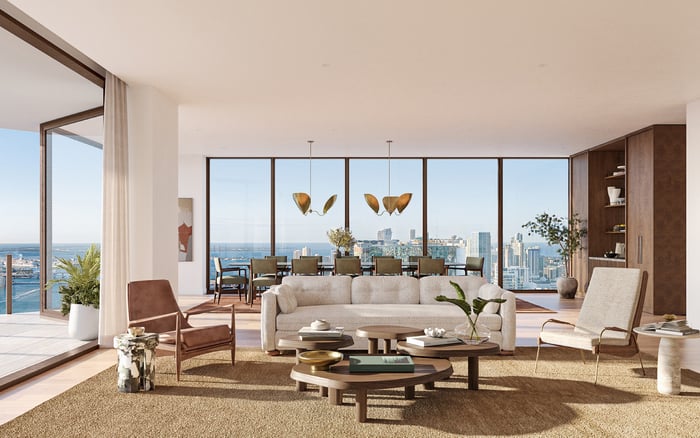
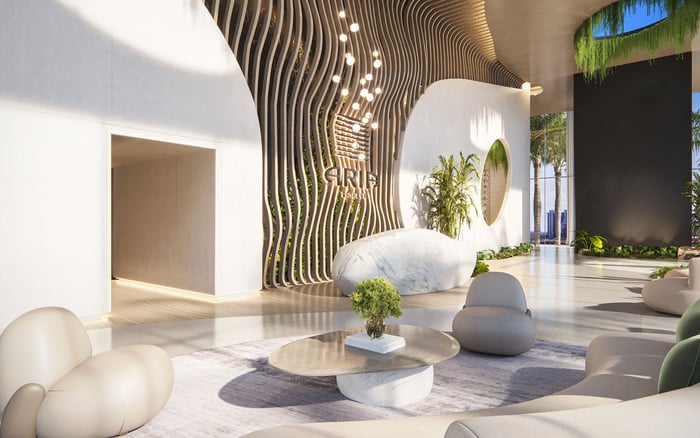
A discreet buyer’s guide to reading Edgewater amenity programs for depth, daily utility, privacy and long-term livability without defaulting to a resort-style environment.
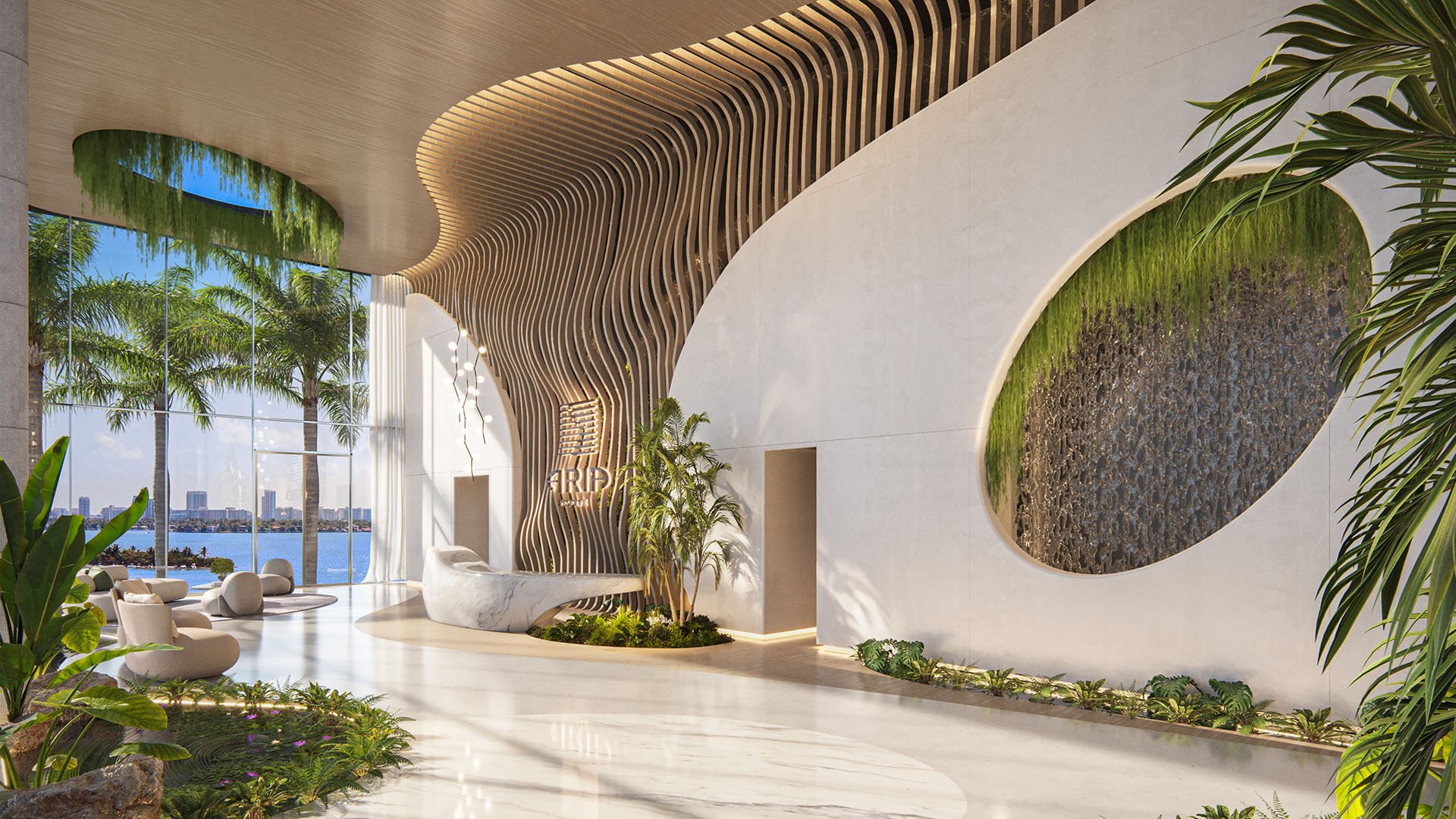
Edgewater has become one of Miami’s most closely watched luxury residential corridors, offering water, skyline proximity and a more residential rhythm than many denser entertainment districts. For buyers, that creates a subtle challenge. The best building is not always the one with the longest amenity roster. It is the one where shared spaces support daily life without making home feel like a hotel lobby.
Amenity depth means more than a pool, gym, spa room and club lounge. It is the extent to which a building’s shared spaces remain useful at different hours, in different seasons and for different household profiles. A well-designed amenity program should expand the private residence, not compete with it. It should offer choice without spectacle, service without intrusion and energy without the constant sensation of being on display.
In Edgewater, where views and architecture already carry much of the emotional weight, buyers should read amenity packages with discipline. Projects such as Aria Reserve Miami, EDITION Edgewater and Villa Miami invite a more nuanced question: does the lifestyle infrastructure feel like a natural extension of private ownership, or like a destination venue inside the building?
Before comparing amenities, define how the residence will be used. A primary resident has different needs than a second-home owner arriving for long weekends. A family that entertains quietly will evaluate lounges differently from a buyer who prioritizes wellness, work-from-home flexibility and discreet arrivals. The right answer begins with routine.
Ask how often each space would realistically be used. A screening room may sound appealing, but if the household rarely hosts movie nights, it is decorative rather than valuable. A compact, well-equipped fitness room used four mornings a week may matter more than a dramatic wellness floor that requires reservations, elevator transfers and timing compromises.
This is where luxury becomes practical. A deep amenity program is not excessive. It is layered. It gives residents options for movement, recovery, work, hosting, children, pets and quiet retreat, while preserving the sense that the private residence remains the primary luxury.
The strongest residential amenities are not merely beautiful. They are intelligently placed. Buyers should study how residents, guests, service providers and staff move through the building. A beautiful lounge loses value if every visitor passes through it. A pool deck feels less private if it sits directly in the path of tour traffic or public-facing activity.
Ask where guests are received, how amenity reservations are accessed and whether certain spaces are visually exposed to elevators or main corridors. In boutique-leaning environments, the difference between calm and theatrical can be architectural. The path from residence to gym, pool or wellness suite should feel intuitive and private, not staged.
At The Cove Residences Edgewater, buyers comparing the broader Cove Miami conversation should apply the same test they would use anywhere in the neighborhood: does the plan create a residential sequence, or does it rely on a hospitality impression? The answer is often felt before it is explained.
Amenity quality is partly design and partly governance. Before purchasing, review the condominium documents, house rules, reservation policies and operating budget. These documents reveal how the lifestyle will function after closing.
Pay attention to guest limits, private event policies, pet rules, children’s access, pool hours, fitness room protocols and any restrictions on external trainers, chefs or wellness providers. A building may appear serene on a private tour, yet operate very differently on weekends if the rules allow frequent guest-heavy events.
For buyers seeking depth without a resort feeling, the question is not whether guests are welcome. It is whether the building has a residential standard for managing them. Luxury owners often want the ability to host with grace, but not to live inside a rotating social club.
Wellness is central to new-construction luxury, but not every wellness program is equally livable. Buyers should distinguish restorative space from performative space. A serene treatment room, stretching area or sauna sequence can be deeply useful if it is easy to access, well maintained and proportionate to the number of residences. If the wellness area feels more like a showcase than a routine, its value may be less durable.
Look for the basics: natural light where possible, acoustic separation, thoughtful locker or changing areas, clean circulation and enough equipment variety to reduce crowding. Ask whether personal routines can be accommodated without friction. If the building offers programming, determine whether it enhances privacy or introduces a schedule that makes the property feel overly managed.
A good wellness amenity should make leaving the residence unnecessary for many daily rituals. It should not make the owner feel that every workout is a public appearance.
Hospitality has become a language of luxury residential development, but buyers should be precise about what they want from it. Service can be invaluable when it is discreet, consistent and resident-focused. It can feel excessive when it turns the lobby, pool deck or dining spaces into venues.
The ideal Edgewater experience may include attentive staff, refined common areas and a sense of polish, while remaining fundamentally private. That balance depends on staffing ratios, building culture, service training, rules and physical layout. A concierge desk can either support calm residential life or become the front counter of a busy social environment.
When touring, observe tone. Are staff members present without hovering? Are residents able to move casually through shared spaces? Does the lobby invite lingering crowds or quiet arrivals? These details matter as much as stone, millwork and view corridors.
Amenities are not free, even when they feel effortless. Maintenance, staffing, utilities, insurance, repairs and replacement reserves all flow into association costs. A buyer should ask whether the amenity program is both desirable and financially rational for the building’s size and ownership profile.
Underused amenities can become expensive symbols. Overused amenities can become sources of conflict. The sweet spot is a program broad enough to serve residents well, but disciplined enough to remain maintainable over time. Depth does not mean duplication. It means each space has a clear purpose.
For Edgewater buyers, this is especially important because the neighborhood attracts varied ownership patterns. Some residences may be used full time, others seasonally. A building that feels perfect in a quiet sales moment should also function gracefully during peak periods.
Social amenities are valuable when they provide elegant alternatives to entertaining inside the residence. Private dining rooms, lounges and terraces can be compelling, especially for owners who want to host without disrupting the private floor. Yet the best social spaces in Edgewater should feel controlled, not club-like.
Study acoustics, furniture spacing, lighting and the relationship between indoor and outdoor areas. Ask how often residents may reserve spaces, whether fees apply and what cleaning or staffing requirements follow. A beautiful private dining room becomes far more useful when its rules are clear and its atmosphere remains residential.
In projects such as Villa Miami, the buyer’s task is to separate the romance of lifestyle imagery from the reality of ownership. The goal is not to reject hospitality influence. It is to ensure that hospitality serves the resident rather than defining the building’s identity.
A sales presentation can make amenities feel cinematic. A buyer should experience them as an owner would. Visit at different times when possible. Notice elevator wait, sound transfer, pool activity, fitness room usage, valet rhythm and the way staff interact with residents.
Bring a practical lens. Where would you take a phone call? Where would a guest wait? Could you use the gym without planning around crowds? Would the pool feel peaceful on a Sunday? Is there a quiet place to sit that does not require ordering, reserving or performing? These questions reveal the difference between depth and display.
The best Edgewater amenity programs are not necessarily minimalist. They are composed. They allow residents to enjoy Miami’s openness while preserving the private cadence that high-end buyers increasingly value.
What does amenity depth mean in an Edgewater condominium? It means the amenities are varied, useful and well operated, rather than simply numerous or visually impressive.
How can buyers avoid a resort feeling? Focus on privacy, rules, circulation, staffing tone and whether social spaces feel resident-led rather than event-driven.
Should I prioritize a large amenity deck? Size matters less than usability, crowd management, maintenance quality and how naturally the space fits daily routines.
Why are condo rules important when evaluating amenities? Rules determine guest access, reservations, event use, pet policies and operating standards after the purchase is complete.
Are branded residences always more hospitality-oriented? Not always. The key is whether service feels discreet and residential, rather than public, theatrical or venue-like.
How should second-home buyers assess amenities? They should focus on low-friction services, easy arrival, reliable maintenance and spaces that work during short stays.
What should families evaluate first? Families should study children’s access, acoustic separation, pool rules, pet policies and the durability of shared areas.
Can too many amenities hurt long-term value? Amenities can become burdensome if they are costly, underused or difficult for the association to maintain at a high level.
Is Edgewater better for quiet luxury than Brickell or Miami Beach? Edgewater can offer a more residential rhythm, but each building must be evaluated on its own design, rules and culture.
What is the best touring strategy? Tour as if you already live there, testing routes, noise, staff presence and whether amenities support your real routine.
For a confidential assessment and a building-by-building shortlist, connect with MILLION.
If branded residences are on your mind — as a home or as an allocation — we would be glad to share what we are seeing, privately.
Begin a quiet conversation