A practical luxury-buyer framework for evaluating how a Wynwood residence performs during heavy weather, from access and building systems to daily comfort, services, and resale confidence.
In Wynwood, the most sophisticated residential question is no longer simply whether a building is beautiful, central, or culturally connected. It is whether the home remains graceful on an inconvenient day. Heavy rain, gusting wind, flooded curbs, delayed deliveries, ride-share congestion, and interrupted routines can reveal more about a residence than a polished sales gallery.
For a luxury buyer, storm-day livability measures how well a property supports ordinary life when the city is under pressure. It is not a fear-based exercise. It is a composed evaluation of access, building systems, unit comfort, staff protocols, vertical circulation, parking, outdoor space, and the immediate neighborhood experience. In a market where design language can be highly persuasive, operational resilience becomes a quieter form of value.
Wynwood adds a distinctive layer to this analysis. Its appeal is urban, creative, walkable, and constantly evolving. That energy is precisely why buyers should examine how the neighborhood functions when walking is less comfortable, streets are wet, and the day requires a more choreographed approach to movement. A residence may be compelling on a clear Saturday; the sharper question is whether it still feels composed during a stormy Tuesday.
Storm-day livability begins before the elevator. Buyers should study the complete arrival sequence from street to residence. Where does a car stop? Is the covered drop-off intuitive? Can a driver, guest, or family member enter without crossing exposed pavement? Does the lobby feel protected, or does wind-driven rain reach the doors during stronger weather?
Parking deserves particular attention. A premium urban residence should make arrival feel orderly even when visibility is poor and traffic patterns shift. Buyers should ask how residents access parking, where guests wait, how valet operations are handled during rain, and whether service vehicles follow a separate rhythm from private arrivals. The goal is not perfection. It is to understand whether the building has a considered operating logic.
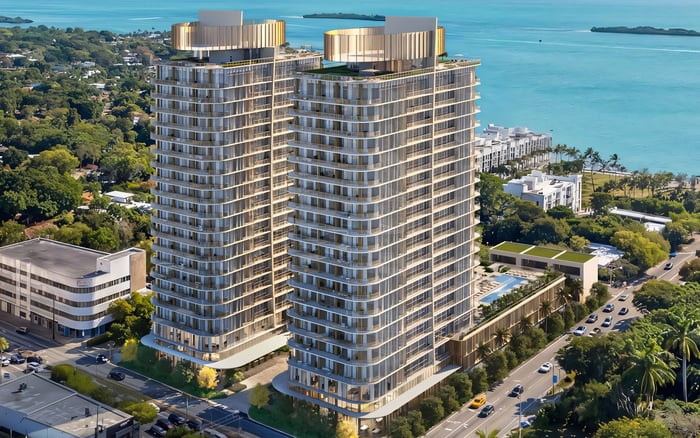
For those considering Frida Kahlo Wynwood Residences, the same principle applies as it would to any Wynwood purchase: look beyond the rendering and walk the path you would actually use with groceries, luggage, children, pets, or guests on a difficult weather day.
High floors can offer drama, light, and distance from street-level commotion. Low floors can provide quicker exits and less dependence on long elevator rides. Neither is universally better. The right choice depends on how the building manages vertical circulation when residents are moving at once, staff are coordinating deliveries, and visitors are arriving wet from the street.
Ask how many elevators serve the residential stack, how service access is separated, and how move-ins, maintenance, and deliveries are scheduled. Consider how you would feel if one elevator were temporarily unavailable. A residence that feels private on a quiet afternoon may feel less effortless if circulation is strained during rain.
Unit position also affects comfort. Exposure, glazing, balcony depth, and terrace design all shape the experience of wind and rain. A generous balcony or terrace is a prized urban amenity, but buyers should ask how usable it feels in real weather, how water drains, and how outdoor furniture is secured or stored. The best outdoor space is not simply photogenic; it is manageable.
A polished amenity deck is less meaningful than a well-run building when weather turns. Buyers should understand backup power provisions, elevator protocols, garage drainage planning, fire and life-safety systems, communication procedures, and staffing expectations. These questions are not dramatic. They are basic stewardship.
A luxury residence should have a clear plan for resident communication. Who sends notices? How quickly are updates shared? Are front-desk, security, and management teams trained for weather events? How are deliveries, guests, vendors, and pets managed when rain complicates the lobby environment?
This is where new construction can be attractive, provided the buyer verifies the operational details rather than assuming them. A new building may present contemporary design and systems, but livability depends on execution, maintenance, and management culture. The same due diligence should apply when comparing Wynwood with nearby urban options such as Miami Design Residences Midtown Miami or Kempinski Residences Miami Design District, where the surrounding arrival patterns and daily service choreography may differ.
Wynwood’s identity is street-level. That is part of its magnetism. Yet storm-day livability asks whether the same neighborhood remains practical when sidewalks are wet, traffic slows, and errands shift from leisurely to necessary. Buyers should visit during or shortly after rain when possible. Observe curb behavior, pedestrian comfort, ride-share pickup points, garage entrances, and the distance to daily essentials.
A beautiful residence can feel less persuasive if every storm turns a simple errand into a production. Conversely, a building with a thoughtful entrance, reliable parking, clear resident communication, and immediate access to services can feel exceptionally composed. The most valuable fieldwork is often mundane: entering with an umbrella, receiving a package, walking a dog, waiting for a car, and returning with bags.
For investment-minded buyers, this matters because future residents and tenants may value operational ease as much as visual identity. A home that performs well on inconvenient days can support long-term desirability, especially in an urban district where lifestyle is measured by convenience as much as aesthetics.
A buyer drawn to Wynwood may also be considering Edgewater, Midtown, the Design District, or Brickell-adjacent addresses. Each area offers a different storm-day equation. Water views may be compelling, but waterfront living adds its own considerations. Dense urban cores may offer more covered arrival options, but traffic and vertical congestion can be part of the trade-off.
Comparisons should be practical rather than theoretical. At Aria Reserve Miami or Villa Miami, a buyer might focus on waterfront exposure, garage access, and elevator planning. In Wynwood, the emphasis may shift toward street approach, service access, neighborhood drainage behavior, and the daily comfort of an urban arrival.
The point is not to rank neighborhoods by weather. It is to understand how each property translates climate into lived experience. A sophisticated buyer does not ask, “Is this building storm-proof?” The better question is, “How does this building help me live well when the day is imperfect?”
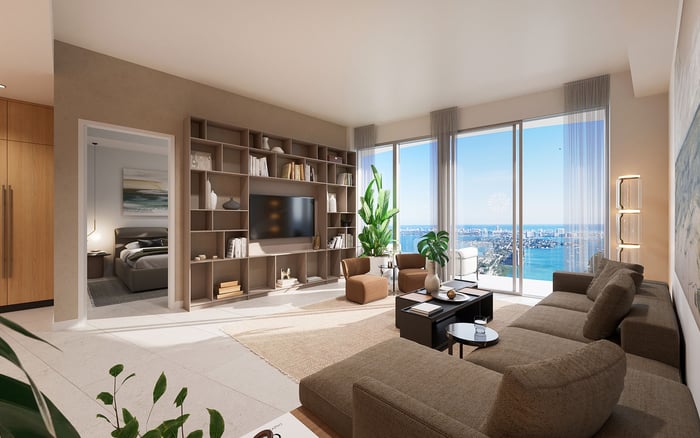
Inside the unit, small details become meaningful. Where would wet shoes, umbrellas, and bags go? Is there a proper entry sequence, or does the front door open directly into a formal living area? Are floors, thresholds, and storage areas practical for a rainy arrival? Does the kitchen support staying in comfortably if dining out becomes less appealing?
Consider acoustic comfort as well. Rain against glass can be atmospheric or intrusive, depending on the residence. Wind noise, corridor sound, and elevator proximity may become more noticeable during weather events. Buyers should spend quiet time in the unit, not just admire the view.
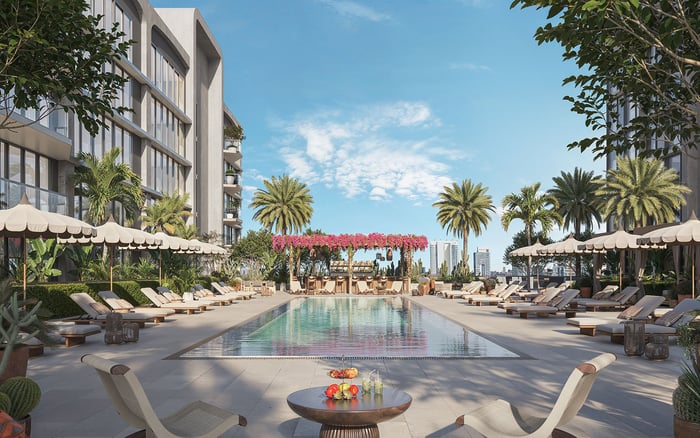
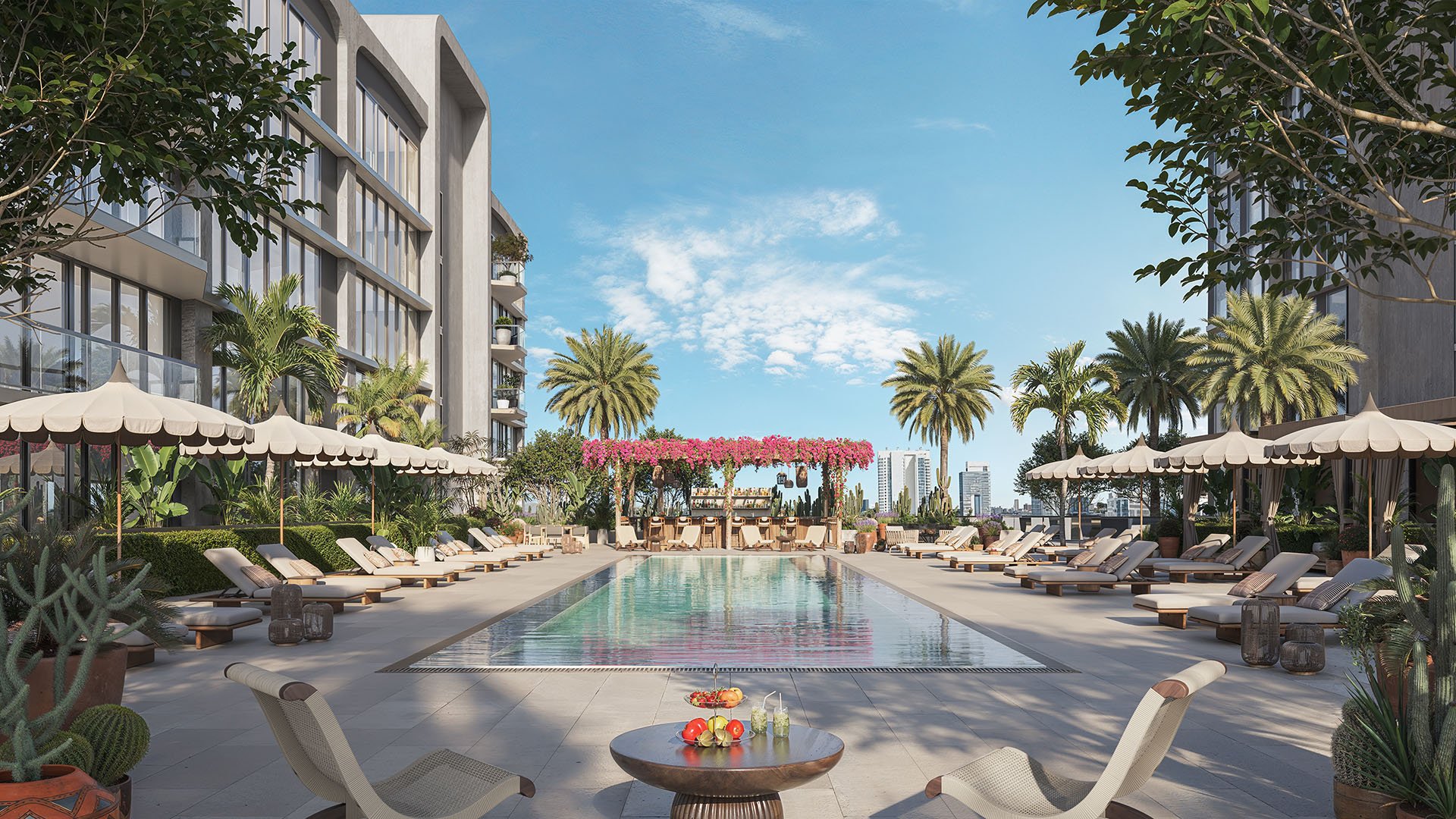
Amenities should be evaluated through the same lens. A pool deck may be central to the lifestyle narrative, but storm-day value may come from indoor wellness, covered gathering spaces, secure package rooms, and staff responsiveness. Luxury is not only the amenity count. It is the continuity of comfort.
Before purchasing in Wynwood, buyers should ask direct, practical questions. How does the building communicate during storms? What areas are covered from car to lobby? How are deliveries handled in heavy rain? What happens if one elevator is out of service? Where do guests wait? How does the garage perform during severe weather? Are outdoor spaces designed for drainage and secure furniture placement?
Buyers should also request a realistic explanation of resident protocols. A confident sales or management team should be able to describe what happens on a difficult day without theatrical reassurance. Vague answers are useful too, because they indicate where more diligence is required.
For the right buyer, Wynwood remains one of Miami’s most compelling lifestyle districts. The strongest purchase, however, is not merely the residence that looks best in sunlight. It is the one that preserves privacy, comfort, and routine when the weather is less cooperative.
What does storm-day livability mean for a Wynwood buyer? It means evaluating how well a residence functions during heavy rain, wind, delays, and disrupted routines, from arrival to daily services.
Should I visit a building during rain before buying? Yes, if possible. A rainy visit can reveal curb access, lobby protection, garage behavior, and the feel of the surrounding streets.
Are high floors better during storms? Not automatically. High floors may offer views, while lower floors can reduce elevator dependence, so the right choice depends on building operations and personal preference.
What should I ask about elevators? Ask how many serve the residence, whether service elevators are separate, and how the building manages deliveries, maintenance, and peak movement.
Do balconies and terraces require special review? Yes. Buyers should ask about drainage, wind exposure, furniture storage, and how usable the outdoor space feels during unsettled weather.
How important is covered arrival? Very important. A protected path from car to lobby can dramatically improve comfort for residents, guests, pets, and deliveries.
Should backup power be part of due diligence? Yes. Buyers should understand what systems are supported, how residents are informed, and what the building’s operating protocol includes.
Does storm-day performance affect resale? It can support buyer confidence. Homes that feel composed and convenient during difficult days often make a stronger lifestyle impression.
Is Wynwood different from waterfront neighborhoods in this analysis? Yes. Wynwood’s questions often center on urban access and street-level comfort, while waterfront areas may add exposure and garage considerations.
What is the most overlooked storm-day detail? The arrival sequence. The experience from curb, garage, or valet to the front door often defines whether a property feels truly livable.
If you'd like a private walkthrough and a curated shortlist, connect with MILLION.
If branded residences are on your mind — as a home or as an allocation — we would be glad to share what we are seeing, privately.
Begin a quiet conversation