A serious Boca Raton branded residence purchase depends less on the logo than on governance, daily livability, service discipline, design restraint, and resale clarity.
A branded residence in Boca Raton should not be evaluated first as a trophy object. It should be evaluated as a long-term home that carries a service, design, or hospitality identity. The distinction is important. A name can create immediate recognition, but it cannot offset weak governance, unclear operating costs, awkward floor plans, or amenities that impress on a tour and lose relevance after the first year.
For a serious buyer, the strongest branded residences are rarely the loudest. They are the ones where the brand translates into daily ease: arrival, privacy, maintenance, wellness, dining, security, concierge depth, and a sense that the building will still feel composed ten years from now. In Boca Raton, where buyers often compare condominium living with estate living, country-club life, and seasonal ownership, the standard is especially high.
This is why Branded Residences require a more disciplined lens than ordinary New-construction. The logo may begin the conversation, but the purchase should be justified by the enduring quality of the real estate.
The useful question is not whether the name is famous. It is whether the brand has a clear reason to exist inside a residential building. Hospitality brands can be compelling when service standards are precise and repeatable. Design brands matter when the interiors have restraint, material depth, and longevity. Wellness brands are persuasive when programming is practical rather than decorative.
A buyer looking at The Residences at Mandarin Oriental Boca Raton, for example, should think beyond recognition. The real question is how the residence performs on an ordinary Tuesday: who greets guests, how maintenance is handled, how privacy is protected, and whether the owner experience feels calm rather than theatrical.
The most durable branded buildings tend to share three traits. First, the brand promise is specific enough to guide staffing and design decisions. Second, the building is not over-amenitized in a way that burdens owners with underused spaces. Third, the residence itself stands on its own, independent of marketing language.
Boca Raton is not a market where flash alone carries the day. Buyers often arrive with established expectations for space, security, parking, service, and discretion. Many are not looking for a hotel room in the sky. They want the convenience of vertical living without surrendering the comfort and privacy associated with a larger home.
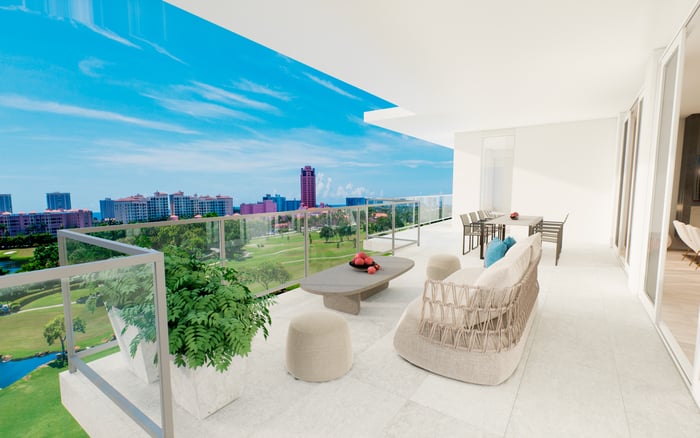
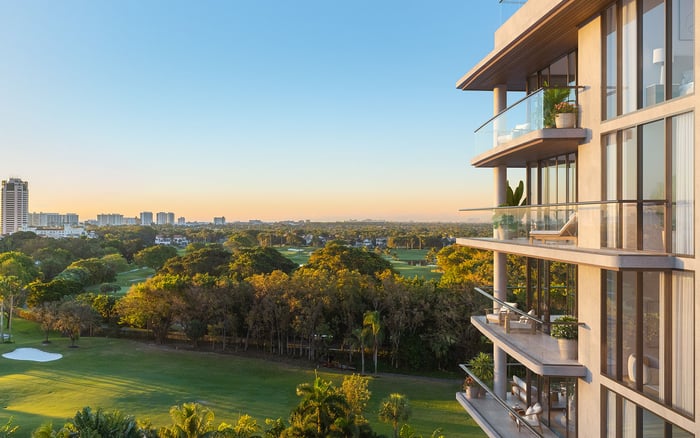
That makes floor plan quality central. A branded residence must offer real bedrooms, logical storage, gracious entertaining space, and quiet separation between public and private zones. Outdoor space should be usable, not merely photogenic. Ceiling heights, elevator experience, acoustic control, and service circulation all influence whether the home feels substantial.
Projects such as Alina Residences Boca Raton are useful reference points because buyers in Boca Raton often compare branded and non-branded luxury options within the same decision set. The lesson is straightforward: branding may add distinction, but it still competes against the fundamentals of architecture, location, and livability.
A long-term purchase is also a governance decision. The association structure, budget discipline, reserve philosophy, insurance exposure, rental rules, service contracts, and brand licensing terms all shape the ownership experience. These details are not glamorous, but they are where luxury either holds or begins to fray.
From an Investment perspective, a branded residence should be tested for recurring cost logic. If the service model is ambitious, owners should understand how it is funded. If the brand requires specific standards, owners should understand how those obligations evolve. If the amenities are expansive, buyers should ask whether they are genuinely useful to the resident profile or simply impressive in a brochure.
A serious buyer should also look for alignment among the developer, brand, operator, and association. When responsibilities are clear, service feels seamless. When they are not, owners can inherit complexity disguised as luxury.
The resale market rewards residences that are easy to understand. A future buyer should be able to grasp why the building matters within minutes: the location logic, the brand relevance, the quality of the unit, and the lifestyle proposition. If the appeal depends entirely on a trend, the premium is more vulnerable.
This is where restraint becomes valuable. Overly themed design can date quickly. Amenity concepts that feel fashionable may require reinvention. By contrast, elegant materials, strong plans, excellent service, and a well-managed building tend to age more gracefully.
A buyer comparing Glass House Boca Raton with branded alternatives may find the exercise useful. The point is not that one category is inherently superior. It is that a branded residence must still compete with the best non-branded residential offerings on the metrics that matter after closing.
Brand premiums are not automatically unreasonable. In the right building, a respected name can provide design discipline, service culture, international recognition, and a more coherent ownership experience. But the premium must be visible in ways that endure.
The best test is substitution. If the brand name were removed from the sales presentation, would the residence still feel compelling? Would the plan still be strong? Would the location still make sense? Would the services still feel worth paying for? Would the building still have a clear identity in the Boca Raton market?
For Buyer's Guides, this is the core filter: do not pay for a logo unless the building would still be desirable without it. The brand should enhance the asset, not rescue it.
A branded residence works as a long-term purchase only if its daily rhythm matches the owner. Some buyers want hotel-level attentiveness. Others value privacy above all else. Some want social spaces and food and beverage access. Others want a quieter, lock-and-leave home with impeccable maintenance.
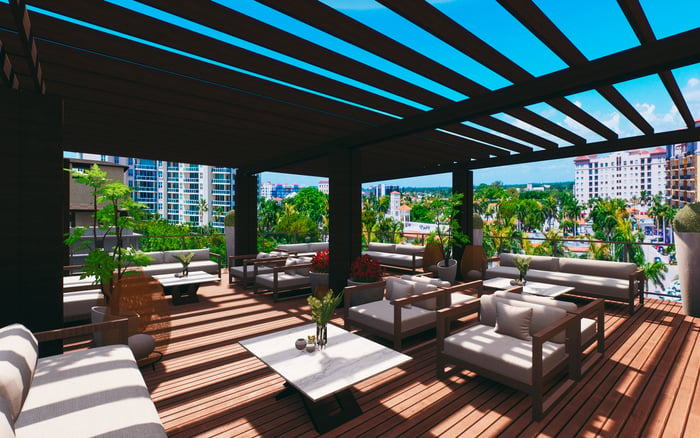
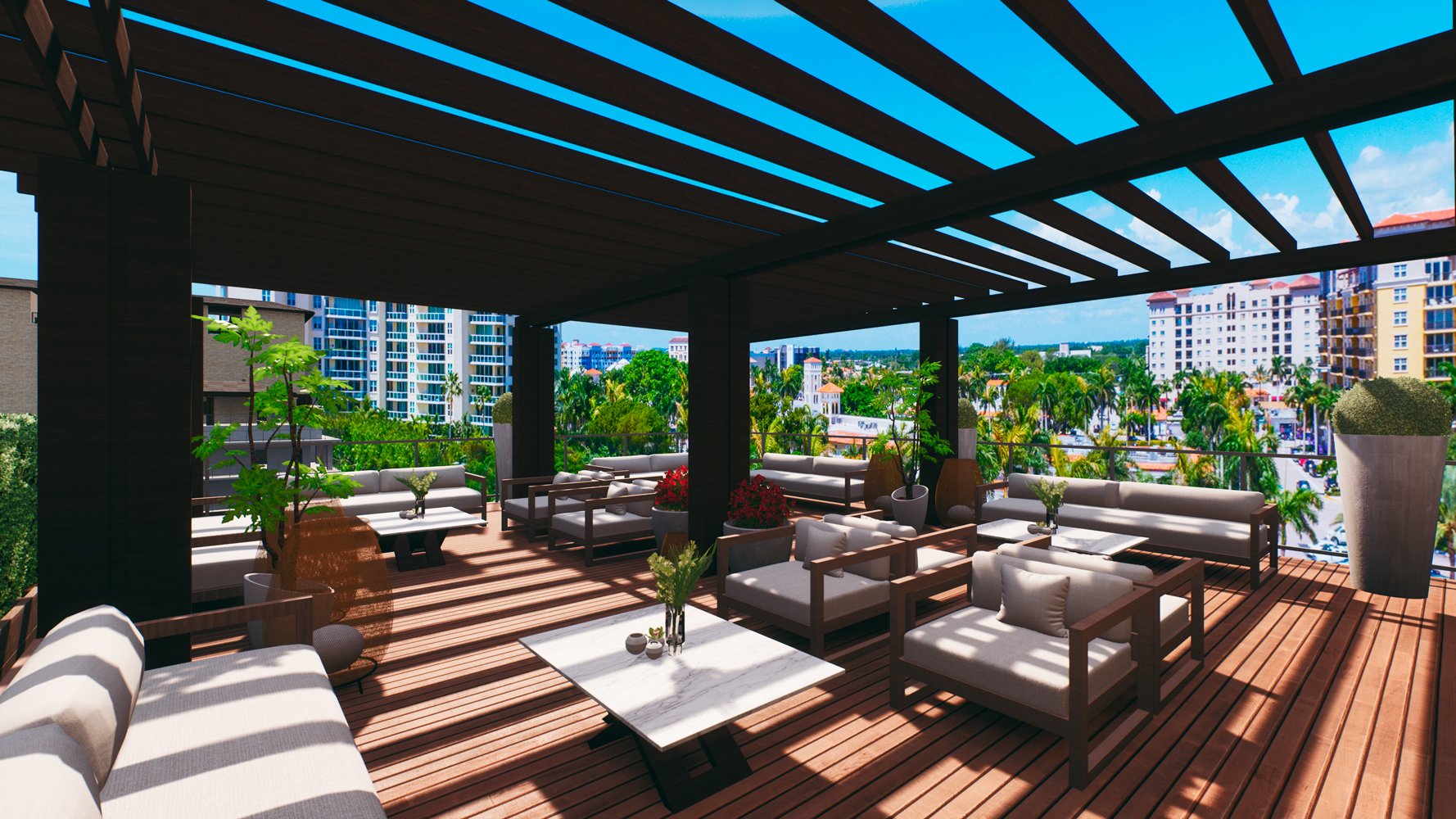
This is why buyers should examine how often they will use the amenities, whether the service culture feels natural, and how the building will accommodate guests, family, pets, staff, and seasonal absences. The right branded residence should reduce friction. It should not require the owner to adapt to a lifestyle that looks better in renderings than it lives in practice.
A project such as Mr. C Residences Boca Raton may appeal to a buyer who values a hospitality-inflected residential experience, while another buyer may prefer a quieter residential identity. The serious decision is personal, but it should be made with the same rigor as any major real estate acquisition.
Before committing, a buyer should ask five practical questions. Does the residence itself justify the price? Does the brand add a service or design advantage that will remain relevant? Are the ownership costs understandable and proportionate? Is the building likely to appeal to a future buyer with similar standards? And does the lifestyle match how the owner actually lives?
If the answer is yes across those categories, a branded residence in Boca Raton can be more than a luxury purchase. It can be a durable home, a disciplined ownership choice, and a refined expression of South Florida living.
Is a branded residence automatically a better long-term purchase? No. The brand can add value, but only when the real estate, governance, service model, and floor plan quality are strong.
What should Boca Raton buyers examine first? Start with livability: layout, privacy, storage, arrival, parking, service flow, and how the residence functions day to day.
Does the brand premium matter? Yes. A premium can be justified when it produces durable service, design discipline, and resale clarity rather than recognition alone.
Are amenities a major factor? They are important, but only if they are useful, well-managed, and proportionate to the ownership costs they create.
How should buyers think about resale? Favor buildings with clear identity, restrained design, strong plans, and an ownership experience that future buyers can understand easily.
Can a non-branded building compete with a branded residence? Absolutely. A non-branded luxury building with stronger fundamentals can be the better purchase in the right circumstances.
What role does governance play? Governance shapes operating quality, budgets, reserves, rules, and long-term building discipline, all of which affect ownership value.
Is Boca Raton different from Miami for branded residences? Often, yes. Boca Raton buyers may place greater emphasis on discretion, livability, space, and a residential rather than resort-like rhythm.
Should seasonal buyers evaluate differently? Seasonal buyers should focus on lock-and-leave ease, maintenance reliability, guest access, security, and service consistency.
What is the simplest test before buying? Ask whether the home would still be compelling if the brand name were removed from the presentation.
For a confidential assessment and a building-by-building shortlist, connect with MILLION.
If branded residences are on your mind — as a home or as an allocation — we would be glad to share what we are seeing, privately.
Begin a quiet conversation