A buyer-focused guide to evaluating biometric access in luxury condominiums, with emphasis on privacy, governance, daily convenience, guest protocols, system resilience, and resale expectations in South Florida’s highest-end buildings.
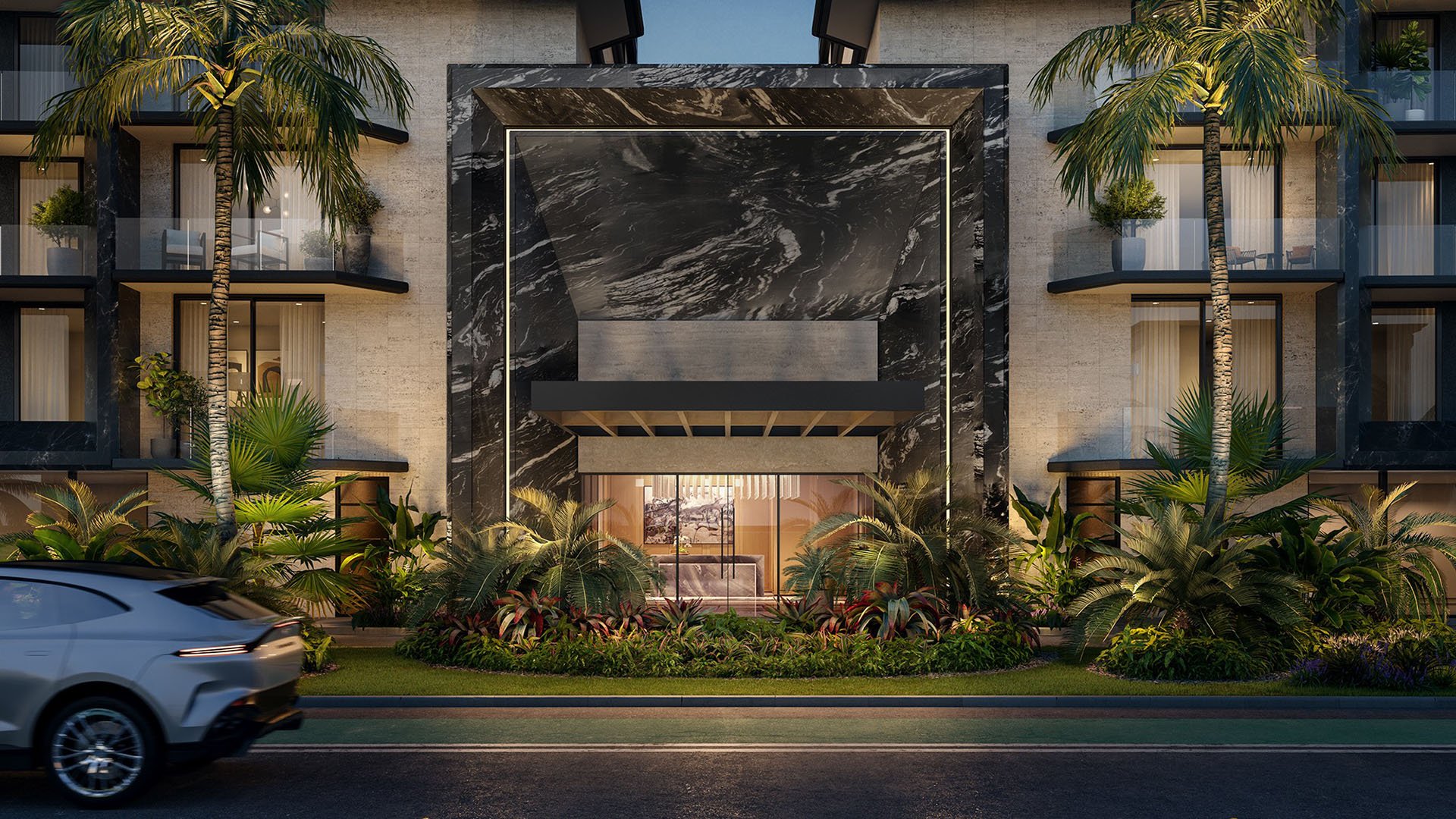
For the ultra-premium condominium buyer, entry has become part of the experience. The first moment at the porte cochère, the private elevator lobby, the wellness floor, or the owners-only amenity level should feel seamless, quiet, and controlled. In 2026, biometric access sits at the center of that promise. It can remove friction, reduce reliance on cards and fobs, and create a more personal sense of arrival.
Yet the most discerning buyers should treat biometric access as more than a sleek security detail. It is a building system, a privacy decision, a governance issue, and, potentially, a resale consideration. A residence may be defined by views, ceiling heights, finishes, and service, but the access architecture determines how owners, families, guests, staff, and vendors move through the property every day.
Whether the search begins in Brickell, Miami Beach, Sunny Isles, Fisher Island, Bay Harbor Islands, Fort Lauderdale, Boca Raton, or Palm Beach, the central question is the same: does the technology protect the owner’s privacy with the same care that it protects the building?
“Biometric access” is not one single thing. Buyers should ask precisely what the system reads, where it is used, and whether it is required or optional. Facial recognition at an entry door carries different considerations than fingerprint access at an elevator, palm recognition in an amenity corridor, or biometric verification in a parking area.
The best question is practical: where, exactly, will I encounter this system on a normal day? The answer should map the full resident journey, including garage arrival, lobby entry, elevator access, package areas, private amenity spaces, storage rooms, beach clubs, marina areas, and back-of-house interfaces. If the system is limited to select locations, buyers should understand what remains controlled by staff, fobs, apps, codes, or physical keys.
Luxury is not simply having the newest technology. It is having technology that feels invisible, intuitive, and respectful. If the experience requires repeated scans, staff intervention, or multiple backup methods, it may not deliver the ease implied in the sales presentation.
The most important biometric question is not aesthetic. It is custodial. Buyers should ask who controls the biometric information, where it is stored, how it is protected, and who may access it. The answer should be clear enough for a non-technical owner to understand and specific enough for counsel to review.
A sophisticated buyer should ask whether the system stores an image, a mathematical template, or another form of identifier. They should also ask whether information remains inside the building’s own access platform or is processed by an outside technology provider. If an outside provider is involved, the owner should understand what contractual protections exist, what happens if that provider changes, and how data is handled if the building later replaces the system.
Deletion is equally important. Ask what happens when an owner sells, a tenant leaves, a household staff member is dismissed, or a temporary guest no longer needs entry. A building may have elegant doors and refined staff, but if its digital offboarding is vague, the security program is incomplete.
In the luxury market, consent matters. Some owners may embrace biometric entry immediately. Others may prefer fobs, mobile credentials, staff-verified access, or traditional keys for certain areas. Families may also have different comfort levels across generations, household staff, visiting parents, children, or long-term guests.
Buyers should ask whether biometric enrollment is mandatory for owners, residents, guests, domestic staff, and vendors. If alternative credentials are available, the next question is whether they offer equal convenience. An optional system that quietly penalizes non-participants through slower access, limited amenities, or repeated manual approvals may feel less optional in practice.
This is particularly relevant for international owners and seasonal residents. A South Florida residence often operates as a second home, an entertaining platform, and a family base. Access should be flexible enough to accommodate real life without compromising the owner’s privacy preferences.
For many buyers, the most revealing part of an access system is not how it treats owners, but how it treats everyone around them. A luxury building must manage private chefs, drivers, trainers, yacht crew, dog walkers, nurses, housekeepers, stylists, contractors, delivery teams, and visiting family. Each category may need different permissions.
Buyers should ask how temporary access is created, approved, monitored, and removed. Can an owner authorize a guest for one evening? Can a house manager manage recurring staff access? Are vendors limited to specific doors, times, elevators, or service corridors? Are logs available to building management, the owner, or both?
The ideal system distinguishes between hospitality and exposure. Guests should not feel processed, yet access should not become casual. In the most private residences, the invisible choreography of arrival is part of the value proposition. Biometric access should support that choreography, not turn every arrival into a visible security event.
In South Florida, resilience is not theoretical. Buyers should ask how biometric access performs when power, internet service, cellular connectivity, or building systems are interrupted. The most refined access plan includes backups that are simple, secure, and well rehearsed.
Important questions include: how do residents enter during a power outage? What happens if a biometric reader fails? Can staff override access, and if so, under what approval process? Is there a physical key path for emergency use? Are stairwells, garages, elevators, and amenity levels handled differently?
Manual overrides should not be improvised during an emergency. They should be documented as part of building operations. A buyer does not need to become a security engineer, but they should insist that the building can explain continuity in plain language.
Biometric access is not a one-time installation. Systems are updated, vendors change, policies evolve, and new features are introduced. Buyers should ask who approves changes to access technology and resident privacy practices. Is it the developer before turnover, the association board after turnover, management, or a third-party operator?
The governing documents, rules, and resident policies should reflect how access is administered. Buyers may also want to know whether future upgrades can expand biometric use to new areas without additional owner consent. Today’s lobby convenience can become tomorrow’s building-wide identity layer if policies are not carefully framed.
This is especially relevant in branded, serviced, and amenity-rich condominium environments, where hospitality operations and residential privacy must coexist. A polished service culture should never obscure the need for disciplined data governance.
Biometric access can enhance the perceived sophistication of a residence when it is designed well. It can also raise concerns for a future buyer if policies are opaque or the system feels intrusive. In 2026, privacy literacy is increasingly part of luxury literacy. Buyers are not only asking what a building offers; they are asking how intelligently it operates.
A seller with clear answers may benefit from that clarity. A building that can explain enrollment, storage, deletion, guest access, and backup procedures projects maturity. Conversely, uncertain answers can make even a high-design system feel unfinished.
For buyers comparing buildings, the strongest position is neither automatic enthusiasm nor automatic skepticism. The right posture is informed selectivity. Biometric access should earn its place through convenience, discretion, security, and governance.
Before contract, buyers should ask for a plain-language explanation of the access system and its policies. The conversation should include legal, operational, and lifestyle dimensions, not just a demonstration of the reader at the door.
Ask what biometric identifiers are used, whether participation is optional, where data is stored, who has access, how deletion works, how guests are handled, what logs exist, how outages are managed, who approves future changes, and whether policies are incorporated into the association’s rules. If the answers are specific, consistent, and documented, the system is more likely to support long-term confidence.
The broader point is simple. In the best buildings, technology should make privacy feel effortless. It should not ask the owner to trade discretion for convenience without understanding the terms.
Should biometric access be a deciding factor when buying a luxury condo? It should be part of due diligence, especially in buildings where it controls primary entry, elevators, or private amenities.
What is the first question buyers should ask? Ask exactly what biometric identifier is collected and where it is used throughout the building.
Is biometric access always more secure than a fob or key card? Not automatically. Security depends on system design, data handling, staff protocols, backup plans, and governance.
Should owners expect biometric access to be optional? Buyers should ask whether it is optional and whether alternative access methods provide comparable convenience.
What should seasonal residents focus on? They should review guest, family, staff, and remote authorization procedures before relying on the system.
How should household staff access be handled? Staff permissions should be specific, time-limited when appropriate, and easy to revoke when access is no longer needed.
What happens if the system fails? The building should have documented backup procedures for power loss, equipment failure, emergencies, and manual overrides.
Can biometric policies change after purchase? They can evolve, so buyers should understand who approves changes and how owners are notified or asked for consent.
Should buyers ask counsel to review biometric policies? Yes, especially when access is mandatory or when outside technology providers are involved in data handling.
Does biometric access affect resale? It can support resale when policies are clear and discreet, but uncertainty around privacy or operations may concern future buyers.
For a discreet conversation and a curated building-by-building shortlist, connect with MILLION.
If branded residences are on your mind — as a home or as an allocation — we would be glad to share what we are seeing, privately.
Begin a quiet conversation