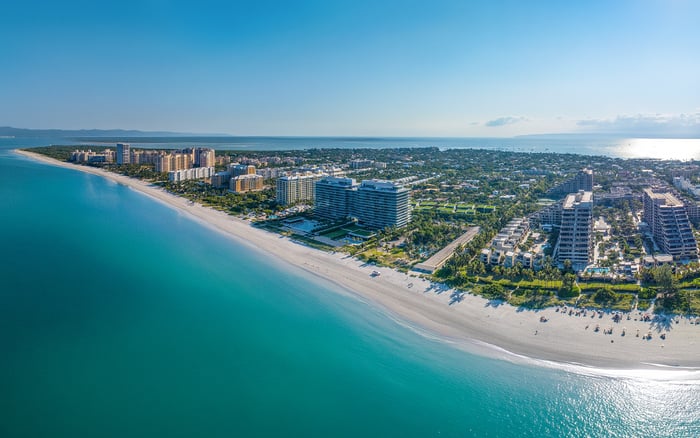
For a Key Biscayne primary residence purchased through a trust or entity, boating suitability requires its own closing file. Written slip rights, complete marina charges, vessel-specific navigation checks, and workable crew policies should support the lifestyle before the purchase proceeds.
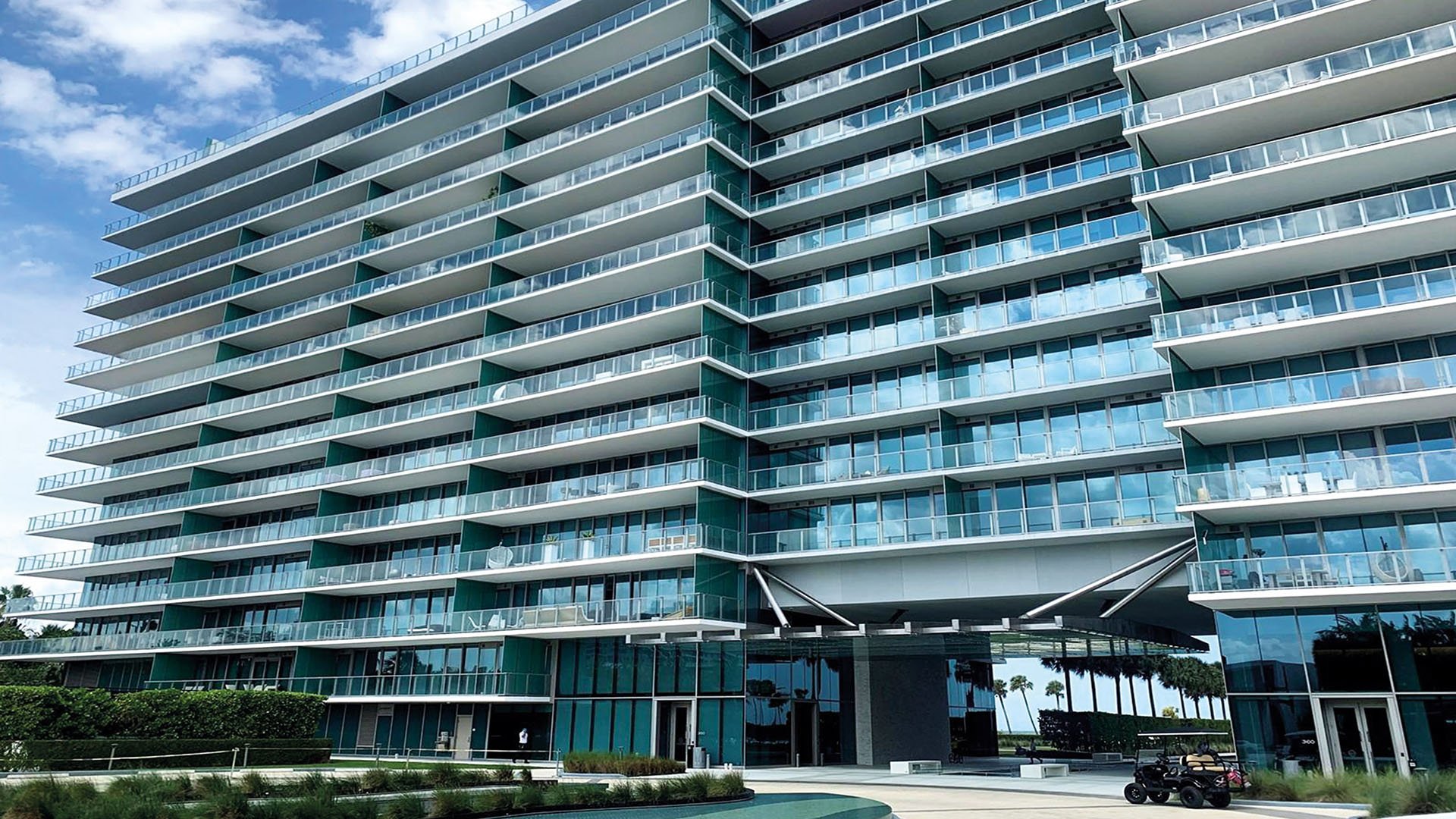
A Key Biscayne primary residence should make time on the water feel effortless. For a buyer taking title through a trust or entity, however, the residence, dockage agreement, and vessel must align legally and operationally. A beautiful waterfront setting does not establish that the intended owner can secure a suitable berth or that the captain can use it as planned.
Treat marine diligence as a separate review from the home inspection. The essential question is not simply whether a property offers ocean access, but whether documented rights, navigable access, and operating permissions support your particular vessel.
For buyers considering Oceana Key Biscayne alongside private-dock homes, keep the residential decision separate from the boating solution. A residence’s appeal should never substitute for written confirmation of where, and on what terms, the boat will live.
Ask counsel to review the condominium or HOA documents, marina rules, and dock agreement together. First, establish whether the advertised slip is deeded, licensed, or leased. Then determine whether those rights are transferable to, and usable by, the intended purchasing structure.
Request written confirmation that the proposed trust or LLC can enter the marina agreement and whether a personal guarantee is required. Identify the intended contracting party rather than asking generally whether entities are accepted.
At 7 Harbor Point, the described features-ocean access, no fixed bridges, and a deeded boat dock-require verification. Those descriptions do not independently confirm that the purchaser will receive transferable rights. The documents must establish what actually accompanies the home.
Primary-residence tax treatment is a separate question for legal and tax advisers. A marina’s acceptance of an ownership structure does not answer it.
Obtain the current slip-rate schedule, membership dues, and ancillary charges for utilities, parking, and haul-out services wherever applicable. Request the complete schedule, not a single monthly estimate. Until the relevant operator provides current terms, do not treat dockage as a fixed, known component of the household budget.
Pair that financial file with a dimensioned slip map, current assignment information, waitlist status, and priority rules. Request restrictions on transferring or leasing the rights. Distinguish a presently assigned berth from eligibility to seek one later.
The same separation is useful if the search extends to Vita at Grove Isle: compare the residence on its merits, then independently establish any dockage arrangement on which the purchase would depend. A residential shortlist is not a slip-availability record.
Request written limits for length overall, beam, draft, and permitted vessel types. A general assurance that a marina accommodates yachts leaves too much unanswered. Give the operator the intended vessel’s dimensions and request confirmation that it meets the proposed berth’s limits and applicable rules.
Physical fit extends beyond the slip. At 760 Harbor Drive, the described features include a canal width of at least 121 feet, no fixed bridges, and a private dock. That stated width is no substitute for a captain’s assessment of usable turning and maneuvering space.
Have the captain evaluate the berth, fairway, and approach together. Include dock condition in the separate marine review. The objective is a berth that works for arrival, departure, and routine vessel operations-not merely one whose stated dimensions appear sufficient on paper.
Draft measures how far the vessel extends below the waterline. Air draft measures its height above the waterline to its highest fixed point. They answer different questions and require separate checks.
Ask the captain to plot the proposed route from the specific address to Government Cut or Bear Cut, identifying relevant bridges, shallow sections, and expected transit time. Rickenbacker Causeway clearance matters only when the chosen route passes beneath the relevant span. Do not treat a single clearance figure as an island-wide assurance of access.
The captain should compare measured air draft with current charted clearances and review current navigation notices for temporary restrictions. Likewise, test a no-fixed-bridges description against the actual itinerary rather than extending it to every destination. The deliverable should be a documented route assessment for the vessel you intend to operate.
A sufficiently deep berth does not resolve a shallower fairway or an approach affected by shoaling. Request depth information at the dock, through the maneuvering area, and along the connection to the marked channel. Review those sections as one continuous passage.
When the vessel approaches the dock or channel’s depth limit, obtain a recent bathymetric survey or commission independent soundings. Deep-water marketing is not a measurement. Have the captain assess the findings alongside maneuvering constraints before treating the property as suitable.
If the residence cannot accommodate the vessel, investigate Rickenbacker Marina on Virginia Key or Crandon Marina on Key Biscayne. Neither should be treated as a secured alternative without current availability, vessel acceptance, and contract terms. Apply the same discipline when comparing a separate-marina lifestyle with Una Residences Brickell or another residential option.
For an owner relying on a captain and deckhands, dockage is only as useful as the access rules supporting it. Request written policies for nonresident crew, security credentials, parking, and storage of equipment and supplies. Review them against the crew’s intended routine, not just occasional guest access.
Ask separately whether crew may sleep aboard, what overnight limits apply, and whether the vessel must operate without resident crew. Permission for an overnight stay is not liveaboard authorization.
Obtain restrictions covering towers and masts, generator hours, noise, chartering, and other commercial uses. These are property-specific questions, not uniform island rules. Resolve any mismatch between the planned boating program and the written permissions before closing, while there is still an opportunity to reconsider the arrangement.
Request current marina or HOA insurance requirements, including required certificates and additional-insured provisions. Where different entities own the residence and vessel, ask the insurance adviser to confirm that the proposed documentation matches the contractual requirements and ownership structure.
Before closing, assemble counsel’s review of slip rights and eligibility; current fees and assignment records; the captain’s vessel-fit, depth, and bridge analysis; dock-condition findings; and written crew and operating rules. Ask the relevant advisers to resolve outstanding questions rather than accepting a reassuring property description as an answer.
The goal is straightforward: a primary residence whose boating arrangements are as considered as its interiors, with obligations and limitations understood before they become part of daily life.
For a discreet residential search shaped around your boating priorities, connect with MILLION.
If branded residences are on your mind — as a home or as an allocation — we would be glad to share what we are seeing, privately.
Begin a quiet conversationRequest written confirmation from the relevant operator for the intended ownership structure. Confirm the contracting party and whether a personal guarantee is required.
Counsel should review the governing documents and dock agreement to determine whether the rights are deeded, licensed, or leased. Listing language alone does not establish transferability.
Obtain current slip rates, membership dues, and applicable charges for utilities, parking, and haul-out services. Use the complete schedule rather than a single estimated monthly amount.
Request a dimensioned slip map, current assignment information, waitlist status, and priority rules. Establish whether there is an assigned berth or only eligibility to seek one.
Draft is the vessel’s depth below the waterline. Air draft is its height above the waterline to its highest fixed point.
No. The relevant span matters only if the intended route passes beneath it, and the captain should verify current clearance against the vessel’s measured air draft.
Obtain a recent bathymetric survey or commission independent soundings when the vessel approaches the dock or channel’s depth limit. Check the berth, fairway, and route to the marked channel together.
Rickenbacker Marina on Virginia Key and Crandon Marina on Key Biscayne are options to investigate. Confirm current availability, vessel acceptance, and agreement terms before relying on either.
Do not assume it does. Request separate written answers on overnight limits, liveaboard permission, and whether the vessel must operate without resident crew.
Obtain the marina or HOA’s current insurance requirements, including certificates and additional-insured provisions. Have the insurance adviser check that the documentation matches the ownership structure and contractual requirements.