A planning guide for Monaco-based buyers considering Key Biscayne, focused on the legal, tax, ownership, timing, and recordkeeping questions to review with qualified advisers before closing.

A Monaco-based buyer considering Key Biscayne in 2026 should not treat the purchase contract, closing, and domicile plan as interchangeable. Before signing, ask qualified advisers what must occur for the intended transition and which records, dates, and personal ties they will evaluate.
Create a written timeline covering the proposed closing, occupancy, travel, address changes, and the future use of every retained home. The objective is to give legal, tax, estate-planning, and property advisers one consistent set of circumstances to review rather than a series of disconnected assumptions.
Ask Monaco counsel to explain how the proposed move could affect the buyer’s residence and tax position. The review should address the intended departure timing, continued access to any Monaco home, family and business connections, and any documents or notifications that may require attention.
Do not rely on informal labels or assumptions about day counts. Request written, situation-specific guidance identifying the tests that apply, the period under review, and the evidence the relevant authorities may consider.
Ask Florida counsel what actions would support the buyer’s intended domicile position and when those actions should occur. Review identification, mailing records, banking, insurance, tax documents, estate-planning materials, and other records with the appropriate advisers so that conflicting information can be addressed.
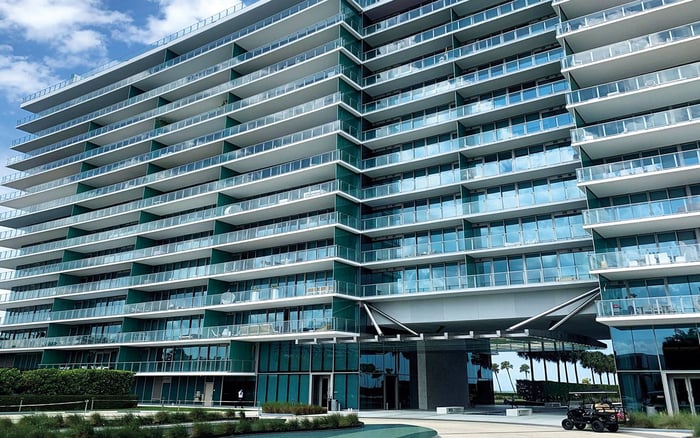
The residence itself should also suit the buyer’s real pattern of use. Oceana Key Biscayne keeps the search focused on the island, while Vita at Grove Isle provides a nearby Miami-Dade comparison. Una Residences Brickell may suit buyers comparing island living with an urban setting, and The Residences at Six Fisher Island offers another private-island option within Miami-Dade.
These comparisons should help clarify priorities such as privacy, access, residence type, and day-to-day practicality. They should not be used as substitutes for legal or tax analysis.
Before selecting a titleholder, ask U.S. and non-U.S. advisers to compare personal, trust, and entity ownership for the buyer’s circumstances. The discussion should include estate planning, succession, reporting, financing, liability, and any effect the proposed structure could have on benefits the buyer hopes to pursue.
Ask the relevant Miami-Dade and Florida advisers to confirm the ownership, occupancy, eligibility, and filing requirements for any homestead-related application. Dates and procedures should be verified for the specific property and closing schedule rather than assumed.
Request a property-specific estimate of recurring costs before the due-diligence period ends. Depending on the residence, the review may need to cover property taxes, insurance, association charges, reserves, maintenance, staffing, utilities, and waterfront-related upkeep.
Compare those costs across the shortlisted Key Biscayne and Miami-Dade properties using the same assumptions. A residence that supports the buyer’s practical needs and intended use may provide a more coherent basis for the move than one selected primarily for a perceived tax outcome.
The pre-closing checklist should identify who is responsible for Monaco advice, Florida advice, federal and international tax review, title, estate planning, insurance, financing, and property due diligence. Each adviser should receive the same proposed timeline and the same description of retained homes, family ties, business interests, and travel plans.
Before closing, request written answers to unresolved questions and record any actions that must occur afterward. This creates a practical roadmap without assuming that the deed alone determines the buyer’s broader legal or tax position.
Does a Key Biscayne purchase by itself settle domicile? Ask qualified Florida and cross-border counsel to assess the full circumstances rather than relying only on the deed.
Should Monaco residence and tax questions be reviewed separately? Yes. Ask Monaco advisers to identify each applicable status, test, document, and consequence for the proposed move.
When should the departure timeline be prepared? Prepare it before signing so advisers can review the proposed closing, occupancy, travel, and address-change dates together.
Can a Monaco home be retained after the move? Ask counsel how continued ownership, availability, and use of that home would affect the buyer’s specific position.
Which Florida records should be reviewed? Ask advisers to examine the records relevant to the buyer, which may include identification, mailing, banking, insurance, tax, and estate-planning documents.
When should the ownership structure be selected? Review the alternatives before contracting or closing, allowing the legal, tax, financing, and estate-planning teams to coordinate.
Should homestead eligibility be assumed? No. Confirm the current requirements, deadlines, ownership structure, and occupancy facts with the appropriate advisers.
What costs belong in the ownership budget? Obtain property-specific estimates for taxes, insurance, association obligations, maintenance, utilities, and any waterfront-related needs that apply.
Why compare Key Biscayne with nearby Miami-Dade projects? A consistent comparison can clarify whether island living, an urban location, privacy, or access best fits the buyer’s intended routine.
Who should coordinate the cross-border review? Designate a lead adviser or family-office representative to maintain the timeline, circulate consistent information, and track open questions.
For a discreet conversation and a curated building-by-building shortlist, connect with MILLION.
If branded residences are on your mind — as a home or as an allocation — we would be glad to share what we are seeing, privately.
Begin a quiet conversation