A discreet guide for Miami cash buyers evaluating preconstruction condominium deposits, escrow treatment, rescission windows, disclosure milestones, and contract terms before wiring funds.
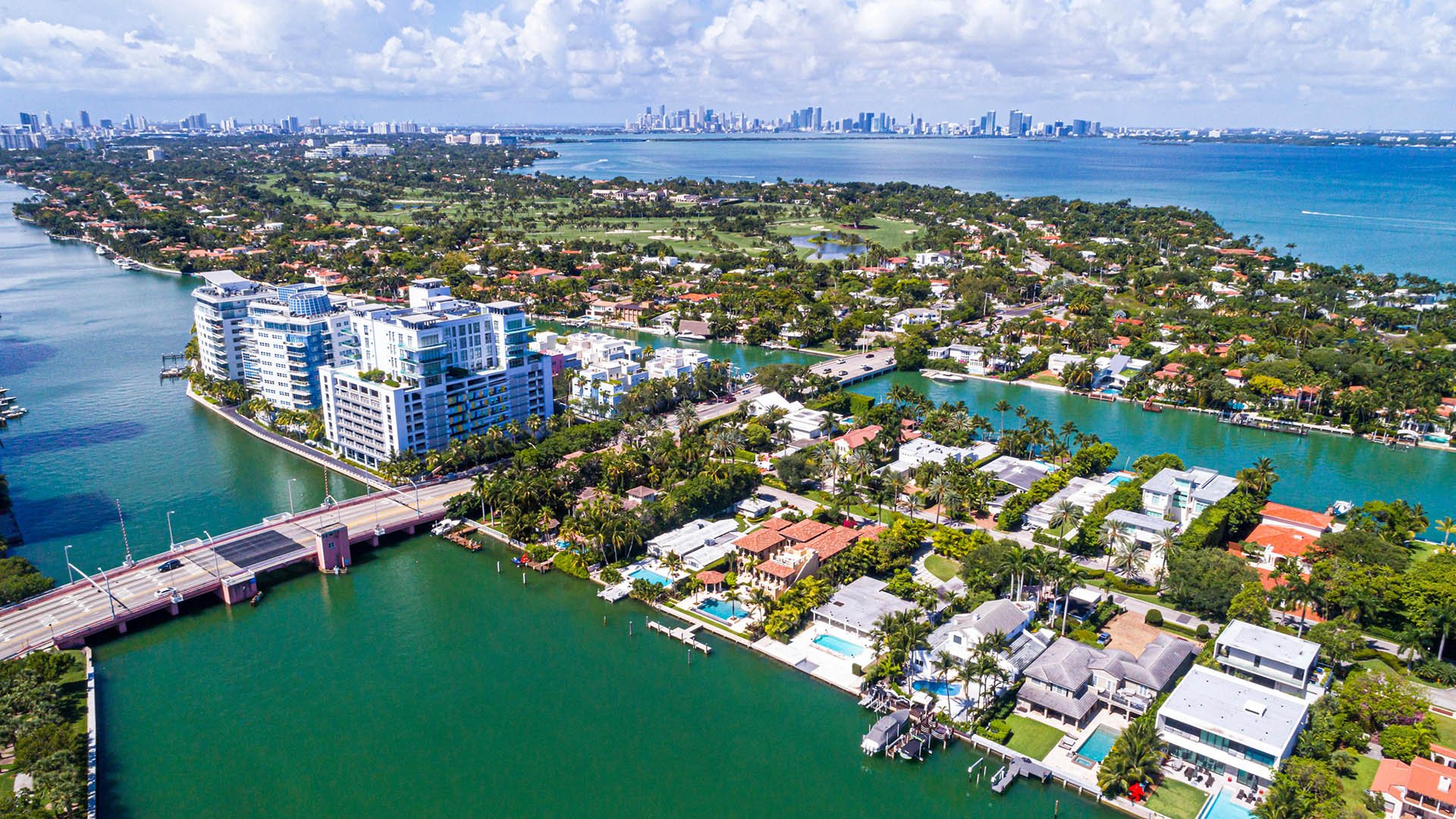
In Miami, cash can be a powerful negotiating posture, but it is not a substitute for discipline. A buyer who does not need a lender still needs to understand when deposits are due, where they are held, when they may be released, and which contract milestones preserve leverage before closing.
This is especially true in the preconstruction condominium market, where a buyer may commit capital well before the residence is substantially complete. For MILLION Buyer's Guides readers, the question is not simply whether the project is desirable. It is whether the payment structure, disclosure package, and cancellation framework align with the buyer's tolerance for timing, construction, and contract risk.
A cash buyer comparing waterfront scarcity in Miami Beach with vertical luxury in Brickell may feel removed from traditional financing contingencies. Still, the core legal architecture around deposits applies because the protections are tied to developer sales before completion, not to whether the buyer uses a mortgage.
Florida's condominium deposit rules make the first 10 percent of the purchase price the most protected tranche in an unfinished developer sale. Payments up to that amount must be placed into escrow when received before closing, and that first layer is not treated like ordinary operating money for the developer.
The practical takeaway is simple: do not evaluate the total deposit as one undifferentiated number. A buyer making a substantial all-cash commitment should ask how each installment is categorized, which escrow agent holds it, and what the contract says about release. The first 10 percent has a different posture than later payments, and that distinction should be clear in the contract, not merely discussed in conversation.
For buyers considering a skyline residence such as The Residences at 1428 Brickell or St. Regis® Residences Brickell, the sophistication of the brand or location does not eliminate the need to track escrow mechanics line by line.
Payments above the first 10 percent are also subject to special handling rules in Florida developer sales before completion. Those funds may be used for actual construction and development only if the purchase contract authorizes that use and statutory conditions are satisfied. They are not supposed to become general-purpose developer money.
This is where cash buyers often need the most precision. A larger deposit may be commercially normal for a luxury preconstruction purchase, but the buyer should know whether later installments remain in escrow, may be released for construction, or are subject to a narrower permitted-use framework. The answer affects both liquidity and remedies if something goes wrong.
The contract should be reviewed for the deposit schedule, escrow agreement, permitted uses of released funds, buyer default provisions, liquidated damages language, and any clause describing what happens if the developer fails to comply with deposit requirements. If a developer does not comply with Florida's condominium deposit statute, a buyer may have a statutory basis to void the contract and recover deposits.
The disclosure package is not decoration around the sales contract. Florida law prescribes required contents for a condominium prospectus or offering circular, making document delivery a central due-diligence event. Buyers should confirm not only that the documents were delivered, but when delivery occurred and whether the receipt is documented.
A developer's residential condominium sale contract is voidable by the buyer within 15 days after contract execution and receipt of required condominium documents, whichever occurs later. The cancellation window is therefore tied to both signing and delivery, not simply to the moment the buyer signs. Required cancellation-right language must appear in the contract, and an attempted waiver of that right is void.
This timing matters when a buyer is weighing a refined coastal project such as The Perigon Miami Beach. The design narrative may be compelling, but the buyer's control point is the document milestone. If a later amendment materially alters or modifies the offering in a way adverse to the buyer, a new 15-day cancellation window can arise after receipt.
A polished sales gallery can compress time. A disciplined buyer expands it back out. Before wiring a major deposit, calendar the execution date, document receipt date, rescission deadline, future deposit deadlines, estimated completion framework, outside closing date, and any notice periods tied to default or amendments.
Attorney review should focus on assignment rights, delay remedies, force majeure language, design-change discretion, closing obligations, buyer default, developer default, and liquidated damages. In a market where buyers may purchase for lifestyle, wealth preservation, or investment purposes, contract optionality can be as meaningful as view orientation.
For a Sunny Isles Beach buyer looking at branded vertical living, including Bentley Residences Sunny Isles, the question is not whether the building is visually persuasive. The question is what happens if timelines move, plans change, or the buyer wants flexibility before closing.
Some preconstruction transactions may also implicate federal land-sales rules. For non-exempt projects covered by the Interstate Land Sales Full Disclosure Act, a required property report must be furnished before the buyer signs the contract or agreement. If that report is required and not provided before signing, a buyer may have a federal revocation right for up to two years.
Covered developers also may not rely on materially false statements or omissions in selling covered interests. That can matter when buyers are relying on renderings, amenity descriptions, timelines, and other project representations.
Separately, all-cash residential purchases through legal entities or trusts may face federal residential real estate transfer reporting obligations. That reporting framework is separate from deposit obligations, but it belongs in the same pre-closing conversation for privacy-minded buyers and family offices.
Does paying cash remove Florida preconstruction deposit protections? No. The relevant protections apply to buyer payments before closing on unfinished condominium projects, regardless of whether the buyer uses financing.
Why is the first 10 percent of the purchase price important? It is the most protected deposit tranche because payments up to 10 percent must be placed into escrow and remain there until closing or another legally permitted disposition.
Can a developer use deposits above 10 percent? Potentially, but only for actual construction and development if the contract authorizes it and statutory conditions are met.
Are released construction deposits unrestricted developer funds? No. Florida's framework restricts permitted uses and does not treat those releases as general-purpose money.
When does the 15-day cancellation period begin? It runs from contract execution and receipt of required condominium documents, whichever occurs later.
Can a buyer waive the statutory cancellation right? No. A buyer's attempted waiver of that cancellation right is void.
Can a later project amendment create a new cancellation window? Yes. If an amendment materially alters the offering in a manner adverse to the buyer, a new 15-day window may arise after receipt.
What contract clauses deserve special review? Assignment rights, outside closing dates, delay remedies, force majeure, design-change discretion, default clauses, and liquidated damages all deserve close review.
Do federal land-sales rules always apply? Not always. They matter for non-exempt covered projects, where property-report delivery and revocation rights may become significant.
What is the best way to shortlist comparable options for touring? Start with location fit, delivery status, and daily lifestyle priorities, then compare stacks and elevations to validate views and privacy.
For a confidential assessment and a building-by-building shortlist, connect with MILLION.
If branded residences are on your mind — as a home or as an allocation — we would be glad to share what we are seeing, privately.
Begin a quiet conversation