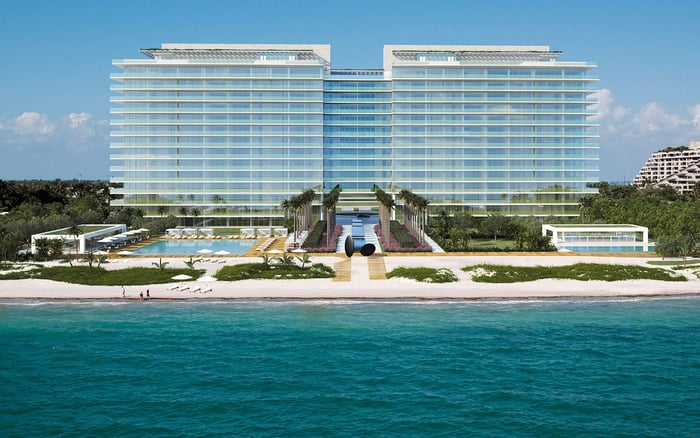
Seasonal ownership in Key Biscayne rewards buyers who look beyond resort-style amenities and study waterfront exposure, building operations, storm protocols, access, storage, and year-round stewardship before they fall in love with the view.
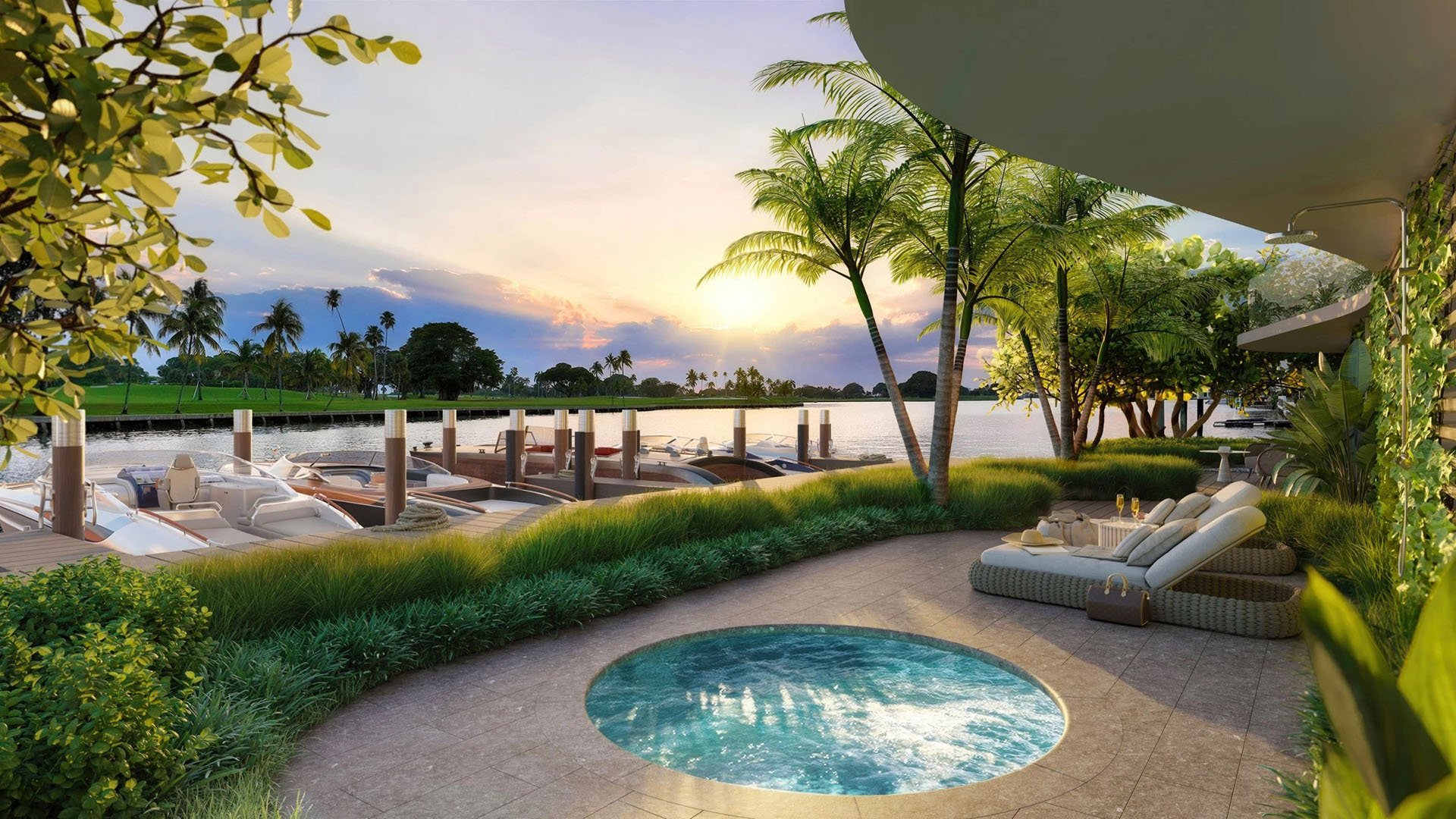
For a full-time resident, a waterfront home is experienced through daily rhythm: morning light on the terrace, deliveries at the lobby, the familiar sequence of elevators, valet, pets, guests, and maintenance. For a seasonal owner in Key Biscayne, that same home is often managed from a distance. That difference changes the buying conversation.
The amenity brochure still matters. Pools, fitness rooms, spa areas, private dining, and beach services all shape the mood of ownership. Yet the more consequential questions are quieter. Who checks the residence when the owner is away? How does the building communicate before severe weather? What can be secured quickly? What must be removed from terraces? Which vendors are already approved? How disciplined is the building about access, insurance documentation, and post-storm reentry?
In this corner of the ultra-premium market, waterfront living is not only about the beauty of the horizon. It is about the systems that protect that beauty when the owner is not present. That is why seasonal buyers considering Oceana Key Biscayne should treat ownership protocols with the same seriousness as finishes, views, and private outdoor space.
The first layer is exposure. A residence with a commanding water view may carry a different ownership profile than one set farther back, even within the same general market. Buyers should understand how terraces are used, how outdoor furnishings are secured, whether storm shutters or impact-rated glazing are part of the residence, and how building staff expect owners to prepare before leaving for the season.
The second layer is access. Seasonal owners often arrive after long travel days, sometimes with family, staff, luggage, groceries, and recreational equipment. A smooth arrival is not merely a service flourish. It is part of the property’s practical luxury. Parking procedures, guest authorization, package handling, vendor check-in, and elevator scheduling become more important when the residence functions as a second home rather than a daily base.
The third layer is waterfront utility. Some buyers are drawn to boating culture, others to beach proximity, and others to the feeling of open water without necessarily using the water every week. If a buyer needs a boat slip or regular marina access, that requirement should be treated as an early filter, not a late-stage preference. A beautiful living room cannot compensate for a mismatch in how the owner actually uses the coastline.
In South Florida, storm preparation is often discussed in practical terms, but for luxury buyers it is also a service standard. The strongest buildings make preparation feel orderly rather than improvised. They communicate clearly, document procedures, and understand the needs of owners who may be away from Key Biscayne when weather becomes a concern.
A seasonal owner should ask what happens before, during, and after an event. Before an event, the questions are about notices, terrace requirements, vendor access, and staff availability. During an event, the questions are about building operations and communication. After an event, the questions are about inspections, reentry, elevator status, garage access, and the process for confirming whether a residence needs attention.
This is where discretion becomes value. A well-run building does not need to dramatize its competence. It simply reduces uncertainty. The buyer should listen for specifics: who communicates, how quickly, through what channel, and with what expectations of the owner. In many cases, the practical comfort of ownership is shaped less by the marble in the lobby than by the clarity of the building’s operating culture.
The most sophisticated buyers study the building as an institution. They ask about board culture, management continuity, reserve discipline, staffing, rules for vendors, insurance expectations, and the process for approving work inside residences. These topics are not glamorous, but they determine whether an owner feels supported or exposed.
For oceanfront property, the due diligence should also include maintenance habits. Salt air, sun, wind, and humidity are part of the setting. They are also part of ownership. A residence may look perfect at a showing and still require a thoughtful plan for air-conditioning, humidity control, terrace care, upholstery, art placement, and routine inspections when vacant.
This is not a reason to avoid waterfront ownership. It is a reason to buy intelligently. The best version of Key Biscayne ownership is serene because the operational details have been addressed in advance. That distinction often separates a beautiful purchase from a beautifully managed life.
Key Biscayne appeals to buyers who want a softer residential atmosphere and a strong relationship to water. Still, many seasonal owners compare it with other waterfront enclaves before committing. A buyer considering The Ritz-Carlton Residences® Miami Beach may be weighing a different style of service environment, while The Residences at Six Fisher Island may enter the conversation for those focused on privacy and island living.
The comparison should not be reduced to which address feels more prestigious. It should be tied to how the owner intends to live. Will the residence be used for long winter stays or short holiday visits? Will children, staff, or extended family use it independently? Is boating central or occasional? Does the owner prefer a resort-style building, a quieter residential rhythm, or a location closer to Miami dining and cultural commitments?
For buyers who want waterfront character with proximity to mainland routines, Vita at Grove Isle may belong in the broader comparison set. For buyers who want a more urban waterfront posture, Una Residences Brickell can help frame the tradeoff between city energy and retreat-like calm. Key Biscayne’s strength is not that it replaces these choices. Its strength is that it offers a distinct seasonal ownership proposition for those who value privacy, water, and a quieter cadence.
Before purchasing, a seasonal owner should imagine two dates: the day of arrival and the day of departure. On arrival, the residence should feel effortless. Climate systems should be stable, the refrigerator stocked if desired, linens ready, outdoor areas clean, technology functioning, and access permissions in place. On departure, the residence should shift into protection mode. Outdoor items should be addressed, maintenance schedules confirmed, vendors coordinated, and emergency contacts updated.
The right property manager, house manager, or building concierge relationship can make this seamless, but buyers should avoid assuming that every building handles these details in the same way. Questions asked during due diligence can prevent disappointment later. Who is permitted to enter? How are keys or digital access handled? Can staff coordinate with outside vendors? Are there restrictions on deliveries during certain periods? How are terrace items treated before weather events?
For the seasonal buyer, luxury is measured by confidence. The view is the emotional reason to buy. The operating plan is the reason the owner can enjoy the view without anxiety.
Why does storm preparation matter for a seasonal Key Biscayne owner? Because the owner may be away when preparation is needed. Clear building procedures and trusted local support can reduce uncertainty.
Should amenities be a secondary priority? Amenities matter, but they should not distract from waterfront exposure, management quality, access, and maintenance protocols.
What should buyers ask before leaving a residence vacant? Ask about inspections, climate settings, vendor access, terrace preparation, emergency contacts, and communication procedures.
Is a waterfront condo easier than a waterfront single-family home? It can be easier operationally, but the quality of management and building rules still matter greatly.
How important is terrace management? Very important. Outdoor furnishings, planters, and accessories should be addressed before extended absences or severe weather.
Should boating needs be decided early? Yes. If boating is central to ownership, marina access and related logistics should be evaluated before focusing on interiors.
What makes a building appealing to seasonal owners? Responsive management, clear communication, disciplined maintenance, secure access, and reliable vendor coordination are key.
Can a second-home buyer compare Key Biscayne with Miami Beach or Fisher Island? Yes. The best comparison begins with lifestyle, privacy needs, travel rhythm, and how often the residence will be used.
What is the most overlooked ownership cost? The overlooked cost is often not a single line item, but the ongoing coordination required to keep a residence ready and protected.
What should define a successful Key Biscayne purchase? A successful purchase should combine emotional appeal with practical confidence, especially when the owner is away.
To compare the best-fit options with clarity, connect with MILLION.
If branded residences are on your mind — as a home or as an allocation — we would be glad to share what we are seeing, privately.
Begin a quiet conversation