A buyer-focused examination of the building-envelope questions that matter at Frida Kahlo Wynwood Residences, from balcony membranes and reinforcing-steel protection to Florida reserve requirements and realistic long-term ownership costs.
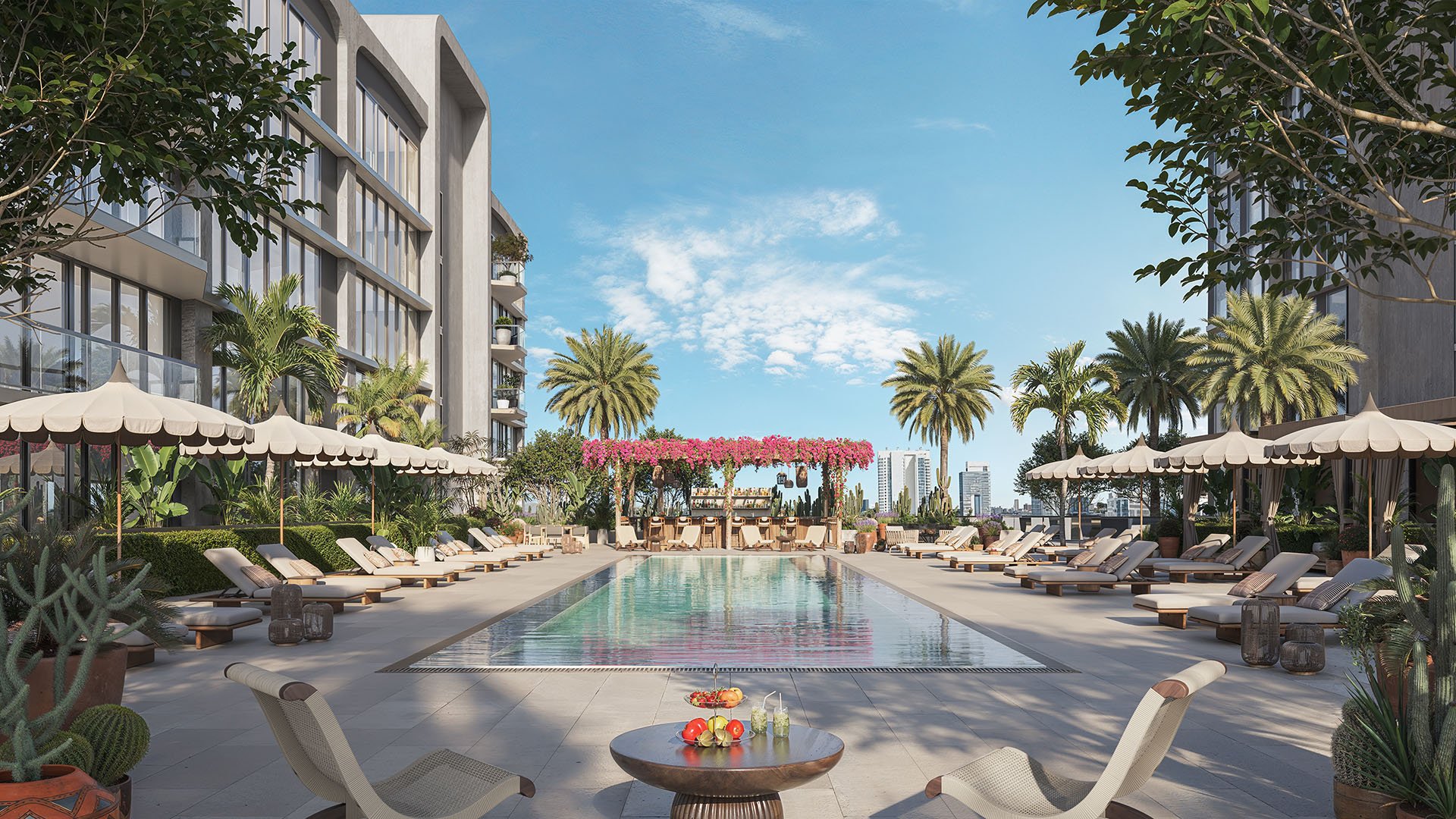
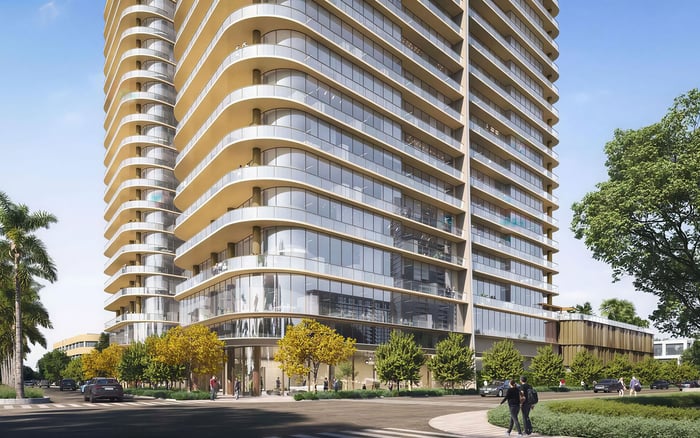
Frida Kahlo Wynwood Residences is planned as a 244-unit luxury condominium at 119 NW 29th Street in Wynwood. Property Markets Group and LNDMRK Development are co-developing the 1.11-acre site, with an eight-story tower and a 14-story tower offering studios through three-bedroom residences. Carlos Ott is the concept architect, Cube 3 is the collaborating architect, and Cotofana Designs is shaping the interiors.
The licensed Frida Kahlo identity, including a large-scale image on the taller tower, gives the project unusual visual presence. Yet a buyer’s most consequential questions lie behind that composition: how the concrete, coatings, joints, membranes, drains and façade attachments will perform through decades of South Florida exposure.
This is particularly important in pre-construction, when governing documents, technical specifications and the proposed budget can reveal more than a finished sales presentation. The architecture, residences, amenities and branding are emphasized, but the structural-corrosion and balcony-waterproofing systems are not detailed. Buyers should therefore treat Frida Kahlo Wynwood Residences as both a design acquisition and a building-envelope diligence exercise.
In South Florida, waterproofing is not a cosmetic allowance but a recurring ownership obligation.
Salt-laden air, humidity and repeated wetting create a demanding environment for reinforced concrete. When moisture and chlorides reach embedded steel, corrosion can begin. Rust occupies more volume than the original steel, creating internal pressure that can lead to cracking, delamination and spalling. What begins as a localized waterproofing weakness can therefore become a concrete-restoration project.
Distance from the ocean does not make envelope diligence optional. The appropriate question is how the project’s engineers have classified the exposure and translated it into the concrete mix, reinforcing-steel cover, crack-control criteria and protective systems. Buyers should ask whether corrosion inhibitors, coated reinforcement or other measures are specified, without assuming any particular solution is present.
The same discipline applies across new-construction choices with different locations and exposure profiles. A purchaser considering Bentley Residences Sunny Isles can use the same document-first framework, while recognizing that each building’s plans, warranties and maintenance assumptions must stand on their own.
Balconies concentrate several vulnerable interfaces in one place. Exposed slabs, traffic coatings, membrane terminations, railing connections, perimeter joints, door thresholds and drains must withstand rain, ultraviolet exposure, humidity and salt. Water that does not drain promptly-or enters through a failed joint or termination-can migrate toward reinforcing steel or occupied interiors.
Failed waterproofing may require far more than a fresh topcoat. Work can include removing finishes, replacing membranes, repairing structural concrete and temporarily closing balconies. For an owner, that can mean reserve contributions, inconvenience and reduced use. For an association, coordinating access and sequencing across numerous private terraces can complicate an otherwise straightforward scope.
The diligence file should include balcony and roof-deck waterproofing specifications, drainage details, membrane and coating warranties, sealant schedules, anticipated inspection cycles and maintenance protocols. Warranty language should identify whether support comes from the manufacturer, installer, developer or a combination of parties. Buyers should also examine exclusions, required maintenance and the process for transferring or enforcing coverage.
This balcony review belongs beside finish selections and amenity plans, not behind them. The principle is equally relevant when evaluating a waterfront proposition such as The Perigon Miami Beach, although no two projects should be presumed to share the same assemblies or risk profile.
Frida Kahlo Wynwood Residences is conceived with a design-forward exterior and prominent artwork. Due diligence should test how that visual identity intersects with physical maintenance. Relevant questions include the number and type of façade penetrations, attachment and anchor details, sealant interfaces, coating specifications, inspection access and the method for future repainting or restoration.
Access can materially shape cost. Buyers should ask how crews will reach the artwork, exterior walls, glazing interfaces and balcony edges, and whether the proposed reserve model reflects that approach. The point is not that expressive architecture is inherently problematic. It is that distinctive surfaces and attachments must be mapped to a credible inspection and renewal plan.
A similar lens can be applied to architecture-led urban projects such as Kempinski Residences Miami Design District. The useful comparison is not aesthetic, but whether each acquisition is supported by project-specific drawings, warranties, access planning and funded maintenance assumptions.
Florida’s Structural Integrity Reserve Study regime applies to condominium buildings of three or more stories and requires professional evaluation of nine major building components. Waterproofing and exterior painting are among the components that must be evaluated and funded. Associations generally cannot waive or underfund required SIRS reserves, placing envelope care within the recurring ownership model rather than leaving it as an optional future decision.
Reserve calculations depend on estimated remaining useful life and replacement cost. A membrane, coating or sealant system with a shorter expected life can therefore increase required contributions, even if the initial installation performs as intended. Buyers should request the assumptions supporting waterproofing and exterior-painting reserves, then test whether they align with the specified products, warranties and maintenance schedule.
Milestone inspections introduce a separate timing question. Florida’s framework generally calls for a first inspection 30 years after the certificate of occupancy, reduced to 25 years for qualifying buildings within three miles of the coast, followed by inspections every 10 years. Buyers should confirm the property’s official coastal-distance classification rather than assume Wynwood automatically receives one schedule or the other.
Initial HOA estimates are a starting point, not a complete investment forecast. A more durable model should include recurring waterproofing and exterior-painting reserves, periodic sealant renewal, façade-access costs and contingency capacity for concrete restoration. Buyers need not predict a specific failure. They should determine whether the budget can absorb ordinary renewal and a reasonable degree of uncertainty without relying on optimistic useful-life assumptions.
This discipline fits naturally within buyer’s guides because it connects legal documents, engineering specifications and personal cash-flow planning. Counsel and an independent building-envelope or structural professional can review the declaration, proposed budget, warranties and technical exhibits within the purchase agreement’s applicable diligence periods.
Timing also deserves reconciliation. Sales launched in January 2026, and construction was expected to begin in fall 2026, while completion targets have differed between 2028 and 2029. The controlling purchase documents should establish the operative delivery expectations, together with any rights tied to delay.
Before signing, a buyer should seek a coherent chain from design criteria to installed system, warranty protection, maintenance schedule and reserve funding. At Frida Kahlo Wynwood Residences, that chain is the quiet infrastructure behind the art-and the basis for treating ownership cost with the same precision as architecture.
For discreet guidance on South Florida luxury real estate and project-specific due diligence, connect with MILLION.
If branded residences are on your mind — as a home or as an allocation — we would be glad to share what we are seeing, privately.
Begin a quiet conversationSalt-laden air and moisture can reach embedded reinforcing steel, where corrosion may contribute to concrete cracking, delamination and spalling. Buyers should review project-specific exposure and protection criteria.
Request waterproofing specifications, drainage details, membrane warranties, sealant schedules, inspection cycles and maintenance protocols for balconies and roof decks.
The documents should clarify whether the manufacturer, installer, developer or multiple parties provide warranty support, along with exclusions and maintenance conditions.
Yes. Water can reach reinforcing steel or occupied interiors, potentially leading to concrete repairs, membrane replacement and temporary balcony closures.
Review exposure classifications, reinforcing-steel cover, crack-control criteria, concrete mix design and any specified corrosion inhibitors or coated reinforcement.
Yes. Florida’s SIRS regime includes waterproofing and exterior painting among the major components subject to professional evaluation and reserve funding.
Associations generally may not waive or underfund required SIRS reserves, making eligible envelope work a recurring ownership consideration.
The general framework starts at 30 years after the certificate of occupancy, or 25 years for qualifying buildings within three miles of the coast. The property’s official classification should be confirmed.
Large-scale exterior artwork can involve anchors, penetrations, sealants, coatings and specialized access that affect future inspection, maintenance and repainting costs.
Published targets have differed between 2028 and 2029. Buyers should rely on the controlling purchase documents and direct developer confirmation for operative delivery expectations.