A month-by-month framework for Singapore buyers coordinating Miami Beach property tours, professional advice, property comparisons, due diligence and a potential 2026 move.
For a Singapore buyer considering a move to Miami Beach, the property search is only one part of the planning process. Immigration, tax, estate-planning, financing and ownership questions should be addressed separately by qualified professionals familiar with the buyer's circumstances.
A structured calendar can keep those workstreams aligned without forcing a purchase by an arbitrary date. Each stage should produce a clear decision: continue, revise the brief, request further advice or pause.
Begin by documenting how the Miami Beach residence would be used, which household needs it must support and what timing is being considered. The brief can address privacy, service preferences, outdoor space, views, neighborhood character, building scale and tolerance for construction or delivery uncertainty.
Use this month to identify the legal, immigration, tax, estate-planning and financial advisers who should review the proposed move. Avoid assuming that a property decision resolves any separate residency or planning question.
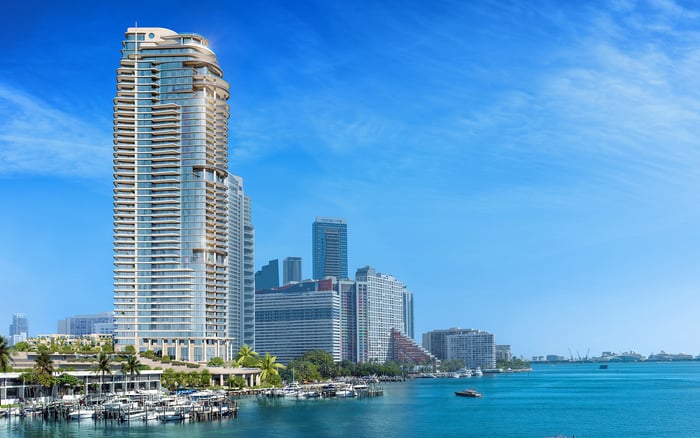
Create an initial comparison set that includes different ownership and building profiles. The Ritz-Carlton Residences® Miami Beach can be included as one project for direct review against the buyer's documented criteria.
A first visit should go beyond scheduled showings. Build time into the itinerary to experience morning and evening travel, access to preferred services, waterfront conditions and the practical distance between shortlisted neighborhoods and regular destinations.
Keep the number of tours manageable so that each property can be evaluated consistently. The Perigon Miami Beach can serve as another project in the comparison set, subject to verification of current availability, specifications and terms.
Record reactions immediately after each visit. A simple scorecard covering arrival experience, privacy, layout, natural light, outdoor space, amenities and surrounding activity can help separate lasting priorities from first impressions.
Use the next stage to compare individual residences rather than relying on broad market narratives. Request relevant property documents and review asking terms, condition, carrying costs and any planned work with the appropriate advisers.
If a second visit is practical, return at different times of day. Confirm whether the neighborhood and building experience still fit the intended lifestyle after the initial tour.
This is also the point to decide whether the search should remain focused on Miami Beach or whether a limited South Florida comparison would sharpen the decision. Viceroy Brickell may be considered as an urban Miami reference, while the acquisition brief itself can remain centered on Miami Beach.
Resale and pre-construction opportunities require different review paths. For a resale, focus on the specific residence, building records, association materials, condition and proposed closing process. For pre-construction, focus on the contract, deposit structure, stated milestones, finish provisions, occupancy terms and delay-related language.
Ask qualified counsel to review documents before commitments are made. Marketing materials can inform the design discussion, but contractual documents and professional advice should guide the decision.
By the end of June, the buyer should have either a narrow shortlist or a clearly documented reason to continue searching. A broad list without agreed evaluation criteria is less useful than a small group of options that can be compared carefully.
Summer can be reserved for document review and practical verification. Depending on the property, the review may include title, inspection findings, association materials, insurance questions, renovation restrictions, rental provisions, service costs and management arrangements.
Waterfront and condominium properties may raise additional questions for the buyer's inspectors, attorneys, insurance professionals and other advisers. Those questions should be resolved through project-specific documents and professional review rather than assumptions.
Revisit the financial plan at this stage. Confirm the proposed purchaser, funding process, currency-transfer planning and reserve budget with the relevant professionals before setting a closing target.
A return visit should test whether the shortlist still works after the detailed review. Tour the leading options again, inspect the surrounding area and revisit any issue identified during diligence.
This visit can also be used to plan the practical move: furnishing, property management, maintenance, security, deliveries and periods when the residence may be unoccupied. Keep these operational questions separate from legal advice about immigration or tax matters.
If material concerns remain unresolved, extend the search rather than compressing diligence to fit the calendar.
Before signing final documents, ask the relevant professionals to confirm the purchaser details, title review, inspection status, insurance arrangements, transfer process, closing timetable and post-closing responsibilities. Any immigration, tax or estate-planning work should also be reviewed on its own timeline.
The year should end with a documented decision rather than a forced transaction. Proceed only if the selected residence, professional advice and practical relocation plan align; otherwise, carry a refined brief into the next search period.
Should the property search and residency planning follow the same process? No. Coordinate the timelines, but have qualified professionals review immigration, tax and ownership questions as separate matters.
What should a January property brief include? It can cover intended use, timing, neighborhood preferences, privacy, services, views, outdoor space, building scale and construction tolerance.
How should a first Miami Beach visit be organized? Limit the number of tours and leave time to experience the surrounding area, travel patterns and daily routine.
Why use a property scorecard? A consistent scorecard helps compare layouts, privacy, arrivals, amenities and neighborhood fit without relying only on first impressions.
When should a buyer narrow the shortlist? The shortlist can be refined after initial tours, document requests and a review of the buyer's core criteria.
How do resale and pre-construction reviews differ? Resale diligence centers on the particular residence and building, while pre-construction review places greater emphasis on the contract, deposits, stated milestones and delivery provisions.
What belongs in condominium due diligence? The buyer's advisers can determine which association materials, building records, insurance questions, restrictions, costs and inspection items require review.
Is a second Miami Beach visit worthwhile? It can help confirm the neighborhood, revisit shortlisted residences and investigate issues identified during document review.
What should be planned before closing? Confirm purchaser details, funding, title, inspection, insurance, timing and post-closing management with the appropriate professionals.
What if the review is incomplete by year-end? Preserve flexibility, document the unresolved issues and continue the search rather than forcing a decision.
For a tailored shortlist and next-step guidance, connect with MILLION.
If branded residences are on your mind — as a home or as an allocation — we would be glad to share what we are seeing, privately.
Begin a quiet conversation