Line selection at Four Seasons Fort Lauderdale should extend beyond a view label. Buyers can compare orientation, elevation, terrace sightlines, natural light, interior privacy, and possible noise relationships to understand how a residence may feel throughout the day.
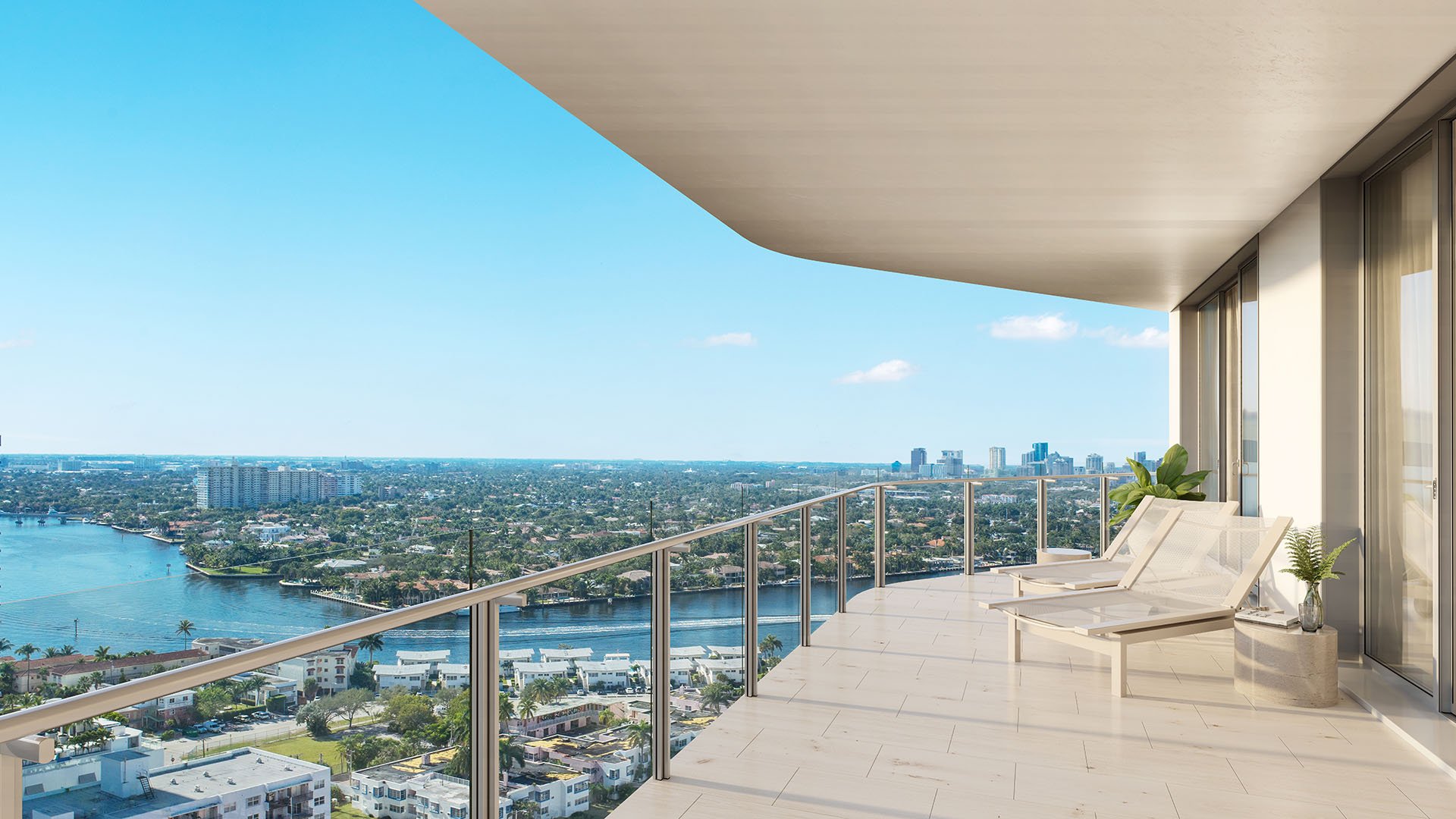
At Four Seasons Hotel & Private Residences Fort Lauderdale, line selection calls for more than choosing the most appealing description. A buyer should examine how the outlook appears from the places where daily life occurs: the sofa, dining area, kitchen, primary bedroom, and terrace seating.
A represented view may change with orientation, elevation, neighboring structures, balcony geometry, glazing, and the position of interior walls. The most suitable line is therefore personal. One household may prioritize broad daylight and visual drama, while another may value shade, privacy, or a quieter-feeling interior.
Begin by checking the view while standing and seated. Railings, furniture, structural elements, and terrace depth can affect what is visible from a chair even when the standing view is impressive. Repeat the exercise from each principal room rather than evaluating the outlook only at the glass.
Consider how the view may feel at different times of day. Morning and afternoon visits can reveal changes in brightness, direct sun, reflected glare, and shadow. An evening visit can help buyers assess interior reflections and the visibility of nearby terraces or windows after dark.
This same method is useful when comparing another Fort Lauderdale beachfront option such as The Ritz-Carlton Residences® Fort Lauderdale. Project branding and a view description can frame the search, but an in-person line assessment remains essential.
A terrace should be evaluated as usable living space. Buyers can test whether its depth and shape accommodate their preferred furniture arrangement without obstructing doors or circulation. They should also look outward and back toward the residence to understand exposure from adjoining positions.
Privacy depends on angles as much as distance. Side views toward neighboring outdoor areas may feel different from the primary forward outlook. Railing transparency, partition placement, and the relationship between bedroom glazing and outdoor seating can also influence comfort.
Wind, shade, and glare should be considered without assuming that elevation alone determines the result. Conditions can vary by position, so conclusions should be based on direct observation of the specific residence whenever possible.
Higher placement may broaden an outlook, but floor level should not be treated as an automatic ranking. Buyers should compare the exact angle of the view, the amount of usable daylight, terrace exposure, and the relationship to nearby buildings or active areas.
Corner placement may introduce light from more than one direction, while an interior line may offer a different balance of enclosure and separation. Neither configuration is inherently superior. The better choice is the one that supports the buyer’s preferred level of brightness, privacy, and visual openness.
Internal planning matters as well. Bedroom separation, the position of guest rooms, and sightlines through shared spaces can shape privacy independently of the exterior view. A memorable outlook is most effective when the residence also functions well for the household.
View selection should include an acoustic review. During a tour, spend time with exterior doors closed and then open them. Listen from bedrooms, living areas, and the terrace, and note any sounds associated with roads, outdoor activity, building circulation, or neighboring spaces.
The exercise should be repeated at more than one time if practical. A brief, quiet visit may not represent how the setting feels during other parts of the day. Buyers should avoid generalizing from a single moment or assuming that one floor or orientation will perform like another.
The same caution applies when evaluating St. Regis® Residences Bahia Mar Fort Lauderdale or another branded residence in Broward County. A compelling line balances its outlook with the practical experience of occupying the home.
Long-term appeal cannot be reduced to one feature. A line may remain desirable when the view, terrace, daylight, room arrangement, privacy, and acoustic experience work together. Buyers should distinguish between a dramatic first impression and qualities that support repeated daily use.
A consistent comparison method can make trade-offs clearer. Record observations from the same positions in each residence, visit under different light when possible, and compare how well every plan fits the household’s routines. This approach helps keep the decision focused on the residence itself rather than assumptions attached to a floor number or view name.
Start with the doors closed and spend several quiet minutes in the main living space. Sit in the locations intended for dining, relaxing, working, and sleeping. Step onto the terrace, test likely furniture positions, and inspect lateral as well as forward sightlines.
Next, note daylight, shade, glare, interior reflections, and the relationship between rooms. Finish by considering how guests and household members would move through the home. The goal is to identify the line whose combination of outlook and livability best matches the buyer’s priorities.
Why is the view label only a starting point? It does not by itself explain the outlook from seated positions, the quality of light, terrace exposure, or interior privacy.
Should buyers evaluate a view while seated? Yes. Furniture, railings, and structural elements can change the experience from normal living positions.
Are higher floors automatically better? No. Buyers should assess the specific view angle, light, exposure, privacy, and acoustic experience of each residence.
How can buyers assess terrace privacy? They can inspect side angles, neighboring outdoor areas, railing transparency, partitions, and views back toward the interior.
Why visit at different times of day? Changing light can reveal differences in direct sun, glare, shade, reflections, and nighttime visibility.
What should buyers listen for during a tour? They should note sounds associated with roads, outdoor activity, circulation areas, and neighboring spaces without assuming one visit represents every condition.
Does corner placement guarantee the best line? No. Additional exposure may appeal to some buyers, but the complete plan, light, privacy, and terrace relationship should guide the decision.
How does bedroom placement affect line selection? Bedroom separation and sightlines through shared spaces can influence household and guest privacy independently of the exterior outlook.
What may contribute to long-term appeal? A balanced combination of outlook, usable outdoor space, daylight, functional planning, privacy, and acoustic comfort may support broad appeal.
What is the best way to compare multiple residences? Use the same viewing positions and checklist in every home so that trade-offs remain clear and consistent.
For a tailored shortlist and next-step guidance, connect with MILLION.
If branded residences are on your mind — as a home or as an allocation — we would be glad to share what we are seeing, privately.
Begin a quiet conversation