A practical framework for assessing premium lines at Casa Bella by B&B Italia Downtown Miami, with emphasis on residence-specific outlooks, interior usability, comparative scarcity, and document-based diligence before reservation.
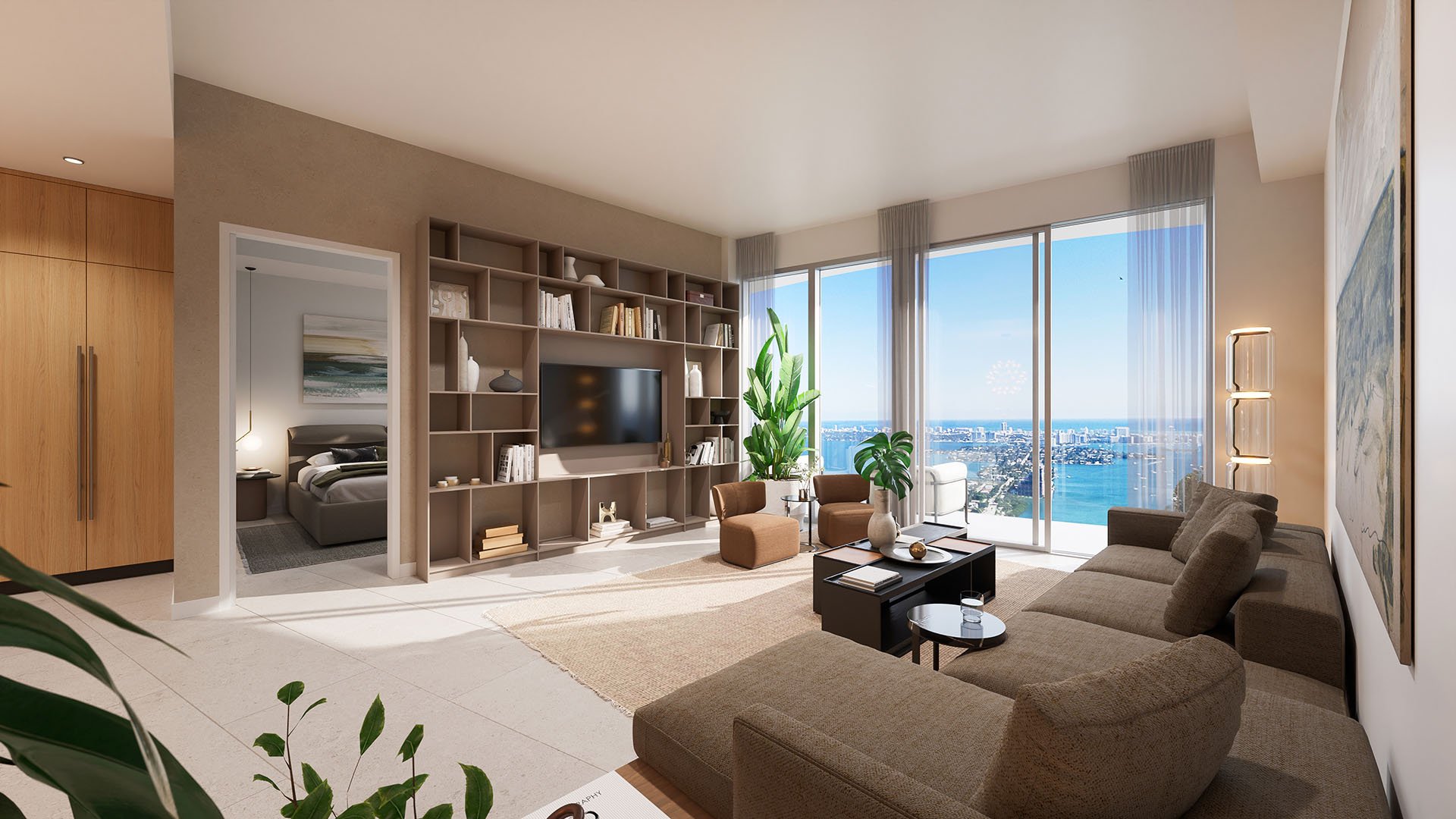
At Casa Bella by B&B Italia Downtown Miami, buyers evaluating a premium line should focus on the outlook from the specific residence under consideration. A broad directional label cannot establish what will be visible from the living areas, bedrooms, or outdoor space.
Review the visual corridor from several positions within the proposed home. Consider whether the outlook is a central part of daily living or mainly apparent from one location. The assessment should also distinguish between an appealing presentation and details confirmed for the selected residence.
A premium-line analysis should treat view quality, interior utility, privacy, and outdoor-space usability as separate components. This prevents one attractive feature from obscuring compromises elsewhere in the residence.
Start with the relationship between the interior plan and the outlook. A view may carry greater practical value when it is visible from frequently used rooms without limiting furniture placement or circulation. Outdoor space should be assessed for its usable sightline rather than its directional label alone.
Privacy also deserves an independent review. Buyers should consider how the selected residence relates to nearby buildings and other homes in the project, while avoiding assumptions that cannot be confirmed through current project materials.
The clearest way to evaluate a proposed premium is to compare residences that are as similar as possible. Begin with the same bedroom count and broadly comparable interior and outdoor utility. Then identify the differences attributable to outlook, privacy, position, and availability.
Do not combine all distinctions into a single premium without explanation. A price difference may reflect several attributes, and the view may account for only part of it. A written comparison grid can help buyers document which feature supports each portion of the proposed premium.
The same discipline can inform contextual reviews of Aria Reserve Miami and Waldorf Astoria Residences Downtown Miami. These references should not be treated as direct substitutes for residence-level diligence at Casa Bella.
Scarcity should be based on a clearly defined set of comparable residences, not on broad marketing language. Ask how many homes share the relevant combination of position, plan, outlook, privacy, and outdoor utility. Then confirm whether the claimed distinctions appear in current project and contract materials.
A scarce category is not automatically the best purchase. Its long-term appeal still depends on whether future buyers can understand and value the features that make it different. The strongest analysis connects rarity to practical ownership benefits rather than relying on a label alone.
Before making a reservation decision, request the current floor plan and materials identifying the exact residence. Review how the proposed home sits within the building and what the supplied materials confirm about its outlook. Any uncertainty should be documented and resolved through the appropriate project and legal channels.
Read the governing contract documents and verify all residence-specific representations there. Marketing materials, renderings, and verbal descriptions should not replace a review of the controlling documents. Buyers should also obtain independent legal and financial advice suited to their circumstances.
A defensible premium is one the buyer can explain feature by feature. The final judgment should reflect the selected residence’s confirmed attributes, personal priorities, and comparison with genuinely similar alternatives.
What is a premium line at Casa Bella? It is a residence position perceived to offer a preferable combination of outlook, privacy, plan, or outdoor utility. The relevant attributes must be verified for the exact home.
Is a directional label enough to value a view? No. Buyers should assess what is visible from the specific residence and from the rooms they expect to use most.
How should two residences be compared? Start with homes that have similar functional characteristics, then isolate differences in position, outlook, privacy, and availability.
Why does interior view capture matter? An outlook may have greater daily utility when it is visible from primary living spaces without compromising circulation or furniture placement.
How should outdoor space be evaluated? Review its usable sightline, privacy, and connection to the interior rather than relying only on its stated direction.
Does a higher position automatically justify a premium? No. The buyer should identify the confirmed practical benefit of the selected position before assigning additional value.
What makes scarcity credible? Credible scarcity comes from a clearly defined and verifiable group of comparable residences with a distinctive combination of attributes.
Can renderings establish the final outlook? They should not be treated as a substitute for residence-specific materials and governing contract documents.
What should be reviewed before reserving? Review the current floor plan, residence-specific project materials, governing documents, and any representations relevant to the purchase decision.
What makes a long-term premium more defensible? A premium is more defensible when it rests on confirmed, usable, and readily understandable residence attributes rather than a broad label.
For a discreet conversation and a curated building-by-building shortlist, connect with MILLION.
If branded residences are on your mind — as a home or as an allocation — we would be glad to share what we are seeing, privately.
Begin a quiet conversation