Cash removes lender review, not condominium risk. A disciplined Key Biscayne buyer should examine the building's inspection, reserve, governance, and assessment records as one connected financial narrative.
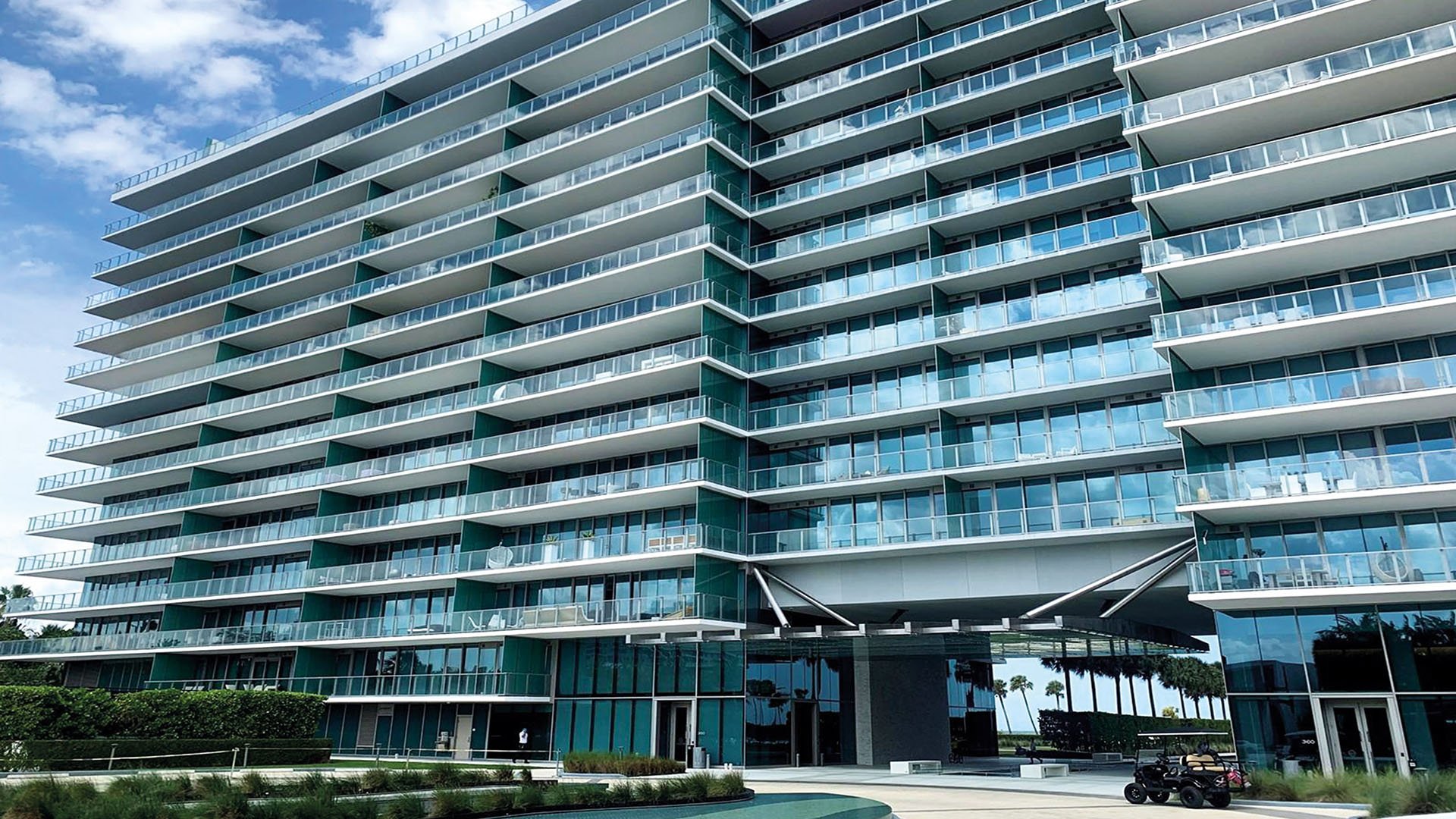
A cash acquisition in Key Biscayne can simplify one part of the transaction, but it does not resolve the questions that matter at the condominium level. Without a lender conducting an independent review, the buyer and the buyer's advisers must determine whether the association's records present a coherent account of the property's physical condition, future work, and available funds.
This MILLION Buyer's Guides briefing is therefore less about labels than disciplined review. SIRS, reserves, and milestone inspections should not be treated as isolated paperwork. They belong in a single diligence file alongside budgets, meeting minutes, insurance materials, engineering correspondence, contracts, bids, and notices of proposed or approved assessments.
For a high-value Waterfront purchase, the objective is not merely to confirm that documents exist. It is to understand what they reveal collectively, what remains unresolved, and which obligations could follow the unit after closing.
Begin by requesting the complete, current version of every relevant document-not a summary or selected pages. Ask the association or its authorized representative to identify whether any document has been revised, supplemented, challenged, or superseded. Dates, signatures, attachments, assumptions, and stated limitations all warrant scrutiny by the appropriate adviser.
Organize the material into three working categories. The first is physical: observed conditions, components discussed, recommended further investigation, and contemplated work. The second is financial: reserve balances, planned contributions, budget treatment, existing assessments, and potential funding gaps. The third is governance: board decisions, owner discussions, voting status, contracts, disputes, and the timetable for next steps.
The value lies in reconciliation. If engineering material identifies work, look for its corresponding treatment in reserves and budgets. If minutes describe a project or funding debate, determine whether later records reflect a decision. If an assessment appears, establish what it funds, whether its scope is fixed, and what could change.
Sophisticated cash buyers should turn ambiguity into precise questions. Has the board accepted the relevant inspection or reserve material? Are additional studies, destructive testing, design work, permits, bids, or owner approvals contemplated? Is a quoted cost preliminary or contracted? Does the reserve plan address the same scope discussed elsewhere in the file?
The answers should be evaluated by a Florida real-estate attorney, a qualified inspector or engineer, and the buyer's financial adviser, each operating within the proper discipline. A broker can coordinate the process and keep commercial priorities in view, but technical and legal interpretation should never be improvised.
For a Resale at Oceana Key Biscayne, or at any other island condominium, the unit's finishes and view represent only part of the acquisition. Common-property obligations can shape the character of the Investment even when the residence itself appears impeccable.
A reserve figure has limited meaning without context. Buyers should ask which assumptions produced it, what work it is intended to support, which expenditures have occurred since the stated date, and whether subsequent board action altered the plan. The useful question is not whether a balance appears large in isolation, but whether available and expected funds align with the association's identified obligations.
Distinguish, too, among an approved obligation, a proposal under discussion, and a scenario still subject to further investigation. These categories can carry markedly different consequences for negotiation and closing. Counsel should review who bears responsibility for any assessment, installment, or newly approved charge under the contract and governing documents.
Buyers often compare Key Biscayne with other refined coastal markets. Reviewing opportunities such as The Ritz-Carlton Residences® Miami Beach or Arte Surfside may help clarify preferences regarding location, building profile, and ownership experience. It cannot replace property-specific diligence.
Two residences at similar prices can carry distinctly different association narratives. Building age, maintenance history, governance decisions, project scope, contracts, and funding choices must be assessed individually. Comparisons are most useful when they sharpen the buyer's questions rather than encourage assumptions.
Before the diligence period expires, prepare a concise issue list. Separate resolved matters from open questions, identify the professional responsible for each answer, and set the decision deadline. Where uncertainty remains, discuss contractual options with counsel rather than relying on informal assurances.
A prudent cash buyer is not searching for a building with no future expenditures. Condominium ownership necessarily entails collective decisions and shared property. The goal is a legible risk profile: documented conditions, intelligible funding, traceable governance, and terms that reflect what is known at signing and closing.
Does paying cash eliminate the need to review association records? No. Cash may remove lender review, making the buyer's own legal, technical, and financial diligence even more important.
Should SIRS and milestone materials be reviewed separately? They should be read individually, then reconciled with budgets, reserves, minutes, assessments, bids, and engineering correspondence.
Is a document summary enough for diligence? A buyer should request the complete current document, including signatures, dates, attachments, assumptions, limitations, and later supplements.
What should I ask about reserve balances? Ask what the funds are intended to cover, what has been spent, which contributions are planned, and whether later decisions altered the assumptions.
How should proposed work be evaluated? Determine whether the scope is preliminary, approved, contracted, permitted, underway, or still dependent on further investigation.
Why do board minutes matter? Minutes can help a buyer trace discussions, decisions, owner concerns, funding debates, and changes that may not appear in a single study.
Who should interpret technical findings? A suitably qualified inspector or engineer should address technical matters, while Florida counsel should interpret legal and contractual consequences.
Can the seller simply pay an assessment at closing? Responsibility depends on the applicable documents and negotiated contract terms, so the allocation should be reviewed expressly with counsel.
Should I compare Key Biscayne buildings by reserve totals? Not in isolation. Scope, assumptions, timing, obligations, and subsequent expenditures are essential to understanding any stated balance.
What is the final pre-closing check? Confirm whether material records, board actions, project status, assessments, or answers have changed since the initial review.
To compare the best-fit options with clarity, connect with MILLION.
If branded residences are on your mind — as a home or as an allocation — we would be glad to share what we are seeing, privately.
Begin a quiet conversation