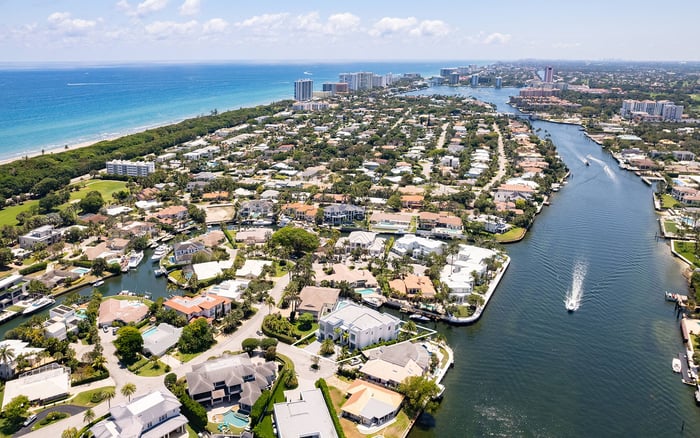
A disciplined pre-closing framework for matching a Boca Raton waterfront property to a buyer’s vessel, navigation plans, dockage needs, and long-term ownership strategy.
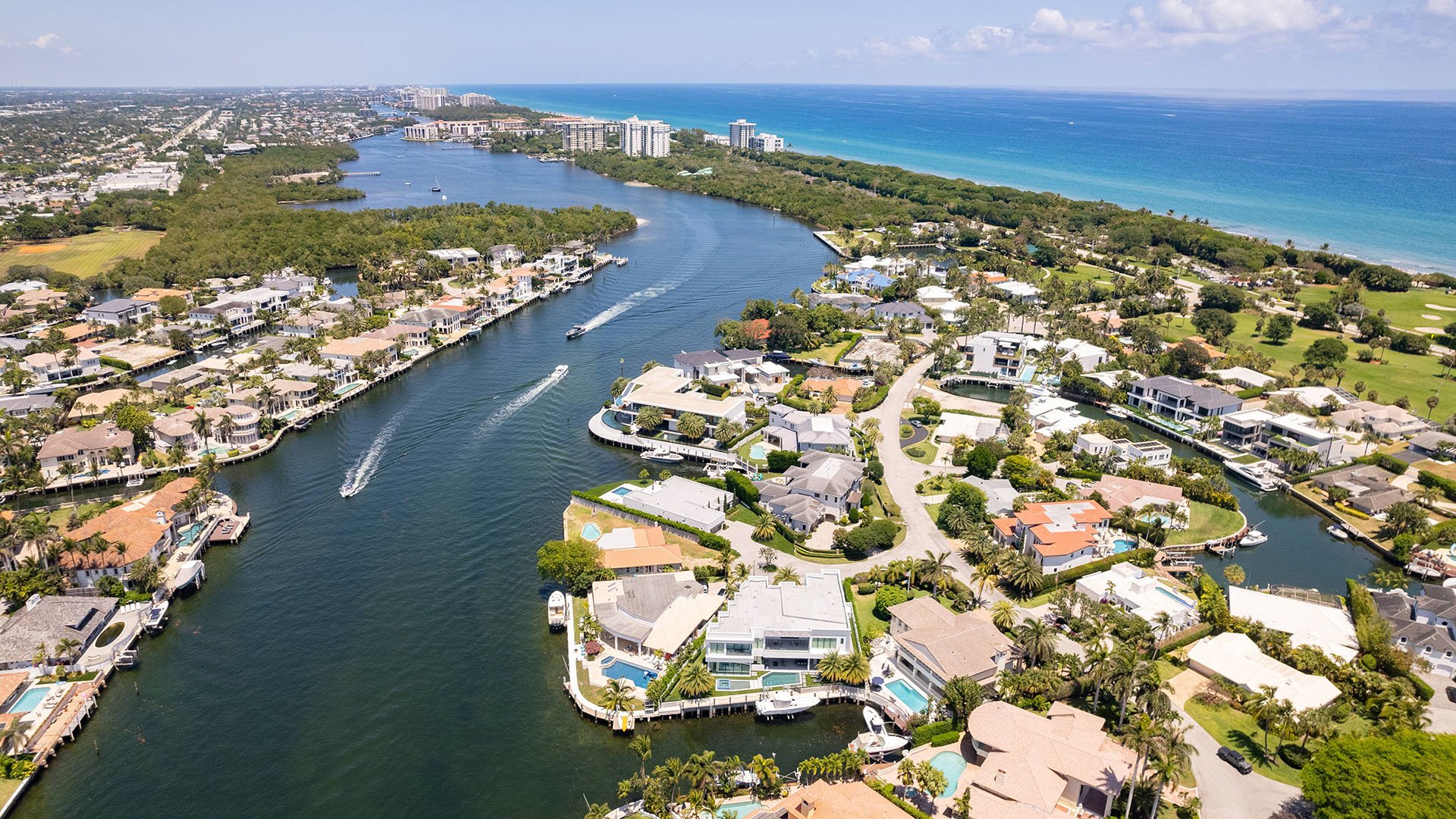
A cash offer can streamline a Boca Raton purchase, but it does not resolve the questions that determine whether a waterfront residence truly suits a particular boat. The decisive issues remain physical and documentary: berth dimensions, the vessel’s operating profile, the route beyond the property, bridge constraints, water depth, dock condition, and approvals for marine improvements.
For buyers whose boating plans are central to the acquisition, these considerations should be treated as core property criteria-not post-contract details. A beautiful residence can still be a poor nautical fit. Conversely, a carefully matched property may deliver greater daily utility than one chosen primarily for its view.
Begin the evaluation with a written vessel profile. Record overall length, beam, draft, air draft, propulsion arrangement, shore-power needs, boarding preferences, tender storage, and the clearance required for safe maneuvering. If a future yacht is under consideration, test the property against that vessel as well.
Do not allow a broad phrase such as “dockage available” to substitute for measurements. A boat slip should be assessed as an operating space, accounting for pilings, lifts, neighboring boats, turning room, fender placement, line angles, and dock access. The relevant question is not simply whether a vessel can fit. It is whether the owner and crew can use it comfortably without an impractical routine.
This distinction matters across waterfront acquisitions, including estates and single-family properties where the dock may represent a major component of value. Buyers comparing that lifestyle with condominium options such as Alina Residences Boca Raton should define how often they expect to boat, who will manage the vessel, and whether direct private dockage is essential.
A dock is only the first point in a longer navigation chain. Review the intended route from the property to the buyer’s usual destination, identifying every bridge, narrow passage, turning area, and segment where depth may require confirmation. Evaluate bridge clearance against the vessel’s air draft with a prudent operating margin, not as an abstract neighborhood attribute.
Distinguish between the clearance a buyer hopes to have and the clearance that can be relied upon under the conditions in which the boat will actually operate. Determine whether any bridge along the preferred route opens, how an opening would affect a typical departure, and whether an alternate route is practical. Verify these matters directly with the appropriate professionals and authorities before closing.
A sea trial of the route can reveal more than a dockside inspection. Conduct it with a qualified captain familiar with the vessel type, and repeat critical measurements rather than relying on marketing language. The objective is a route plan aligned with the buyer’s actual operating schedule and tolerance for delay.
Marina access, a deeded berth, an assigned space, and permission to use a private dock are not interchangeable. The contract and governing documents should state precisely what transfers with the residence, what is licensed separately, what may be reassigned, and which costs or restrictions apply.
Request the documents governing dock use, along with available permits, surveys, plans, maintenance records, and approvals for lifts or other marine structures. Counsel should determine whether the represented rights attach to the real estate, depend on an association, or remain subject to another arrangement. A marine contractor can then assess whether the physical installation aligns with the buyer’s intended use.
For buyers also considering a more turnkey residential setting, The Residences at Mandarin Oriental Boca Raton and Mr. C Residences Boca Raton provide useful points of comparison. The purpose is not to assume a particular boating feature, but to weigh private dock responsibility against a different ownership and lifestyle model.
A residence inspection should not substitute for a dedicated review of the dock, pilings, seawall, cap, lift, electrical service, plumbing, and related equipment. Engage specialists whose scope expressly covers the property’s relevant marine components.
Request written findings, supportable observations about remaining life, repair priorities, and budget ranges. Confirm which work would require approval before treating any proposed modification as feasible. If the buyer plans to enlarge a dock, add a lift, alter utilities, or accommodate a different vessel, make that intended use part of the pre-closing inquiry.
Approach insurance with the same precision. Give the prospective insurer an accurate description of the residence, dock, seawall, vessel, and planned use. Obtain coverage guidance and pricing early enough to inform the acquisition decision.
Even an all-cash acquisition warrants a disciplined carrying-cost model. Include routine upkeep, inspections, cleaning, electrical and lift service, insurance, association charges where relevant, and a reserve for marine infrastructure. Separate current condition from future capital needs.
The resale thesis should be equally specific. A property that works for one vessel may not suit another, so preserve measurements, approvals, inspection records, and repair documentation. Clear records can help a future buyer understand what is included and what still requires independent verification.
Buyers who determine that private marine infrastructure is not essential may broaden the comparison set to residences such as Glass House Boca Raton. This buyer’s-guide approach keeps the decision centered on actual use rather than a generalized notion of waterfront prestige.
Before releasing contingencies or authorizing closing, align five workstreams: vessel fit, navigational route, legal rights, physical condition, and ownership cost. The captain, surveyor, marine contractor, attorney, insurer, and property inspector should each receive a clearly defined question-not a request for general reassurance.
The most useful closing file states what was measured, what was reviewed, what remains subject to operating conditions, and which future changes would require separate approval. Cash can create negotiating certainty, but informed certainty comes from treating the residence, water access, and boat as one integrated acquisition.
Does paying cash eliminate the need for waterfront due diligence? No. Financing may be simpler, but vessel fit, access rights, marine condition, insurance, and approvals still require review.
What vessel measurements should a buyer provide? Provide length, beam, draft, air draft, propulsion details, power needs, and practical boarding requirements.
Is a stated dock length enough to confirm fit? No. Pilings, lifts, neighboring vessels, turning room, utilities, and safe boarding can also affect usability.
How should bridge clearance be evaluated? Compare verified route conditions with the vessel’s air draft and a prudent operating margin.
Should the route be tested before closing? When boating is material to the purchase, a route review with a qualified captain can identify practical constraints.
What dock documents should counsel review? Request governing documents, surveys, permits, plans, maintenance records, approvals, and the instrument defining dock rights.
Who should inspect a seawall and dock? Engage qualified professionals whose written scope expressly includes the relevant marine structures and equipment.
Can a buyer assume a larger lift will be approved? No. Feasibility, structural capacity, property rights, and required approvals should be confirmed before purchase.
How should dockage affect the ownership budget? Model routine service, insurance, utilities, association obligations, inspections, and reserves for future marine work.
Why does marina access matter at resale? Documented rights, measurements, condition, and route compatibility help future buyers assess suitability for their own vessels.
When you're ready to tour or underwrite the options, connect with MILLION.
If branded residences are on your mind — as a home or as an allocation — we would be glad to share what we are seeing, privately.
Begin a quiet conversation