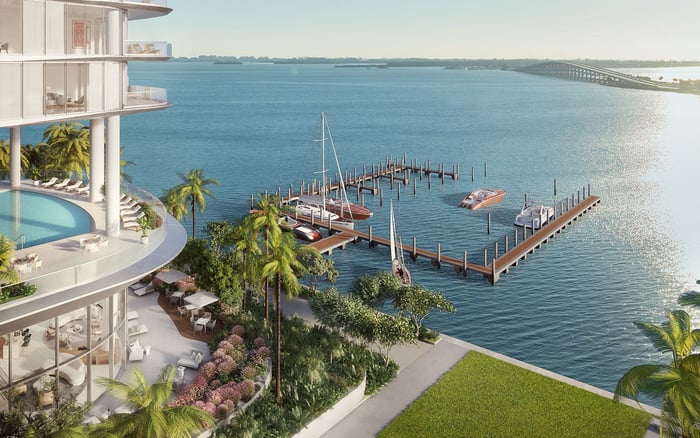
A disciplined Key Biscayne purchase looks beyond living-floor elevation to the equipment, access arrangements, insurance terms, and temporary-housing plans that support ownership.
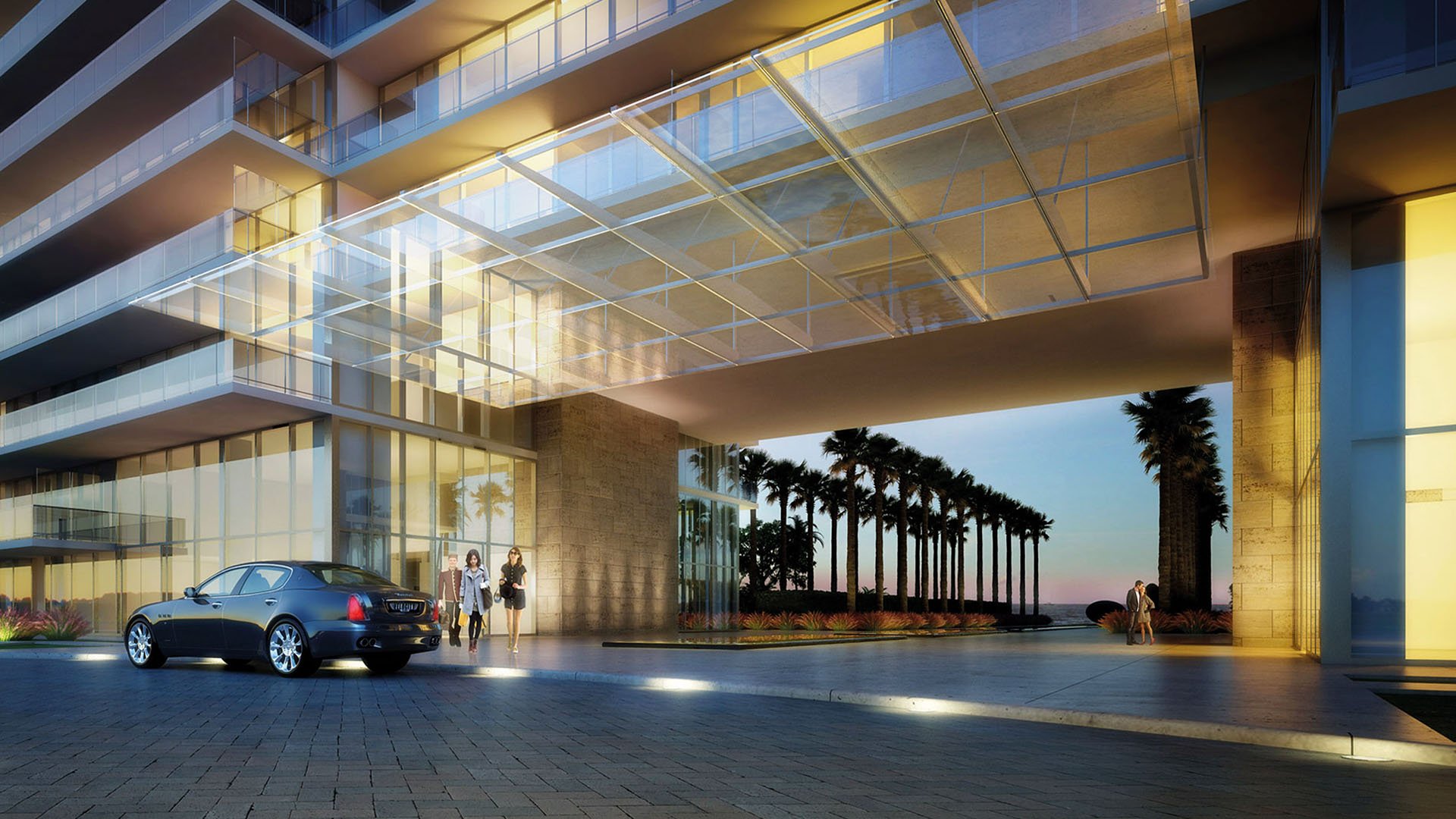
In Key Biscayne, a thoughtful acquisition looks beyond the residence itself to what keeps it usable: electrical service, cooling, elevators, vehicle access, and somewhere comfortable to stay if occupancy is interrupted. These considerations are less visible than finishes or views, but they belong in the ownership budget.
The island's low-lying coastal setting creates community-wide flood exposure. Substantial flooding has occurred, and the setting makes recurrence a concern. Yet an island-wide description cannot establish a particular property's vulnerability or future expense. Buyers need to connect the effective flood map to the physical building, then connect both to insurance terms and household plans.
For a buyer considering Oceana Key Biscayne, the question is not whether an island address alone predicts cost. It is whether property-specific documentation clarifies equipment exposure, recovery responsibilities, and arrangements for living elsewhere. That is a due-diligence framework, not a finding about the project.
Start with the property's effective flood map. Confirm its designation and any available Base Flood Elevation rather than relying on neighborhood descriptions or listing language. Zone AE generally identifies the 1%-annual-chance floodplain with mapped base flood elevations. Zone VE adds coastal high-hazard exposure involving wave action.
Evacuation Zone A answers a different question. All of Key Biscayne falls within that evacuation zone, the first area called to evacuate. It is not interchangeable with a property's flood designation and does not identify the elevation of a garage, electrical panel, or occupied floor.
Ask a qualified professional to reconcile available elevation documentation with the mapped information. The goal is a property-level comparison: where relevant building components sit relative to the mapped flood elevation. Neither a zone label nor a high living floor completes that exercise on its own.
Keep the map, elevation documentation, and inspection findings together. They should inform the same purchase decision, not remain disconnected attachments in a closing file.
A garage inspection should extend beyond vehicle dimensions and storage capacity. Elevating utilities and electrical equipment is a recognized flood-protection measure. The buyer's task is to establish what is installed, where it sits, and what documentation supports its protection.
Request an inventory of electrical panels, HVAC components, generators, pumps, elevator machinery, and charging equipment where present. Have the inspector identify their elevations and locations, then explain which systems serve the individual residence and which are shared. Backup service does not, by itself, establish that equipment is protected.
For each relevant component, ask three questions: What exposure has been identified? What inspection or repair records are available? Who is responsible for corrective work? For shared systems, seek written clarification from building management rather than relying on a sales description.
The same discipline can guide a broader search in Coconut Grove, including Park Grove Coconut Grove. Compare documented building conditions, not presumed advantages of one neighborhood over another. A project's name or location supports no conclusion about its equipment.
Elevated living areas and garage-floor storage require separate attention. The need to elevate valuable contents before flooding has a straightforward purchasing implication: review what the household intends to keep below the living floor before deciding that storage is adequate.
Inventory the valuables intended for the garage. Ask which can be moved, where they would go, and who would handle the move if the owner were away. Resolve these practical questions before a storm rather than improvising during an evacuation.
Ask the insurance adviser to review the proposed contents and storage locations against actual policy terms. Equipment, personal property, and temporary accommodation require separate coverage reviews, not a blanket assumption. Obtain property-specific quotations and identify the responsibilities and potential expenses that remain with the owner.
The designated evacuation route follows Crandon Boulevard and the Rickenbacker Causeway, the island's only road connection to and from the mainland. A disruption to that connection could affect access across the island. That is a planning implication, not a prediction of a closure or its duration.
When evacuation is mandated, residents should follow their individual hurricane plans and designated route. Establish in advance who will leave with whom, how vehicles will be handled, and how pets and essential belongings will travel. The objective is a workable departure plan that does not depend on last-minute arrangements.
Keep access planning distinct from property condition. A home inspection addresses the residence; it does not settle every question about reaching it after an event. Build the household plan around official instructions rather than an assumed return date.
A pre-arranged mainland destination may be a friend's or relative's home, a shelter, or a hotel. That evacuation arrangement is the first scenario. The second is a longer stay elsewhere if the household cannot resume occupancy. Budget for them separately: they answer different needs.
As a budgeting exercise, obtain quotations for 30-, 60-, and 90-day accommodation, transportation, storage, and pet arrangements. These are planning intervals, not forecasts of displacement. Check cancellation terms, availability conditions, and the practical requirements of working or maintaining household routines away from the island.
If the purchase search also includes Brickell and Una Residences Brickell, keep acquisition comparisons separate from emergency lodging assumptions. A residential project under consideration is not evidence of available temporary accommodation or lower flood exposure.
Ask the insurance adviser whether any additional-living-expense provision applies to the contemplated event, what triggers it, and which limits or exclusions matter. Do not assume flood-related hotel stays will be reimbursed. Exclude unconfirmed reimbursement from the household's available-funds calculation.
Before committing, assemble the effective map, available elevation documentation, equipment inventory, inspection findings, claims and repair records, and property-specific insurance quotations. Add a written evacuation plan and priced temporary-housing scenarios. Together, these turn a broad coastal concern into decisions that can be evaluated.
Separate confirmed recurring expenses from quoted protective work and contingency funds for unresolved exposures. Seek clarification wherever responsibility is unclear, particularly for shared equipment. A flood designation alone cannot establish an insurance premium, repair bill, or lodging cost.
The aim is not to eliminate uncertainty through a reassuring label. It is to understand which parts of ownership are documented, which require action, and which need a financial cushion-while preserving the ease that makes island living appealing.
For a considered approach to your next South Florida residence, explore MILLION.
If branded residences are on your mind — as a home or as an allocation — we would be glad to share what we are seeing, privately.
Begin a quiet conversationNo. The property's effective flood designation, equipment elevations, inspection findings, and insurance quotations are needed to evaluate potential expenses.
No. Evacuation Zone A identifies evacuation priority, while a mapped flood designation describes flood exposure.
Zone AE generally identifies the 1%-annual-chance floodplain with mapped Base Flood Elevations. Zone VE additionally identifies coastal high-hazard exposure involving wave action.
Retrieve the property's effective flood map, confirm its zone and available Base Flood Elevation, and have a qualified professional reconcile that information with available elevation documentation.
Review electrical panels, HVAC components, generators, pumps, elevator machinery, and charging equipment where present. Establish their locations, elevations, condition, and maintenance responsibilities.
Not by itself. Equipment and valuables below the living floor require their own assessment against the property's flood exposure.
The designated route follows Crandon Boulevard and the Rickenbacker Causeway, the island's only road connection to the mainland. Follow official evacuation instructions and an established household plan.
No closure forecast is established here. Dependence on a single road connection is a reason to plan for possible disruption, not to predict its timing or duration.
Separate a pre-arranged evacuation destination from longer displacement planning. Pricing 30-, 60-, and 90-day accommodation and related arrangements is a budgeting exercise, not a duration forecast.
No. Ask an insurance adviser to verify whether applicable coverage exists, what triggers it, and which limits or exclusions apply.