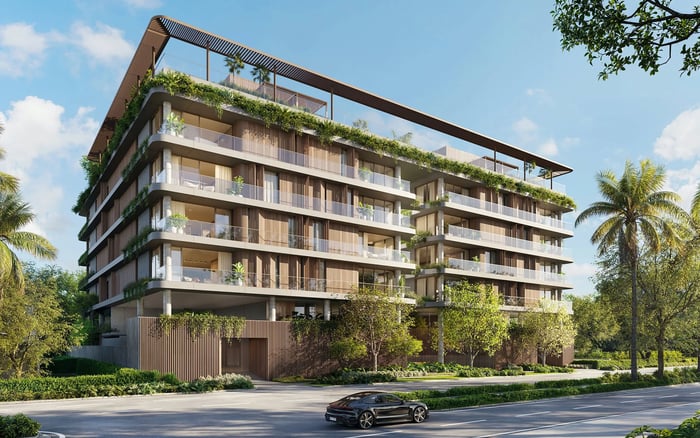
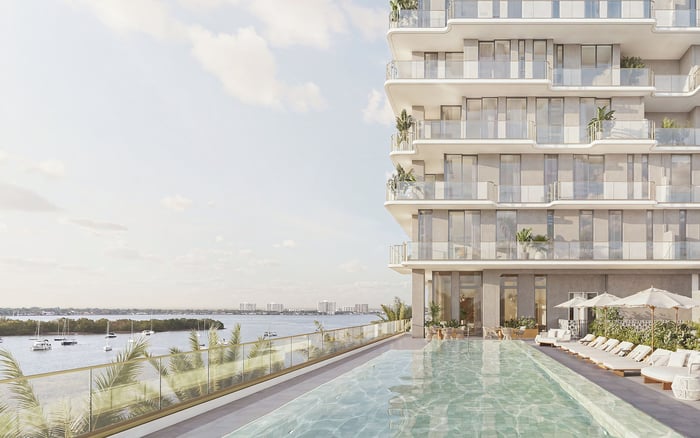
Mila’s boutique scale and full-floor penthouse offering invite a closer reading of value. Buyers should distinguish asking prices from valuation evidence, examine comparable-property differences, and document customization without assuming its cost will be recovered.
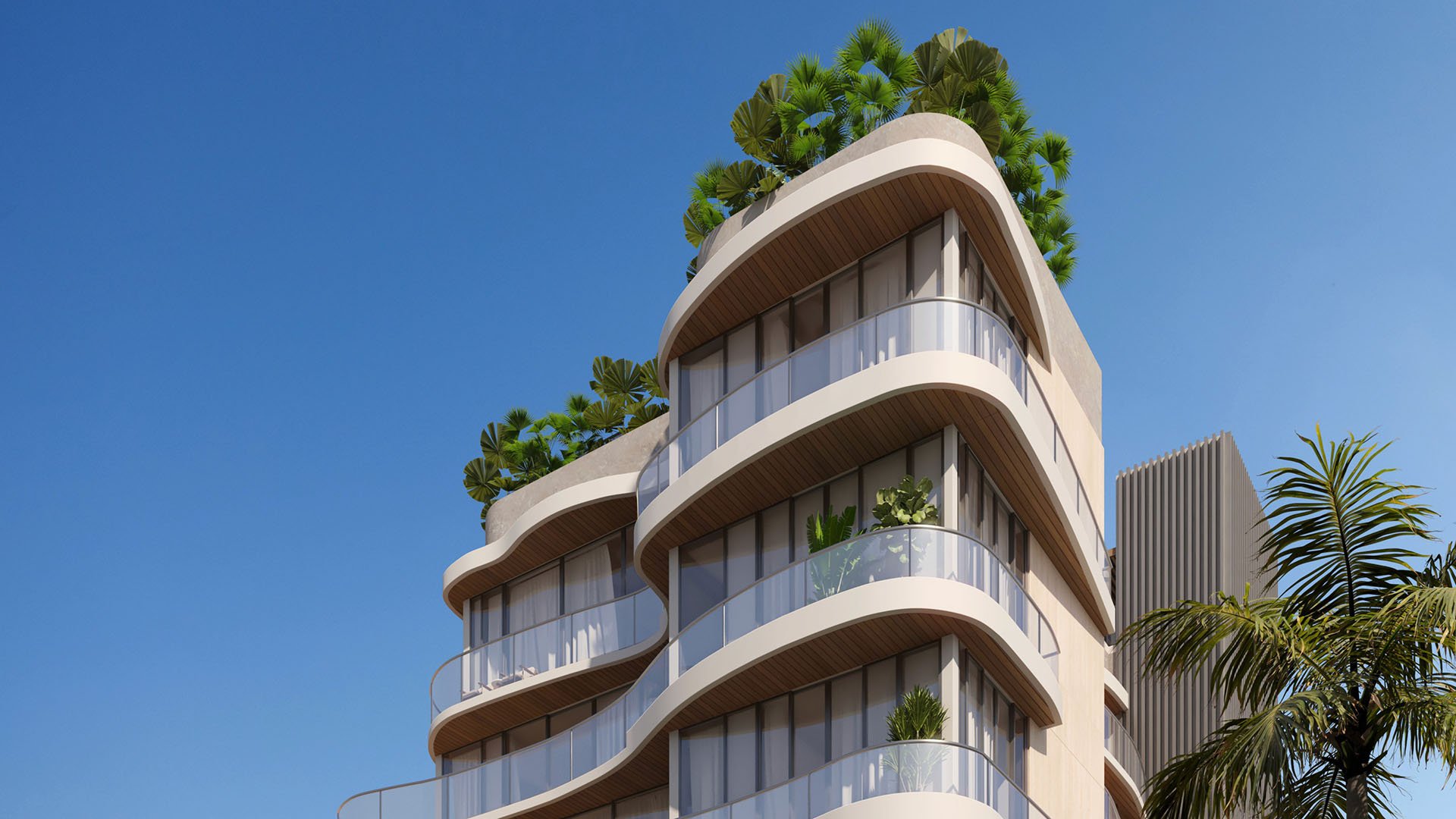
The appeal of Mila Bay Harbor Islands is intimate rather than expansive: an eight-story condominium marketed with just nine residences, full-through plans and private elevator arrivals. Its interior-street setting at 1125 97th Street is part of that identity. For a buyer considering its penthouse, the valuation conversation should begin with those particulars-not a generalized notion of Bay Harbor Islands luxury.
Mila’s advertised homes range from two to four bedrooms and approximately 2,123 to 3,919 square feet. Islands Development Group is the developer, with Kobi Karp credited for architecture and interiors. These details define the offering; they do not independently establish a premium. The question is how a valuation connects the residence’s attributes to relevant transaction evidence.
A distinctive home deserves a specific explanation of value, particularly when privacy, expansive living areas and individualized interiors are central to the purchase decision. Personal desirability and an independently supported valuation need not align.
Penthouse 601 is advertised as a full-floor residence with four bedrooms, 4.5 bathrooms and approximately 3,919 square feet, at an asking price of $4.81 million. Unit 402, a three-bedroom residence, is advertised at $2.35 million. These figures describe two offerings; they do not isolate what a buyer is being asked to pay for height, privacy or a particular view.
Treating the difference as a measured penthouse premium would be misleading. Bedroom count, overall size, configuration and other residence-specific attributes require examination before drawing that conclusion. Neither asking figure should be treated as a completed sale price or an appraised value.
Ask which closed transactions support the valuation conclusion and why those residences were selected. How closely do they resemble a full-floor home? What differences remain? If smaller units are included, ask how size and layout were considered rather than accepting a simple extrapolation from their price per square foot.
The goal is not to insist on the highest possible number. It is to understand why the conclusion is persuasive for this particular residence.
Mila’s interior-street location deserves explicit attention whenever waterfront or oceanfront properties enter the discussion. A nearby address does not make two residences interchangeable. Ask whether the analysis distinguishes the setting itself from a particular unit’s outlook, and what evidence supports any resulting adjustment.
AIRE Residences, marketed as a seven-story waterfront condominium with eight residences, offers a useful illustration. Its boutique scale invites investigation; its waterfront position requires separate scrutiny. Pool Haus presents another configuration: four marketed homes with private plunge pools, including two penthouses. Neither project should be treated as an established appraisal comparable merely because it is nearby or limited in scale.
A buyer also considering Alana Bay Harbor Islands should apply the same discipline: first determine whether relevant completed transactions exist, then examine residence-level differences. A shopping alternative is not automatically valuation evidence.
For each proposed comparable, request an explanation of transaction timing, size, floor, layout, setting, amenities and finishes. Where several attributes differ at once, ask how the analysis separates their effects rather than folding them into an unexplained luxury premium.
Mila advertises dual terraces with exposures on opposite sides of its residences. Alongside full-through layouts and private elevator arrivals, these features help define the living experience. They merit more precise questions than whether another condominium has outdoor space or elevator access.
Ask how interior and terrace areas are identified in the comparison. Are outdoor spaces evaluated for their configuration and usefulness, or simply their presence? Does the selected residence offer a similar arrival sequence and relationship between living areas and bedrooms? These are questions to investigate, not grounds for prescribing a fixed adjustment.
The same care applies to shared amenities. Mila markets a rooftop deck, a landscaped fitness and wellness garden, and secure covered parking. Compare the nature of those offerings rather than counting amenity names. A shared rooftop deck and a private plunge pool offer different experiences; their treatment in the analysis deserves explanation.
If Bay Harbor Towers is also on the buyer’s shortlist, keep the lifestyle comparison distinct from the appraisal analysis. The first helps clarify preferences. The second requires evidence for any claimed difference in value.
Mila’s marketed finishes include spa-inspired bathrooms, impact glass and curated high-end interiors. Before evaluating proposed customization, establish what the original residence specification includes. Otherwise, the distinction between the base offering and a purchaser’s additional choices becomes difficult to assess.
For a buyer planning bespoke work, request a clear schedule of proposed changes, itemized costs and plans describing the finished residence. Ask which elements would be treated as part of the property being valued and whether the appraisal assumes that work is complete. Keep those assumptions aligned with the actual purchase and construction documents.
Cost and market recognition are separate questions. Rather than assuming dollar-for-dollar recovery, ask what comparable evidence supports a contribution to value. A finish selected for personal enjoyment need not justify itself through resale, but the buyer should understand that distinction before committing the budget.
Kobi Karp’s design credit is part of Mila’s identity, not an automatic valuation adjustment. Similarly, the word bespoke should prompt questions about the actual work-not substitute for an assessment of it.
Mila’s advertised completion target is the fourth quarter of 2027, not a confirmed delivery date. That distinction belongs in the valuation conversation. Ask what condition of the residence is being evaluated, which completion assumptions are used and how the proposed finishes are described.
Before relying on a valuation, review those assumptions with the appropriate appraisal, lending and legal professionals. If financing is involved, clarify how the lender will use the valuation and what the purchase agreement says about any difference between price and appraised value. Do not infer financing protection from the appraisal alone.
The strongest buyer position is informed rather than adversarial: a clearly defined residence, thoughtfully selected comparisons and transparent reasoning for material differences. At Mila, that approach leaves room for personal preference while keeping the financial decision grounded.
For a discreet perspective on Mila and South Florida’s exceptional residences, explore MILLION.
If branded residences are on your mind — as a home or as an allocation — we would be glad to share what we are seeing, privately.
Begin a quiet conversationMila is marketed as an eight-story boutique condominium with nine residences at 1125 97th Street in Bay Harbor Islands.
Penthouse 601 is advertised as a full-floor residence with four bedrooms, 4.5 bathrooms and approximately 3,919 square feet, asking $4.81 million.
No. An asking price describes an offering, while a valuation requires its own supporting evidence and explanation.
Its advertised $2.35 million asking price does not isolate a penthouse premium. Size, bedroom count, configuration and other differences require examination.
Mila occupies an interior-street setting. Waterfront and oceanfront properties therefore require careful differentiation when considered for comparison.
They are potential research candidates, not established comparables. Relevant completed transactions and residence-specific differences would need evaluation.
Its marketed full-through plans, private elevator arrivals and dual terraces deserve examination alongside size, floor, setting, amenities and finishes.
Buyers should not assume dollar-for-dollar recovery. Ask what evidence supports a contribution to value and how proposed work is reflected in the appraisal assumptions.
No automatic premium should be assumed. The design credit identifies part of the offering, but a valuation adjustment needs supporting evidence.
The advertised completion target is the fourth quarter of 2027. It should not be treated as a confirmed delivery date.