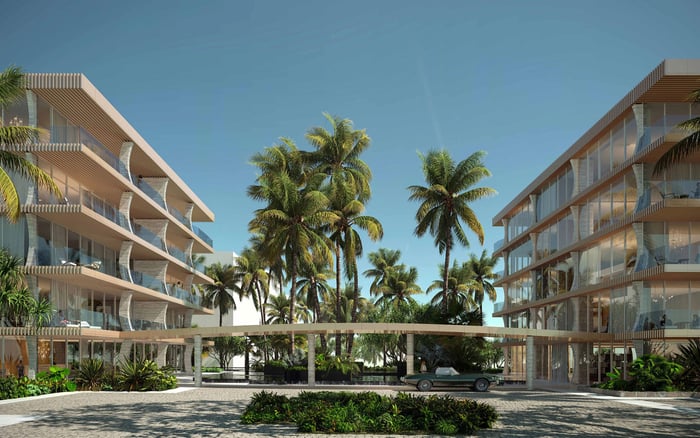
A discreet buyer’s guide to evaluating wellness concierge services in Palm Beach, from privacy and staffing to daily routines, guest protocols, pets, pools, and second-home living.
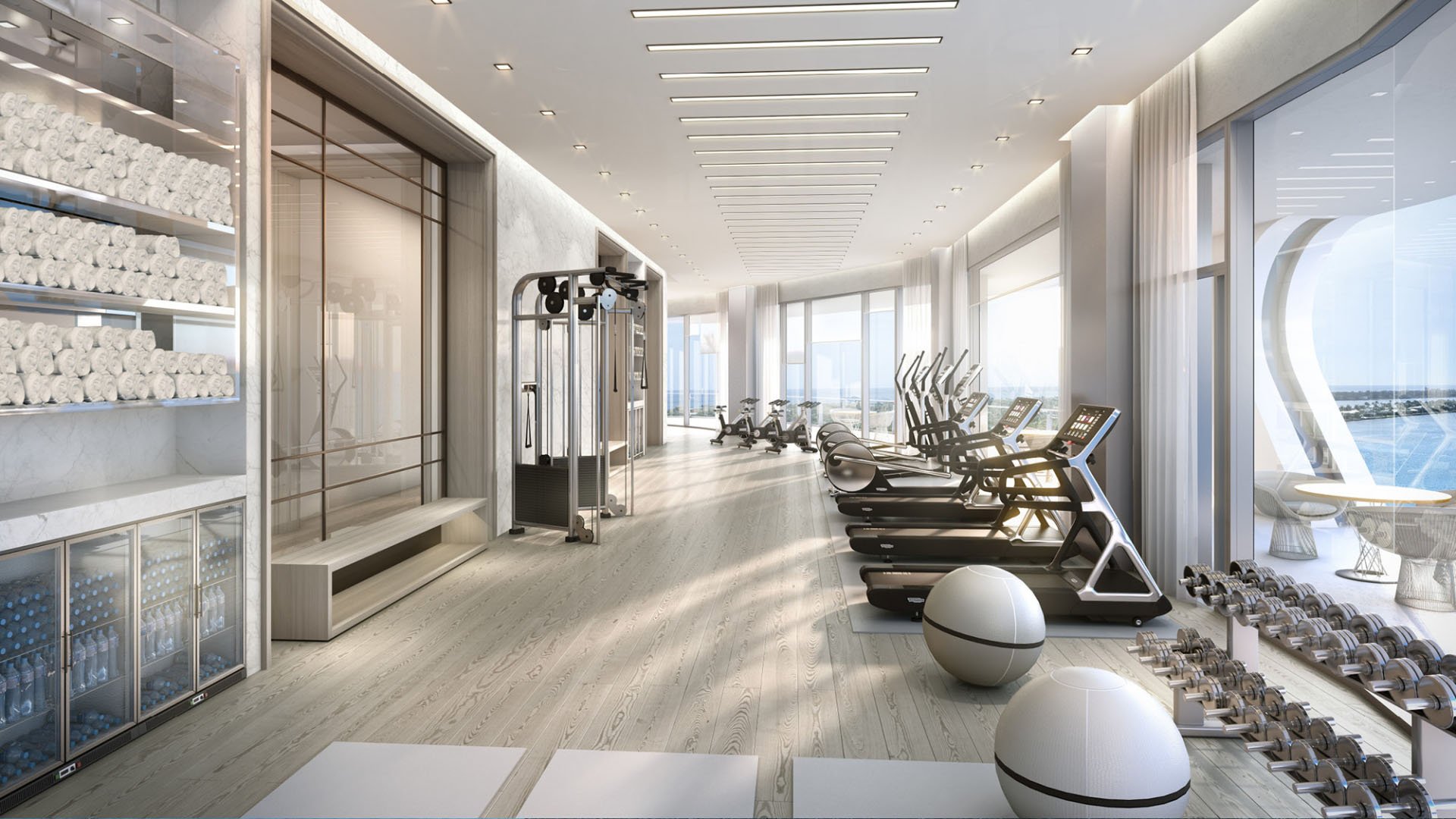
Living in Palm Beach has always been about more than square footage. For the luxury buyer, the decision increasingly centers on how a residence supports a daily rhythm: early movement, restorative privacy, guest readiness, thoughtful service, and the ability to arrive and depart without friction. Wellness concierge sits at the center of that conversation.
The phrase may sound simple, but buyers should treat it as a serious operating system. A meaningful wellness concierge program is not defined by a glossy service menu. It is defined by how discreetly those services are delivered, who is accountable, how requests are handled, and whether the experience feels natural within the residence rather than imposed upon it.
For a Palm Beach buyer, the essential question is not whether wellness is available. It is whether the offering is tailored enough to protect time, privacy, and preference.
Before falling in love with a promise, ask for plain language. Does wellness concierge mean scheduling fitness sessions, coordinating recovery services, arranging in-residence treatments, managing spa appointments, assisting with nutrition preferences, or simply directing residents to third-party providers? Each version can be valuable, but they are not interchangeable.
A sophisticated buyer should request a sample service menu and ask what is handled in-house versus referred externally. If services are coordinated through outside providers, ask how those providers are vetted, how access is granted, and whether residents may use their own practitioners. The best answer is rarely the longest one. It is the one that clarifies responsibility.
Also ask whether wellness requests are handled by a dedicated person, a general residential team, or a broader concierge desk. A highly personal routine benefits from continuity. If you prefer a specific trainer, therapist, chef, or medical-adjacent support professional, the building or estate team should be able to explain how your preferences are documented and protected.
In Palm Beach, wellness is often intimate. It may involve bodywork, recovery, personal training, nutrition, health routines, or family scheduling. Buyers should ask how information is handled. Who sees the request? Where is it recorded? Can household staff coordinate directly? Are guest names, provider names, and timing kept discreet?
Privacy also extends to physical movement. Ask where providers enter, where they wait, how they are escorted, and whether appointments can be arranged without creating unwanted visibility. A beautifully designed amenity space can lose its appeal if access feels public or operationally awkward.
For buyers comparing Palm Beach with West Palm Beach, Boca Raton, or other South Florida addresses, the same principle applies: privacy is not a mood. It is a protocol. The more personal the service, the more important the system behind it becomes.
Access is the ability to book something. Personalization is the ability to have it anticipate you. Luxury buyers should ask whether wellness concierge can remember preferences, including preferred appointment windows, room temperature, music, trainer type, dietary restrictions, preferred vendors, and recovery routines.
This is where a residence begins to feel effortless. If the concierge can coordinate a massage after travel, prepare a fitness room before arrival, align a chef with nutritional preferences, and confirm guest spa timing without repeated explanation, the service becomes part of the home’s value.
Still, personalization must be consent-based. Ask what information is saved, who may update it, and how easily it can be removed. A discreet residence should never confuse attentiveness with overreach.
Palm Beach living can be highly seasonal. Even without relying on specific calendars, buyers understand that certain weeks feel more active, social, and guest-driven. Wellness concierge should not weaken precisely when it is most needed.
Ask how bookings are prioritized during busy periods. Are residents given preferred access? Are there cancellation windows? Can recurring sessions be protected? Is there a waitlist system? If multiple household members want services at the same time, who manages the sequence?
The goal is not to demand perfection. It is to understand capacity. A small, well-run program may outperform a broad but vague offering if it communicates clearly, confirms promptly, and manages expectations with grace.
Wellness concierge is only as useful as the residence it supports. A buyer should examine floor plan, arrival sequence, service access, storage, staff circulation, and the relationship between private rooms and shared amenities. If treatments are expected inside the residence, is there a suitable room with privacy? If fitness is central, is there space for equipment, stretching, or recovery? If outdoor living matters, how does the terrace or garden support calm rather than exposure?
Pool access should be evaluated in practical terms. A beautiful pool is valuable, but ask how lap time, family use, guest use, towels, service, and quiet hours are handled. If the lifestyle includes oceanfront walks, sunrise routines, or water-facing meditation, ask how the residence supports those rituals before and after the experience.
For many buyers, wellness is not one room. It is the choreography between bedroom, bath, terrace, kitchen, elevator, car, beach, and staff support.
A wellness concierge program must be tested against real life. If the residence will host children, parents, friends, or extended family, ask whether guests may book services, how permissions are handled, and whether charges can be assigned to the owner. A gracious household becomes complicated if every request requires owner intervention.
Pets deserve a specific conversation. Buyers should ask whether pet walking, grooming coordination, veterinary transportation, or pet-friendly wellness routines can be supported. Even if the program does not provide those services directly, the concierge should be able to explain what is permitted and how outside providers are managed.
For a second home, the questions become sharper. Can the team prepare wellness spaces before arrival? Can preferred groceries, supplements, flowers, filtered water, or spa products be coordinated? Can equipment be inspected after periods away? The best second-home service feels present before the owner is.
A buyer should leave the tour with specific answers, not impressions. Ask who runs wellness concierge, what services are included, which services carry additional fees, how providers are vetted, how privacy is protected, and how complaints are resolved. Ask whether there is a written service standard. Ask how quickly requests are acknowledged and what happens when a preferred time is unavailable.
Also ask about insurance, licenses where relevant, building access rules, cancellation policies, gratuity expectations, guest permissions, and the relationship between residential management and wellness providers. These questions may feel operational, but they are precisely what separates genuine service from lifestyle marketing.
The most refined programs make daily life easier without asking to be noticed. They do not overwhelm the owner with options. They create a quiet structure in which the owner’s routine can unfold.
The right wellness concierge experience should feel calm, specific, and credible. The team should be able to describe not only what can be arranged, but how it happens. They should understand discretion, timing, family complexity, and the difference between a one-time request and an ongoing preference.
Buyers should be wary of answers that sound glamorous but remain vague. A promise to arrange anything is less useful than a clear explanation of three things done exceptionally well. In the upper tier of the market, restraint is often the tell. The best service language is precise, not theatrical.
Ultimately, wellness concierge should support the way a buyer wants to live in Palm Beach: privately, beautifully, and with less friction. When it is well designed, it becomes almost invisible. That invisibility is the point.
What should luxury buyers ask first about wellness concierge? Ask what services are included, who delivers them, and which requests require outside providers or extra fees.
Is wellness concierge the same as a spa amenity? No. A spa is a place or treatment offering, while wellness concierge is the service layer that coordinates routines, access, and preferences.
How important is privacy in a wellness program? It is essential because wellness requests can involve personal routines, health preferences, household schedules, and private guests.
Should I ask about provider vetting? Yes. Buyers should understand how trainers, therapists, chefs, and other providers are approved, scheduled, and granted access.
What does oceanfront living change about wellness concierge? Oceanfront routines may add needs around timing, towels, recovery, outdoor privacy, and service coordination before or after beach use.
How should I evaluate a pool as part of wellness? Ask about hours, quiet use, guest rules, lap swimming expectations, service support, and how peak demand is managed.
Do pets affect wellness concierge planning? Yes. Ask whether pet care coordination, access for pet providers, and pet-related household routines can be handled discreetly.
Why does a second home need a stronger concierge plan? A second home often requires pre-arrival preparation, routine maintenance checks, stocked preferences, and smooth re-entry after time away.
Can guests use wellness concierge services? Often this depends on the residence rules, so ask how guest permissions, billing, scheduling, and privacy are handled.
What is the sign of a truly refined wellness concierge program? It provides clear answers, discreet execution, consistent communication, and a sense that the home is ready before you ask.
When you're ready to tour or underwrite the options, connect with MILLION.
If branded residences are on your mind — as a home or as an allocation — we would be glad to share what we are seeing, privately.
Begin a quiet conversation