Club-centric living can be a powerful lifestyle filter in South Florida, but buyers should evaluate governance, access, dues, transferability, daily habits, and resale fit before making it the deciding factor.
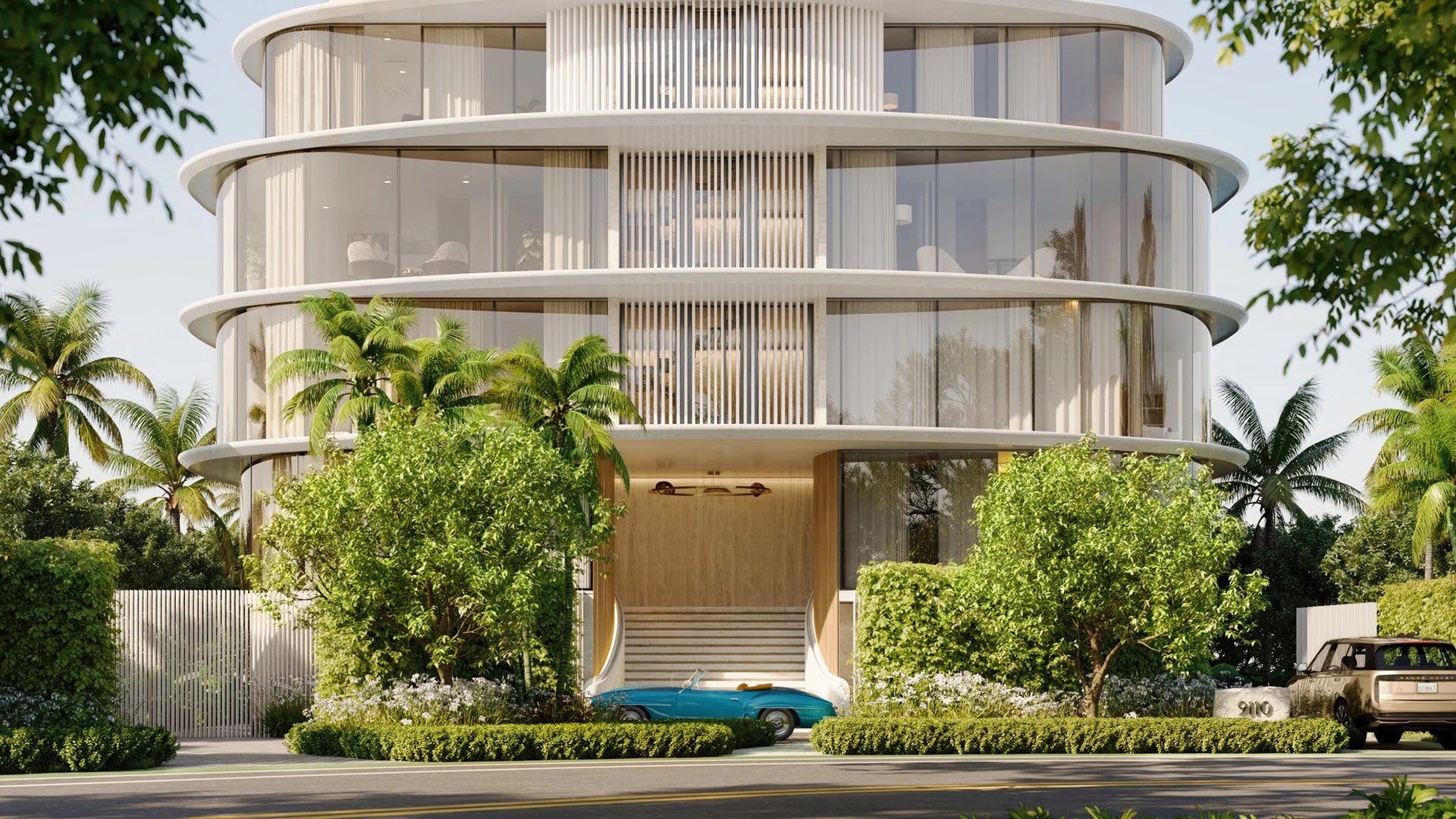
In South Florida, club-centric living has moved from a pleasant amenity to a defining part of the residential conversation. For many buyers, the appeal is immediate: dining without a reservation scramble, a familiar wellness routine, curated social programming, golf, tennis, marina access, beach service, and a sense of belonging that extends beyond the front door. At its best, the experience feels effortless, civilized, and deeply personal.
Still, a club should never become a shortcut for due diligence. It can enrich daily life, but it cannot offset a residence that is poorly suited to your needs, a location that complicates your week, or ownership terms that do not align with your long-term plans. In a luxury purchase, the question is not simply whether the club is impressive. The sharper question is whether the club will remain valuable after the novelty settles into routine.
The most useful test is deceptively simple: measure the club against your real life. If your mornings revolve around training, school drop-off, office calls, and a quick swim, a wellness-forward club may matter more than formal dining. If weekends are built around boating, a marina orientation may outweigh a large social calendar. If you entertain across generations, guest policies and family programming may matter more than the prestige of exclusivity.
Buyers often fall for the idea of a life they admire rather than the one they will actually live. A club that is exceptional for seasonal entertaining may be less compelling for a primary resident who needs daily convenience. A club that feels serene in the afternoon may be crowded at peak times. Before making club access decisive, imagine three ordinary weeks, not one perfect holiday weekend.
Club language can be elegant, but buyers should press for precision. Membership may involve different categories, initiation expectations, recurring dues, capital assessments, minimum spends, guest limits, reservation rules, and restrictions on transfer. Some benefits may be tied to ownership, while others may require separate approval. Some privileges may pass to a buyer, while others may not.
The legal and financial structure matters because it shapes both lifestyle and exit strategy. If membership is mandatory, the cost should be treated as part of the carrying profile. If it is optional, the waitlist or approval process may affect how quickly a buyer can enjoy the experience. If access is limited or non-transferable, the club’s resale value proposition may be narrower than expected.
For high-net-worth buyers, the issue is rarely affordability alone. It is control. The more a lifestyle depends on third-party governance, the more important it becomes to understand how decisions are made, how policies change, and what obligations may emerge over time.
A beautiful clubhouse can distract from the fundamentals of the home. Exposure, ceiling height, floor plan, acoustics, privacy, service circulation, parking, storage, and outdoor space still determine how a property lives. In condominiums, the elevator experience, staff depth, building maintenance, reserve planning, and resident culture can be just as important as the club component.
This distinction matters in areas where lifestyle narratives are especially strong. In Miami Beach, buyers may be drawn to ocean, dining, and wellness energy, but the residence still has to solve for privacy and ease. In Boca Raton, club traditions may carry deep appeal, yet the right home should still match commute patterns, family needs, and architectural preference. In Fisher Island, exclusivity may be part of the identity, but day-to-day logistics deserve as much attention as the social environment. In Coconut Grove, a village-like rhythm can be compelling, though buyers should still evaluate street character, access, and the feel of the residence itself.
A club can elevate a property. It should not be used to forgive compromises that will become more noticeable with time.
Luxury is often measured by how a property performs when everyone wants the same thing at once. Saturday morning courts, holiday dining, school-break pool hours, high-season fitness classes, dock activity, and major social events reveal the operational reality of a club. The polished tour is useful, but peak conditions tell a more complete story.
Buyers should ask practical questions. How are reservations handled? Are certain amenities restricted by category? Are there blackout periods? How many guests can accompany a member? Are children treated as full participants, limited users, or a separate category? Are there quiet areas for adults? How does the club handle private events that may affect regular access?
These details are not trivial. They determine whether the club feels like an extension of home or another calendar obligation to manage.
Every club has a culture. Some are formal and tradition-led. Some are fitness-oriented and contemporary. Some emphasize family life. Others are intentionally discreet. Culture can be a remarkable asset when it fits, but it can feel limiting when it does not.
Governance is the mechanism by which that culture evolves. Buyers should understand who controls policy, how leadership is selected, how improvements are funded, and whether major changes require member input. A club with an ambitious renovation plan may be exciting, but it may also bring assessments, disruption, or a shift in tone. A club that feels timeless may help preserve value, but it may also be slower to adapt.
The best fit is not necessarily the most famous club. It is the one whose operating philosophy aligns with how you expect to live, host, relax, and belong.
Club-centric living can sharpen a property’s identity, but it can also narrow the buyer pool if obligations are high or rules are restrictive. Resale strength depends on how many future buyers will view the club as a benefit rather than a burden. A passionate golfer may see golf access as essential. A non-golfer may focus on dues, location, and whether the home works independently of the course. A boating family may prize marina convenience. Another buyer may prefer waterfront views without the operational complexity.
The most resilient properties tend to offer layered appeal. They are desirable because of the residence, setting, services, privacy, and architecture, with the club acting as an enhancement rather than the entire thesis. If the club disappeared from the conversation, the property should still make sense.
This is especially important for buyers who may convert a primary residence into a second home, shift family priorities, or resell into a different market mood. Lifestyle should lead the decision, but liquidity should remain in view.
Before treating club-centric living as the deciding factor, define its role. If the club is additive, it enhances an already strong purchase. If it is essential, the home must be evaluated through a more demanding lens because the buyer’s satisfaction depends on continued access, stable rules, and consistent operating quality.
There is no universal answer. For some households, club life is the center of community, wellness, sport, and entertaining. For others, it is a pleasant amenity used occasionally. The danger is not choosing a club-oriented residence. The danger is overvaluing the concept without testing the details.
A disciplined buyer should leave the process with clarity on three points: how often the club will be used, what it truly costs in money and flexibility, and whether the underlying real estate stands on its own. When those answers align, club-centric living can be one of South Florida’s most rewarding ownership experiences.
Should club access be a deciding factor in a luxury home purchase? It can be, but only when the club matches your daily lifestyle and the residence remains compelling on its own.
What should buyers review before relying on a club membership? Review dues, initiation expectations, guest rules, transferability, reservation systems, governance, and any potential assessments.
Is mandatory membership a negative? Not automatically. It may support a strong shared lifestyle, but the cost and obligations should be evaluated as part of total ownership.
How can a buyer assess club culture? Visit at different times, ask detailed lifestyle questions, and consider whether the atmosphere feels natural for your household.
Do club amenities always improve resale value? Not always. Resale depends on whether future buyers see the club as a benefit, rather than an added restriction or cost.
What matters more, the club or the residence? The residence should come first. A club can enhance ownership, but it should not excuse weak floor plans, poor privacy, or an inconvenient location.
Should seasonal buyers think differently? Yes. Seasonal buyers should focus on peak-period access, guest policies, event calendars, and whether the club works during their actual visits.
Are family needs important in club-centric communities? Very important. Programming, guest rules, children’s access, and quiet areas can strongly influence daily satisfaction.
How should buyers compare different club models? Compare what you will use weekly, what costs recur, how rules may change, and how each club supports your long-term plans.
What is the simplest test before choosing club-centric living? Ask whether you would still want the property if the club were less central to the decision.
To compare the best-fit options with clarity, connect with MILLION.
If branded residences are on your mind — as a home or as an allocation — we would be glad to share what we are seeing, privately.
Begin a quiet conversation