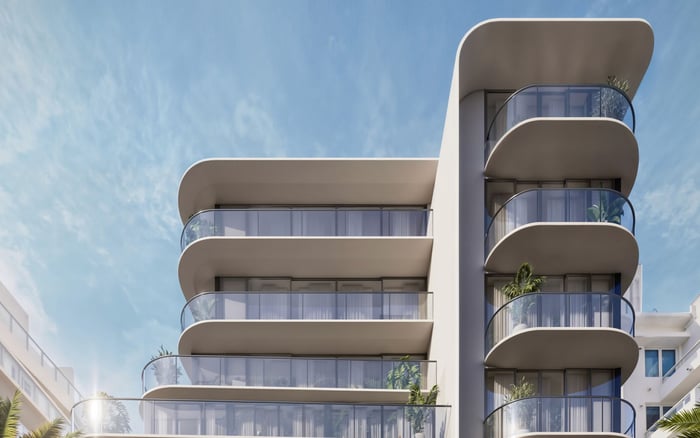
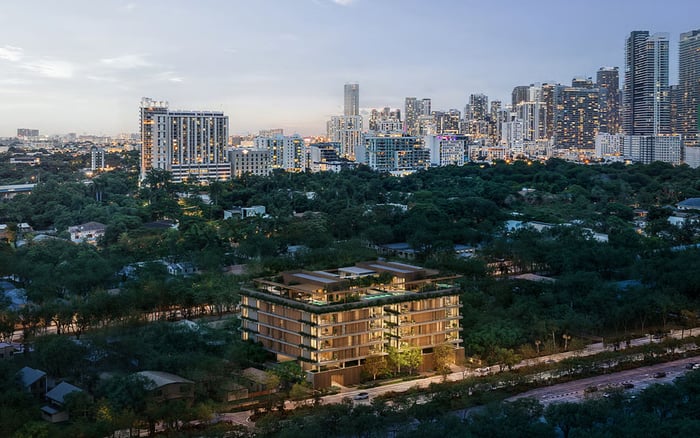
A buyer-focused framework for documenting post-storm inspections, emergency entry, absent-owner authority and vendor mobilization at ALMA and MILA, with separate diligence files for each development.

For a buyer who divides time between residences, confidence rests on more than finishes or floor plans. It means knowing who can enter, who can assess a concern and who can authorize work when the owner is elsewhere. At ALMA and MILA, the starting point is a written chain of responsibility-not an assumption that boutique scale guarantees personal oversight.
Buyers evaluating Alma Bay Harbor Islands and Mila Bay Harbor Islands should request property-specific documentation rather than assume shared management, insurance, contractors or emergency procedures.
Keep a separate diligence file for each property. The questions below are requests for documentation, not assertions of storm damage, service failures or existing contractual protections at either development.
Ask for the proposed or adopted post-storm inspection protocol that applies to the residence. Identify who orders the inspection, who performs it and what must happen before access is considered safe. Any requested timetable should depend on lawful, safe access-not an unconditional promise of immediate entry.
The written scope should distinguish a visual condition check from a specialist investigation. Ask whether the initial visit would cover visible water intrusion, windows and doors, accessible interior finishes and relevant building systems. Have the responsible professional identify areas that require separate expertise and those that cannot be accessed during an initial visit.
Request a sample inspection record with dated photographs, room or location identifiers, the observer's name and a clear list of inaccessible areas. An unchecked space should not disappear into a general statement that the residence looks satisfactory. Ask how observations would be escalated, who would decide whether further investigation is necessary and how the owner would receive updates.
For either property, request a scope matched to the actual layout, rather than a generic checklist that assumes every residence has the same inspection needs.
Owner absence deserves its own written arrangement. Ask counsel and the responsible management representative to distinguish emergency-entry authority from permission for a routine visit or an outside vendor. Do not assume a key held on site resolves all three.
Request a record naming the primary owner contact, an alternate decision-maker and the person authorized to coordinate access. Specify how identity will be verified, how entry will be logged and how keys or credentials will be controlled. Keep sensitive access details in a secure location, separate from broadly circulated instructions.
Ask what happens if neither the owner nor the alternate answers. The response should identify permitted actions, approval limits and the governing document or signed authorization supporting them. A service preference is not legal authority to enter or spend.
Keep municipal emergency contacts separate from private property contacts. Public emergency services are not a substitute for a residence-specific inspection or vendor arrangement.
A vendor directory is a starting point, not proof of availability. Request the actual engagement terms for any proposed emergency contractor: who may dispatch the team, whether priority service is contractual and what conditions could delay attendance. Clarify whether a response commitment means acknowledging a call, arriving on site or beginning work.
For each relevant trade, ask for current credentials and insurance documentation appropriate to the assignment, a primary contact and an alternative provider. Ask who checks building access requirements, coordinates any necessary approvals and confirms that the vendor's proposed scope falls within its expertise.
Before authorizing an arrangement, seek written clarification of these practical responsibilities:
Authority to approve temporary protective work when the owner is unreachable.
Pricing, deposits or emergency charges that require additional consent.
Responsibility for recording attendance, work performed and follow-up needs.
Buyers also considering Alana Bay Harbor Islands can use the same questions to compare documentation. Compare the terms offered by each property; do not presume equivalent service based on location.
Ask for the applicable association insurance documents and the responsibility provisions in the governing documents. Have a qualified insurance adviser review the proposed owner's coverage. Seek written clarification of relevant deductibles, exclusions, notice requirements and the allocation of responsibility between the association and the residence owner.
Do not treat authorization to begin work as confirmation that an insurer will pay. Ask who gives claim notice, who communicates with the insurer and what documentation should accompany emergency work. The aim is to coordinate protective action with the applicable policy requirements, not to prescribe a universal sequence for every loss.
Request the relevant budget and reserve information, then ask how emergency expenses would be funded and approved. Document any owner-level spending ceiling separately from association authority. Neither a marketed residence count nor architectural authorship establishes available reserves, deductible exposure or financial readiness.
Where a procedure remains proposed, label it accordingly in the buyer's file. Ask which entity is responsible for putting it in place, when the final version should be delivered and whether the purchase documents address that obligation. Distinguish a sales discussion from an executed agreement or adopted policy.
For MILA, ask counsel to confirm the proper counterparty for each requested commitment. Do not assume that the developer, future association and service provider are interchangeable.
For ALMA, conduct the same entity-by-entity inquiry independently. One property's correspondence or operating documents should not be treated as applicable to the other without confirmation.
Before closing or beginning an extended absence, assemble the agreed inspection scope, access permissions, contact hierarchy, vendor terms and insurance instructions in one controlled file. Keep signed versions identifiable and ask who is responsible for updating each document.
A useful final exercise is a hypothetical storm scenario: access becomes permissible, the owner is overseas and an observer identifies a concern. Ask the responsible parties to explain the next call, the approval needed and the record created. Each unanswered step becomes a follow-up item, not an assumed service.
The objective is discreet, documented continuity: a residence whose response arrangements are as carefully considered as its interiors.
For a considered approach to Bay Harbor Islands ownership, explore your options with MILLION.
If branded residences are on your mind — as a home or as an allocation — we would be glad to share what we are seeing, privately.
Begin a quiet conversationA document for one property does not establish the arrangements at the other. Request property-specific inspection, access, insurance and vendor records.
Yes, request a scope matched to the actual layout and accessible areas. Ask the responsible professional to identify items requiring specialist review.
Shared procedures are not established here. Buyers should request separate management, insurance, access and vendor documentation for each property.
Request dated photographs, location identifiers, the observer's name, inaccessible areas and an escalation path. Ask that visual observations be distinguished from specialist findings.
No. The inspection and response topics are buyer due-diligence questions, not assertions of damage or operational failures.
Clarify emergency entry, routine visits and outside-vendor access separately. Record authorized contacts, entry controls and the actions permitted if the owner cannot be reached.
Written terms should distinguish call acknowledgment, arrival and commencement of work. Ask about dispatch authority, availability conditions, pricing and alternative providers.
Yes. Permission to commission work does not confirm insurance reimbursement, so buyers should review both approval authority and applicable coverage requirements.
Label it as proposed and ask who must finalize it and when. Have counsel distinguish sales discussions from contractual obligations and adopted policies.
Keep the agreed inspection scope, entry permissions, contact hierarchy, vendor terms and insurance instructions in a controlled file. Identify who updates each document and test the arrangements with a hypothetical scenario.