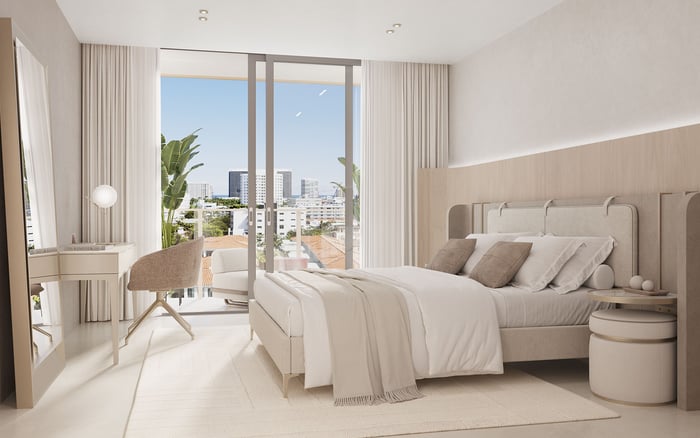
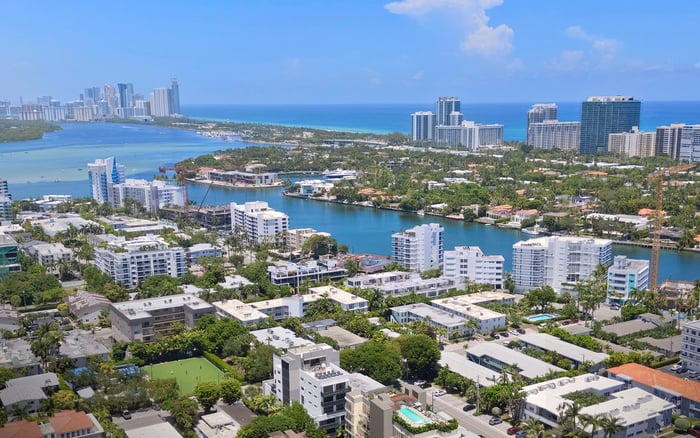
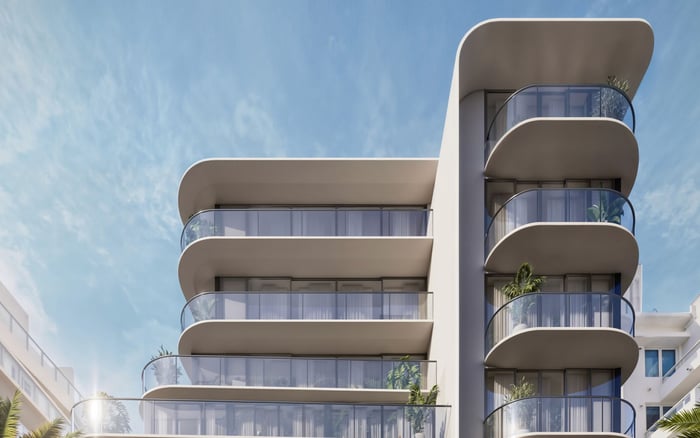
MILA’s nine-residence scale and private elevator entries establish an architectural approach to privacy. An ownership review should go further, examining access permissions, system administration, event logs, and written resident-data retention policies.
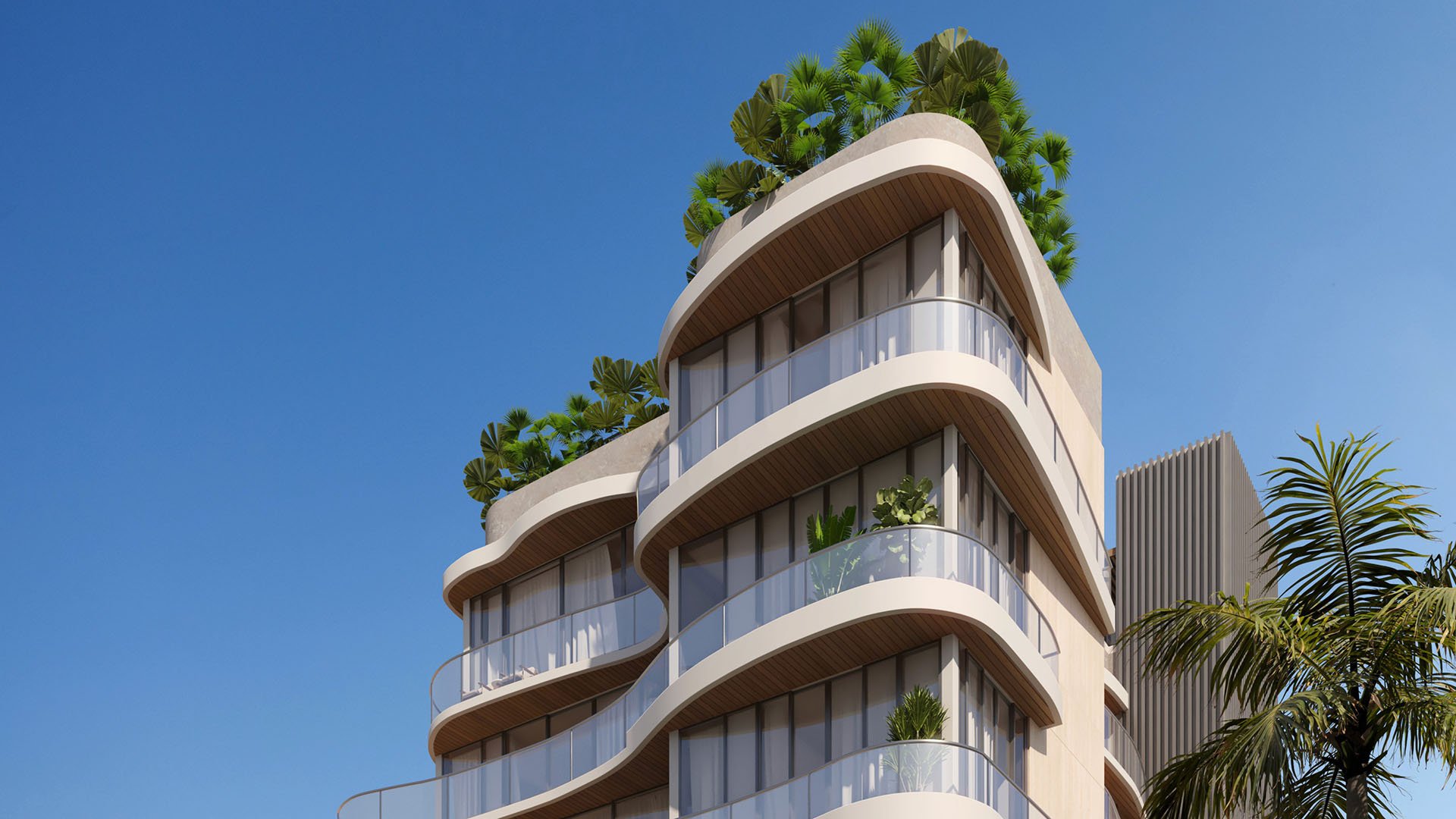
At Mila Bay Harbor Islands, the ownership proposition begins with intimacy: nine advertised residences, private elevator entry, and east-to-west terraces. For a buyer who values discretion, those features merit attention. They also invite scrutiny beyond the floor plan: who can authorize entry, what activity becomes a record, and how long that record remains accessible.
Architectural privacy and digital privacy are different propositions. A private arrival sequence does not establish how elevator permissions are configured, whether administrators use strong authentication, or whether a former service provider retains access. The sensible approach is neither suspicion nor reassurance by adjective, but a written review of the systems and responsibilities that support everyday ownership.
MILA is located at 1125 97th Street, Bay Harbor Islands, FL 33154, and is described as an eight-story building with full-through floor plans. The identified developer is Islands Development Group, and the design firm is Kobi Karp Architecture & Interior Design. Advertised features include covered parking, a rooftop pool, wellness areas, and summer kitchens.
The residence count matters. MILA and Alma Bay Harbor Islands are marketed together as two buildings with nine residences each. Eighteen is not MILA’s standalone total, and shared marketing is not evidence of shared technology or operating policies.
Private elevator entry and floor-to-ceiling impact glass address different aspects of the residential experience. Neither establishes cybersecurity performance. Likewise, custom lighting and smart-home options do not identify an automation platform, a network design, or the party responsible for maintaining connected equipment.
MILA’s advertised security features include a secure smart-access lobby, secured elevator, secured garage or parking, lobby intercom, secured lobby, and secured stairs. These descriptions are not a technical specification. They do not establish credential types, encryption standards, administrator permissions, or log-retention periods.
Ask which access-control vendor is specified and how residents, guests, staff, contractors, and emergency personnel receive access. Establish whether permissions differ by entrance, elevator destination, parking area, or amenity. For private elevator entry, ask precisely how access to a residence’s floor is authorized and withdrawn.
The practical test is an ordinary household scenario: a guest arrives, a housekeeper’s schedule changes, or a credential is lost. Request the procedure for each, including who approves changes and how revocation is confirmed. Do not assume mobile credentials, fobs, biometrics, or temporary passes are available. Ask which methods are actually specified.
Advertised rooftop amenities warrant the same scrutiny. Confirm guest rules and access hours rather than assuming that private residence entry defines access throughout the property.
Before discussing deletion, determine what is recorded. Request an event inventory covering doors, elevators, garage access, intercom activity, visitor registration, and administrative changes. For each system, ask whether it records successful entries, denied attempts, credential changes, or operator actions. These are diligence questions, not confirmed MILA capabilities.
Next, establish how an event connects to an individual. Does the record identify a resident, a visitor, a residence, or only a credential? Can information from separate systems be combined? Who can search, download, or export it?
Surveillance requires a separate answer. Camera installation, coverage, and recording arrangements are not established here. If cameras are included, request their locations and the rules for viewing and exporting footage. Access events and video are not interchangeable records; do not assume they share a retention period.
The disclosed project information does not establish an operational resident-data policy or retention schedule. That is a reason to request documentation, not a basis for concluding that safeguards are absent.
A useful schedule should distinguish access events, visitor records, intercom information, and surveillance footage, if collected. For each category, request the collection purpose, storage location, normal retention period, deletion method, and treatment of backups. Ask whether exports create additional copies and who is responsible for deleting them.
Clarify the exceptions, too. Who may preserve information following an incident or legal request? Who approves extended retention, and when is that decision reviewed? Request written procedures for resident, board, management, vendor, and law-enforcement access without assuming that every party has the same entitlement.
For a buyer weighing Bay Harbor Islands against Bal Harbour, this documentation offers a more meaningful comparison than security adjectives. If Bay Harbor Towers is also under consideration, apply the same questions independently; do not infer comparable systems or policies from the location.
For an owner who travels frequently, remote convenience should come with clear boundaries. Ask whether residence networks are isolated from building systems and how any smart-home options interact with shared infrastructure. Request details on vendor remote access, administrator authentication, permission reviews, and account removal when personnel change.
Software maintenance needs an explicitly responsible party. Establish who schedules updates, how unsupported equipment is addressed, and what assurance documentation vendors can provide. An elegant interface demonstration is no substitute for an explanation of the maintenance arrangements behind it.
Request an incident-response outline as well: who receives an alert, who can disable compromised credentials, how residents are contacted, and how access is handled during a system or connectivity interruption. The answers should identify responsible parties, not offer a general promise of support.
MILA’s legal developer entity is 1125 97th Bay Harbor Condo 2618 LLC. Advertised plans and features are subject to change, making purchase documents the appropriate place to verify what is actually promised. Keep physical security features, optional residence technology, and ongoing management services distinct in that review.
Examine condominium documents and relevant management and vendor contracts for data ownership, permitted uses, disclosure procedures, and responsibility after a management change. Ask how credentials, records, administrator accounts, and deletion obligations transfer when a vendor relationship ends. Have counsel assess the contractual allocation of these duties.
The most useful closing file would contain an access-permission description, a logging inventory, a retention schedule, and a responsibility matrix for maintenance and incidents. For each pending answer, record who must provide it and whether it affects the purchase decision.
MILA’s advertised scale and private entries offer a distinct architectural proposition. The digital counterpart should be equally clear: controlled permissions, defined uses of resident information, and accountable administration. That is the standard to request, not a performance claim to assume.
For a discreet conversation about ownership priorities in South Florida, connect with MILLION.
If branded residences are on your mind — as a home or as an allocation — we would be glad to share what we are seeing, privately.
Begin a quiet conversationMILA is located at 1125 97th Street, Bay Harbor Islands, FL 33154.
MILA advertises nine residences. The combined Alma and Mila total of 18 refers to two buildings, not MILA alone.
Private elevator entry is advertised for each residence. Buyers should separately confirm elevator floor permissions and the procedures for granting or withdrawing access.
It establishes an advertised access feature, not a detailed technical specification. It does not identify the vendor, authentication methods, encryption standards, or administrator safeguards.
Neither mobile credentials nor biometrics are established by the disclosed details. Request the actual credential types and lost-credential procedures.
The specific event inventory is not established. Ask which door, elevator, garage, intercom, visitor, and administrative events are recorded.
A retention period is not established by the disclosed project information. Request a written schedule covering ordinary deletion, backups, exported copies, and preservation exceptions.
Camera installation and recording arrangements are not established here. If cameras are included, confirm coverage and who can view or export footage.
No. The advertised smart-home options do not identify an automation platform or network-security configuration, so buyers should ask about isolation, remote access, and maintenance responsibilities.
Request access permissions, an event inventory, a data-retention schedule, and written maintenance and incident-response responsibilities. Review purchase documents, condominium documents, and relevant management and vendor contracts with counsel.