Discreet oceanfront living depends on more than attentive service. Before buying in Bal Harbour, verify unit-specific rental permissions, noise enforcement, access controls, and the maintenance commitments behind shared spaces.

For a buyer seeking discreet service in Bal Harbour, the defining luxury is not simply a gracious arrival. It is coming home without uncertainty about who shares the elevator, how a noise complaint is handled, or how carefully common areas are maintained. Those qualities deserve the same scrutiny as the residence’s views and finishes.
Whether your search includes Oceana Bal Harbour or another address, begin with documents and observations rather than assumptions about prestige. Rental flexibility, quiet enjoyment, security, and maintenance are separate questions. A permissive rental policy does not establish excessive wear, and a restrictive one does not guarantee tranquility.
Request the condominium declaration, current rules, and every applicable rental amendment. Ask management to identify the minimum lease term, maximum number of rentals annually, approval process, and guest policies for the specific unit. Distinguish paying tenants from visiting family and unaccompanied guests; do not assume one set of permissions covers all three.
Next, obtain written confirmation of Village compliance for your intended use. Clarify how the six-month minimum and vacation-rental certificate process apply to the residence, including whether shorter stays are lawful. Do not treat a certificate as automatically overriding a minimum lease term.
Before factoring rental income into the purchase, request the applicable certificate requirements and inspection checklist. Clarify advance application timing, potential inspections, business registration, and tax obligations with the appropriate authorities and your advisers. Building approval and municipal compliance must both be resolved.
The distinction between towers is particularly important at St. Regis Bal Harbour. Verify whether the Center permits a 30-day minimum and up to 12 rentals annually, and whether North and South require six-month minimums with up to two rentals annually. Treat these terms as verification prompts, not permission to rent a particular residence.
One Bal Harbour also requires unit-specific clarification. Resolve the conflict between daily rentals and six-month minimums with two rentals annually. Do not assume the difference reflects distinct components or that either set of terms remains current. Obtain the governing documents and a written answer for the unit under consideration.
Current rules are only part of the decision. Request recent board minutes addressing proposed changes to lease minimums, rental caps, or guest access. Ask which provisions have been adopted and which remain under discussion.
For a residence under consideration at Rivage Bal Harbour, apply the same document-first discipline: identify the rules governing your intended ownership and occupancy rather than borrowing expectations from another building.
Compare written policy with actual use. Ask management about owner-occupants, seasonal residents, rental activity, typical guest volume, and noise complaints. Request aggregate information where available, not private resident details. The objective is to understand the building’s rhythm, particularly during the months you expect to be in residence.
Request quiet-hour rules and the written guest-conduct package. Review provisions covering music, balconies, pool decks, pets, and garbage. Then ask management to explain the complaint-response sequence: who receives the call, how it is documented, and when warnings, fines, or security intervention may follow.
Enforcement matters as much as the wording. Ask who handles an after-hours complaint and how the resident receives follow-up. Seek available complaint information, but do not interpret an absence of disclosed records as proof of silence.
Request the construction calendar and renovation rules, including anticipated work in nearby units and common areas. Bal Harbour’s June 20, 2023, Chapter 11 amendments prohibited exterior construction noise on Saturdays. That provision alone does not establish a building’s interior renovation schedule or eliminate every source of weekend noise.
Walk the residence with its exposure in mind. Where applicable, locate hotel areas, event spaces, pools, service zones, valet entrances, and Collins Avenue relative to bedrooms and terraces. A second visit at a different time can test impressions formed during a quiet showing.
If your comparison extends to Fendi Château Residences Surfside, repeat this assessment using that property’s own documents and applicable local rules. Bal Harbour requirements should not be transferred to a Surfside purchase.
Evaluate a concierge’s attentiveness separately from a security team’s responsibilities. At One Bal Harbour, confirm whether security is staffed 24/7, and verify current visitor-screening and elevator-access arrangements. A service description does not establish the details of access control.
Request guest and contractor access policies. Ask about preregistration, front-desk check-in, elevator credentials, unaccompanied visitors, vendor hours, and service entrances. Have management explain how an expected guest, an unexpected visitor, and a contractor are handled differently.
Review parking and valet procedures in the same conversation. For Village vacation rentals, occupants are limited to parking areas designated on the applicable certificate’s plan. Clarify how that requirement applies to the residence and how guest vehicles are accommodated.
The goal is not to obtain sensitive security details. It is to understand the resident-facing procedures that preserve privacy while allowing invited guests and household services to move through the property appropriately.
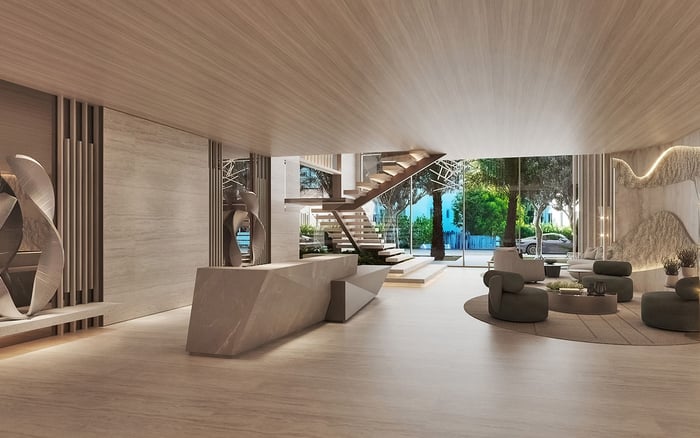
Examine lobby finishes, elevator interiors, residential corridors, pool furniture, and pool decks. Look beyond the most photogenic arrival sequence to the shared spaces you would use daily. Request maintenance and refurbishment records to put visible condition in context.
Ask for reserve information, funding disclosures, and planned common-area work. Compare the refurbishment schedule with what you observe, and ask management to distinguish routine upkeep from larger projects. An attractive lobby is no substitute for reviewing the commitments behind its maintenance.
Do not use rental turnover as a proxy for condition. No building-specific comparison established here proves that more frequent rentals cause greater wear or higher maintenance costs. Evaluate each property through its records, inspection, and management responses.
Before proceeding, assemble a concise file: governing rental documents, written compliance confirmation, guest-conduct and access policies, renovation schedules, recent relevant board minutes, and maintenance and funding information. Ask your advisers to reconcile contradictions while you can still evaluate their implications for the purchase.
For discreet ownership, the strongest fit is not necessarily the building with the greatest rental flexibility. It is the residence whose permitted use, daily operations, and stewardship align with your expectations-with unresolved questions addressed rather than lost in the appeal of the view.
For a considered approach to your Bal Harbour search, connect with MILLION.
If branded residences are on your mind — as a home or as an allocation — we would be glad to share what we are seeing, privately.
Begin a quiet conversationRequest the condominium declaration, current rules, and applicable rental amendments. Confirm minimum lease terms, annual rental caps, approval requirements, and guest policies for the exact residence.
Do not assume it overrides a six-month minimum. Obtain written confirmation of Village compliance and association permission for your planned use.
Published descriptions distinguish the Center from North and South, with different lease minimums and annual rental caps. Verify current rules for the specific tower and unit before relying on those descriptions.
No. Public descriptions conflict between daily rentals and six-month minimums with two rentals annually, making unit-specific written clarification essential.
Request quiet-hour rules, the guest-conduct package, and the complaint-response procedure. Clarify after-hours contacts, documentation, warnings, fines, and possible security intervention.
No. The June 20, 2023, amendments prohibited exterior construction noise on Saturdays, but buyers should separately verify interior renovation rules and scheduled work.
Confirm security staffing and resident-facing procedures for visitor screening, elevator credentials, and contractor access. Concierge service alone does not establish those arrangements.
Review guest parking, valet procedures, and any applicable Vacation Rental Certificate parking plan. Clarify where occupants and visitors may park.
No established building-specific comparison supports that conclusion here. Inspect shared spaces and review maintenance records, reserve information, and planned refurbishment instead.
They may identify proposed changes to lease minimums, rental caps, or guest access. Distinguish adopted rules from proposals when evaluating your intended use and privacy expectations.