A disciplined due-diligence framework for evaluating coastal exposure, building standards, insurance, reserves, maintenance, and long-term ownership costs at The Delmore Surfside.
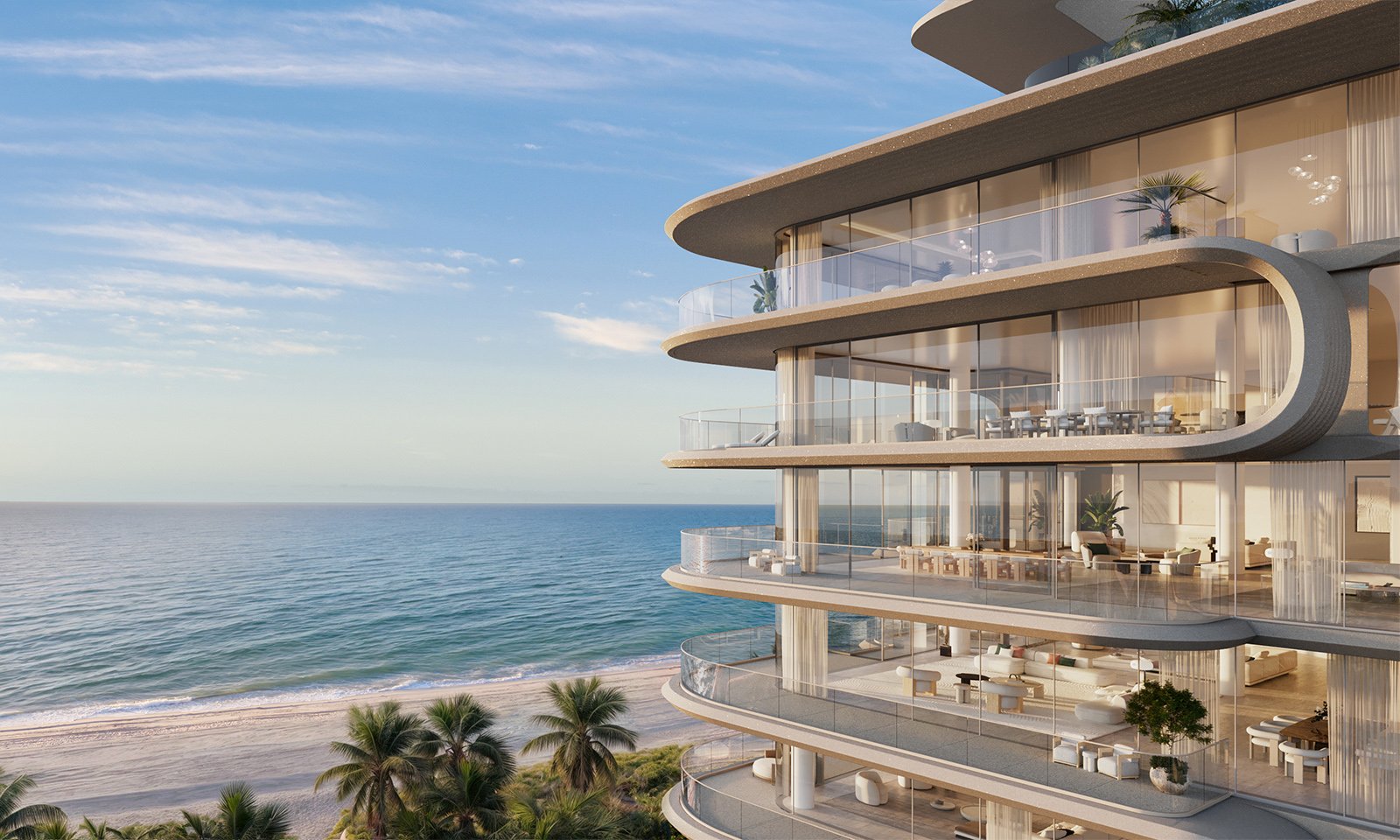
At The Delmore Surfside, the Atlantic is central to the proposition. The ocean defines the outlook, beach access, architecture, and sense of privacy associated with this luxury condominium project in Surfside. It should also frame the buyer’s technical and financial review.
Direct coastal exposure is neither a footnote nor a reason to dismiss the opportunity. It is a condition to understand precisely. Buyers should locate the building on applicable flood, storm-surge, and wind-exposure maps, then relate those findings to its physical design and condominium documents. Broad assumptions about the neighborhood are insufficient. The inquiry should focus on the specific site and the systems that serve it.
For buyers comparing oceanfront and waterfront residences, this discipline belongs alongside considerations of light, layout, service, and arrival experience. A beautiful horizon is best appreciated when the ownership structure beneath it has been examined with equal clarity.
A buyer’s engineering review should establish which edition of the Florida Building Code and which applicable Miami-Dade coastal standards governed the design and permitting. The answer provides context for a deeper document review; it is not a complete assessment in itself.
Request engineering materials that explain how the structure and exterior envelope address coastal wind loads. The review should encompass windows, doors, curtain walls, and other exterior components, with confirmation of applicable impact-resistance requirements. Buyers and their advisers should also understand how the interfaces between components are detailed, because performance depends on the envelope as a coordinated system-not a collection of isolated products.
This is particularly relevant in new-construction purchases, where polished presentations may precede access to every final operating record. Contractual rights to review available permits, specifications, engineering materials, and condominium documents should therefore be considered carefully with qualified advisers.
The same framework applies when evaluating nearby luxury choices such as Fendi Château Residences Surfside or Arte Surfside. The objective is not to assume equivalence among buildings, but to ask consistent questions and compare the quality, scope, and clarity of the documents provided.
Flood-elevation analysis should extend beyond the residence itself. Buyers should examine how applicable requirements affect parking, utilities, generators, and other critical building systems. A residence positioned above a relevant elevation does not, by itself, reveal how the larger property may function after severe weather.
Ask where essential equipment is located, how access and recovery are contemplated, and which responsibilities belong to the association. Connect those questions to the available plans, engineering documents, maintenance protocols, and insurance terms. The goal is a cohesive understanding of exposure, protection, and operational continuity.
For buyers also considering Eighty Seven Park Surfside, this site-specific approach remains essential. Even properties in the same broader coastal market should be evaluated on their own maps, elevations, systems, documents, and coverage.
Request the condominium association’s master insurance policy and examine its windstorm and flood coverage, limits, deductibles, and exclusions. The premium matters, but it represents only one part of the economic picture. A substantial deductible or meaningful exclusion may shape the association’s exposure-and how costs could ultimately reach owners.
Determine what the master policy covers and what remains the unit owner’s responsibility. Interior finishes, personal property, improvements, and potential loss assessments may require separate unit-owner insurance. Coverage should be coordinated rather than viewed in isolation, with close attention to definitions and potential gaps.
A rigorous review also considers how the condominium documents allocate uninsured losses or large deductibles. The answer may affect liquidity planning and the appropriate level of personal coverage. Insurance advisers and legal counsel can help interpret the policy and governing documents for the contemplated purchase.
Coastal durability depends on consistent care. Salt air, humidity, water intrusion, and storm exposure call for planned inspections and preventive maintenance. Buyers should ask who is responsible for inspecting relevant components, how issues are documented, and how repair decisions are funded and communicated.
Reserve funding warrants equal scrutiny. Review the association’s maintenance obligations, reserve approach, and procedures for allocating uninsured losses or large deductibles. Even a technically capable building requires an operating structure equipped to preserve its systems and exterior envelope over time.
This is where lifestyle analysis becomes investment analysis. Buyers should model potential increases in insurance premiums, reserve contributions, assessments, and operating costs rather than focus exclusively on the acquisition price. The exercise should include scenarios that test recurring expenses as well as less frequent capital demands.
The same lens is useful beyond Surfside. A purchaser comparing Rivage Bal Harbour should avoid assumptions based on location, visual language, or price positioning alone. Each condominium requires its own review of engineering, insurance, reserves, and allocation provisions.
The strongest due diligence is organized around documents, not assurances. A practical closing file may include applicable exposure maps, permitting information, engineering materials, exterior-component documentation, condominium governing documents, the master policy, reserve information, maintenance protocols, and the proposed unit-owner policy.
Identify unresolved questions explicitly before contractual deadlines pass. Buyers may wish to coordinate a condominium attorney, insurance adviser, and appropriately qualified engineering professional so that legal, financial, and physical findings are considered together.
At The Delmore Surfside, this process does not diminish the allure of oceanfront living. It places that allure within a more complete ownership picture-one in which design quality, resilience planning, insurance architecture, and long-term stewardship command the same attention as the view.
Why does direct Atlantic exposure matter to a buyer? It makes a site-specific review of wind, flood, storm surge, the building envelope, insurance, and maintenance especially important.
Which maps should buyers examine? Review the property’s precise position on applicable flood, storm-surge, and wind-exposure maps.
Which building-standard documents should be requested? Ask which edition of the Florida Building Code and which applicable Miami-Dade coastal standards governed the design and permitting.
What should an engineering review address? It should explain how the structure and exterior envelope address coastal wind loads.
Which exterior components deserve attention? Review windows, doors, curtain walls, and other exterior components for applicable impact-resistance requirements.
Does flood-elevation review extend beyond residences? Yes. It should also encompass parking, utilities, generators, and other critical building systems.
What belongs in the master-policy review? Examine windstorm and flood coverage, deductibles, exclusions, coverage limits, and the association’s obligations.
Why might unit-owner insurance still be needed? Interior finishes, personal property, improvements, and loss assessments may fall outside master-policy protection.
How do reserves affect the purchase decision? Reserve funding can influence maintenance capacity, owner contributions, assessments, and the handling of major costs.
Which future costs should buyers model? Test potential changes in premiums, reserves, assessments, preventive maintenance, and broader operating expenses.
If you'd like a private walkthrough and a curated shortlist, connect with MILLION.
If branded residences are on your mind — as a home or as an allocation — we would be glad to share what we are seeing, privately.
Begin a quiet conversation