A disciplined framework for evaluating the people, promises, contracts, and contingencies behind a Bal Harbour luxury condominium before making an offer.
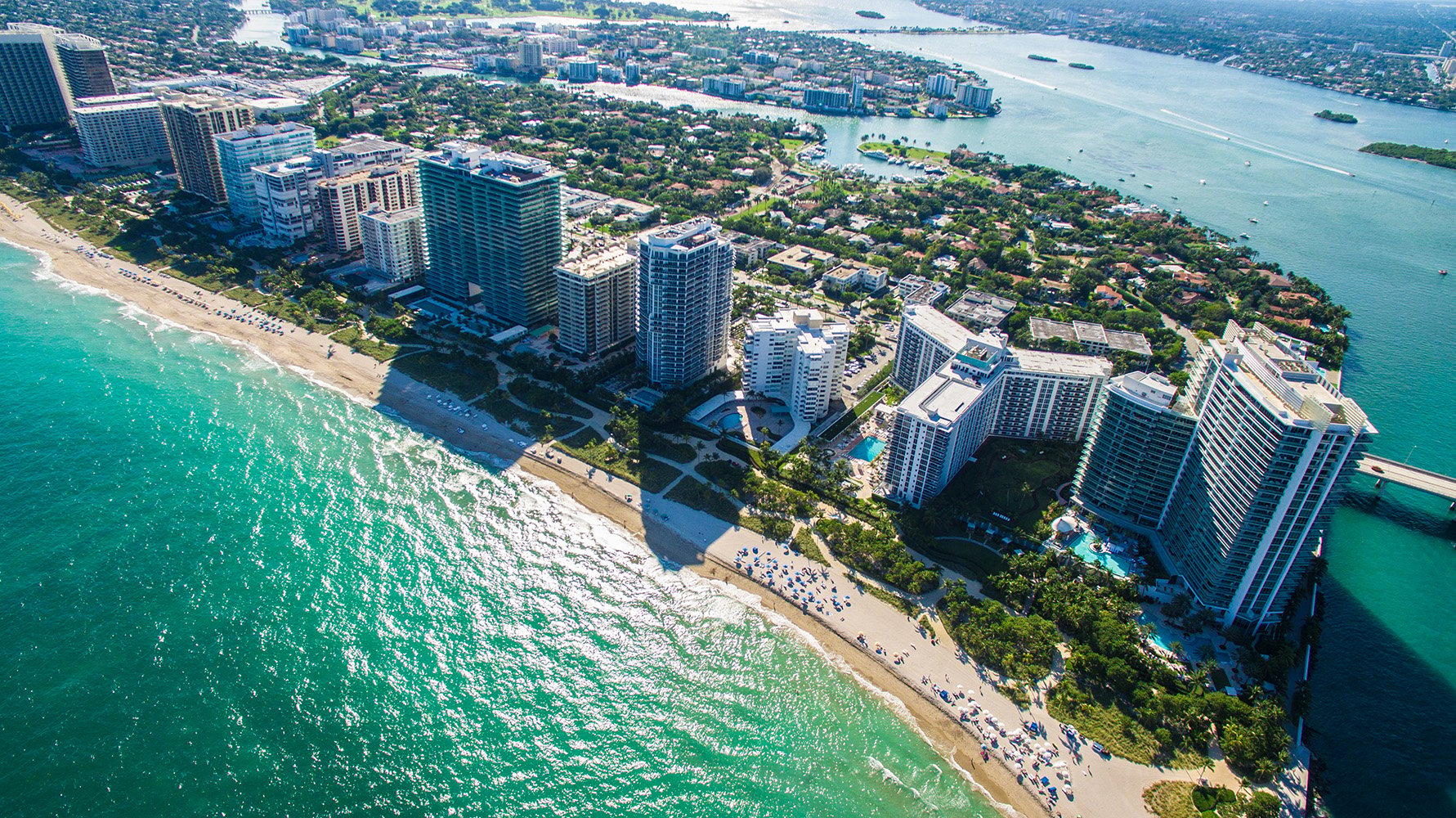
In Bal Harbour, a compelling floor plan, water view, and polished presentation can make a residence feel singular. Yet the eventual ownership experience depends on more than design. Before making an offer, a buyer should understand who is responsible for delivering the building, how that team has performed, and what the contract permits if timing or specifications change.
This is not a search for absolute certainty. Development involves multiple parties, evolving conditions, and contractual discretion. The objective is to identify which risks are visible, which can be transferred, and which the buyer would retain. This Buyer's Guides framework applies to Pre-Construction, New-construction, and Resale opportunities, although the questions and documents will differ by transaction.
Begin by mapping the parties behind the project. Ask for the legal name of the seller, the development entity, its controlling principals, the general contractor, and any separate party responsible for operations or branding. A familiar marketing name is no substitute for clarity about contractual responsibility.
Then determine which members of the current team worked together on earlier developments. A principal may have experience that does not belong to the project entity itself, while a newly assembled team may have no shared delivery history. Distinguish among individual experience, corporate experience, and the performance of the specific partnership now accepting deposits.
Request a written explanation of who controls material decisions, who provides any completion support, and whether obligations rest with a single-purpose entity or extend elsewhere. Counsel can then assess what those arrangements mean in practice.
A rigorous track-record review goes beyond a portfolio page. Ask for completed projects genuinely comparable in complexity, finish level, location, and intended service standard. For each, investigate the original completion expectations, condition at handover, handling of owner punch lists, and consistency between marketed and delivered features.
Speak with owners, board members, property managers, architects, or contractors where appropriate. The most revealing questions are often operational: Did the developer remain responsive after closing? Were common areas completed to the expected standard? Did promised systems function as intended? Were disputes resolved constructively?
Do not reduce the exercise to whether a tower was completed. Delivery quality encompasses documentation, commissioning, warranty administration, and the transition to resident governance. A buyer comparing Rivage Bal Harbour with Oceana Bal Harbour should evaluate each property and transaction independently rather than carry assumptions from one Bal Harbour address to another.
A projected date is less informative than the sequence supporting it. Ask which milestones remain before closing, which dependencies lie on the critical path, and who monitors progress. The answer should distinguish among construction completion, inspections, approvals, owner walk-throughs, and the point at which the residence can be occupied.
Also ask what work may continue after individual closings. A residence may be ready while shared spaces, landscaping, service areas, or other components remain in progress. Clarify how access, privacy, noise, staffing, and amenities could be affected during that interval, without presuming any particular outcome.
Request periodic written updates and define the evidence that will accompany them. Photographs and broad percentages can be useful, but they do not replace milestone-specific explanations. For an Investment or second-home purchase, test the timing against financing, the sale of another property, travel, furnishing, and carrying-cost plans.
The contract is where presentation meets enforceability. Engage an experienced Florida real-estate attorney to review deadlines, extension rights, cancellation provisions, deposit treatment, default remedies, and the seller's ability to modify plans, materials, layouts, amenities, or building operations.
Ask counsel to identify every provision granting the seller discretion and to explain the practical range of outcomes. Terms such as comparable, substantially complete, or nonmaterial may require interpretation within the full document. Do not assume that renderings, conversations, model residences, or sales materials carry the same weight as signed contractual exhibits.
Also review how notices must be delivered, how quickly the buyer must respond, and whether assignment or resale is restricted before closing. These details can become consequential when personal circumstances or market conditions change. The right question is not simply, “Can the developer make changes?” It is, “Which changes are permitted, what notice is required, and what remedy does the buyer have?”
Exceptional architecture and interiors can support a purchase decision, but design pedigree does not answer every execution question. Ask who is responsible for design development, procurement, installation, inspections, and correcting deficiencies. Determine whether named collaborators hold contractual roles through completion or are associated primarily with concept and presentation.
Apply the same discipline to nearby coastal alternatives such as The Delmore Surfside and Fendi Château Residences Surfside. Project names and visual identities may shape expectations, but the buyer still needs transaction-specific documents, clear team accountability, and a defensible delivery plan.
For Resale, shift the inquiry from future completion to present condition. Review building records and engage appropriate professionals to examine the residence, common elements, governance, insurance, financial obligations, and planned work. A completed building removes one category of delivery risk-not the need for diligence.
Once the risks are identified, decide which are acceptable and which require protection. Depending on the transaction and counsel's advice, a buyer may seek clearer deadlines, access to documents, inspection rights, defined inclusions, closing conditions, or other negotiated terms. Not every request will be accepted, but every response provides information.
The offer price should also reflect the buyer's cost of uncertainty. Consider potential housing overlap, storage, travel, financing, design retainers, furniture timing, and the loss of flexibility if delivery shifts. The most sophisticated approach is not to predict one perfect date, but to model several plausible scenarios and confirm that the purchase remains comfortable in each.
Finally, record important representations in the transaction documents whenever possible. Verbal confidence may reassure, but precision is more valuable. The purpose of diligence is not to drain the emotion from an exceptional acquisition. It is to ensure that enthusiasm rests on a structure strong enough to support it.
What is the first developer question a Bal Harbour buyer should ask? Ask which legal entity is selling the residence and which people or entities are accountable for completion and post-closing obligations.
Is a well-known developer name enough assurance? No. Review the specific project entity, controlling principals, current team, contractual obligations, and comparable completed work.
How should a buyer assess prior projects? Examine timing, handover condition, common-area completion, responsiveness, warranty administration, and owners' experiences after closing.
What matters most in a projected completion date? The milestones, dependencies, approvals, and contractual extension rights behind the date matter more than the date alone.
Should buyers rely on renderings and sales presentations? Treat them as presentation materials and ask counsel which plans, specifications, and representations are contractually binding.
Which contract provisions deserve special attention? Focus on changes, substitutions, extensions, cancellation, deposits, defaults, notices, inspections, assignment, and closing conditions.
Can a branded or design-led project still carry delivery risk? Yes. Evaluate creative credentials, construction responsibility, contractual accountability, and execution controls separately.
How does diligence differ for Resale? The focus shifts to present condition, building governance, records, insurance, financial obligations, and anticipated work.
How should a buyer budget for a possible delay? Model multiple timing scenarios that account for housing overlap, financing, storage, travel, furnishing, and reduced flexibility.
Who should be on the buyer's advisory team? Engage appropriate counsel, financial and tax advisers, and qualified inspection or technical professionals as the transaction requires.
For a tailored shortlist and next-step guidance, connect with MILLION.
If branded residences are on your mind — as a home or as an allocation — we would be glad to share what we are seeing, privately.
Begin a quiet conversation