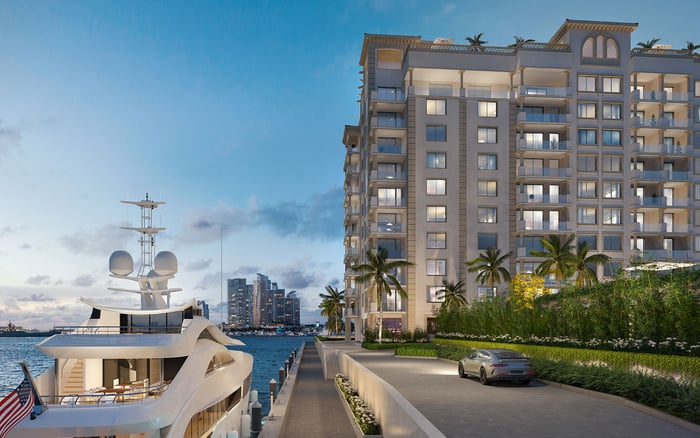
A buyer-focused framework for reviewing contract protections, renovation credits, association approvals, and closing flexibility at Continuum on South Beach.
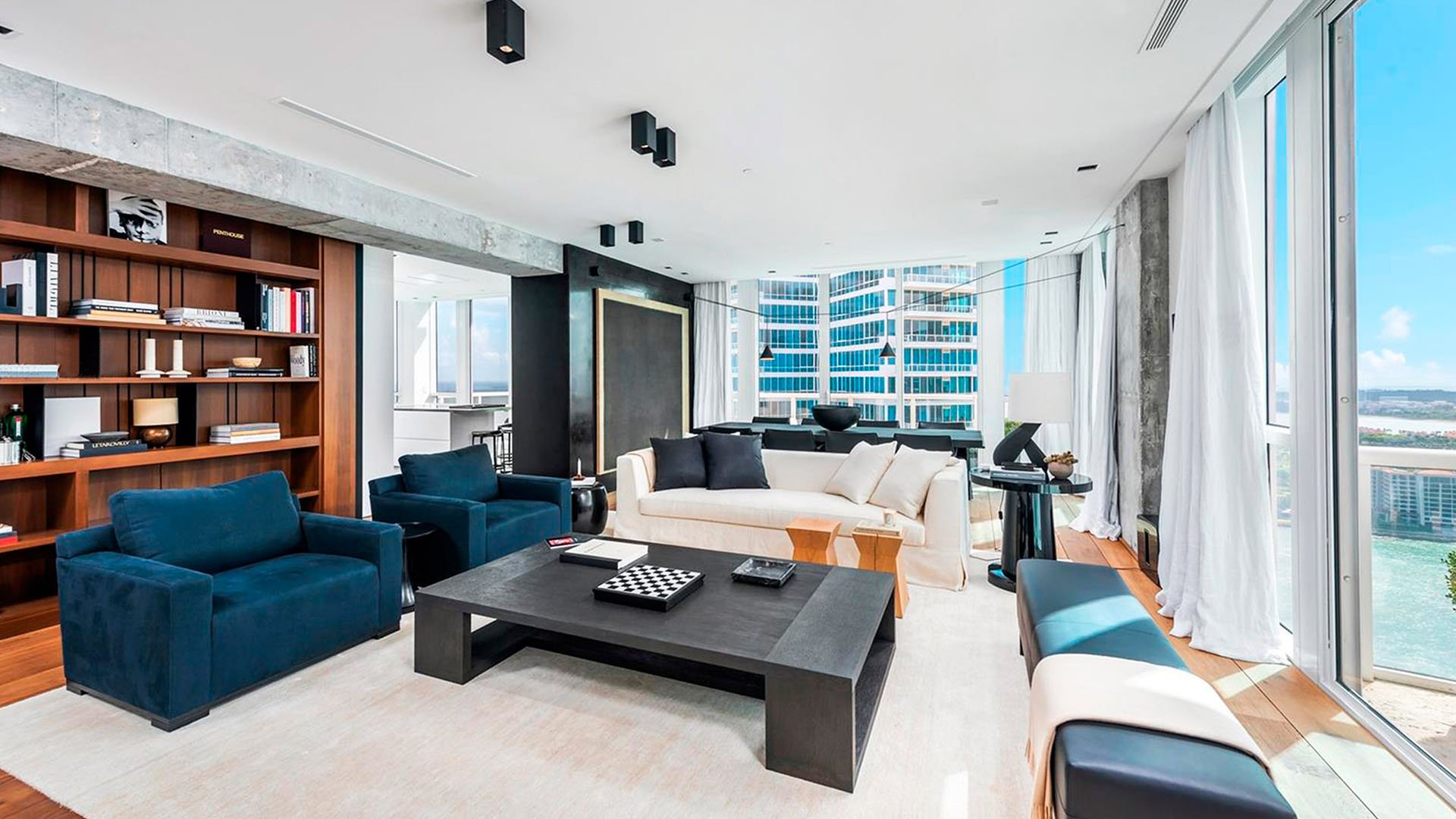
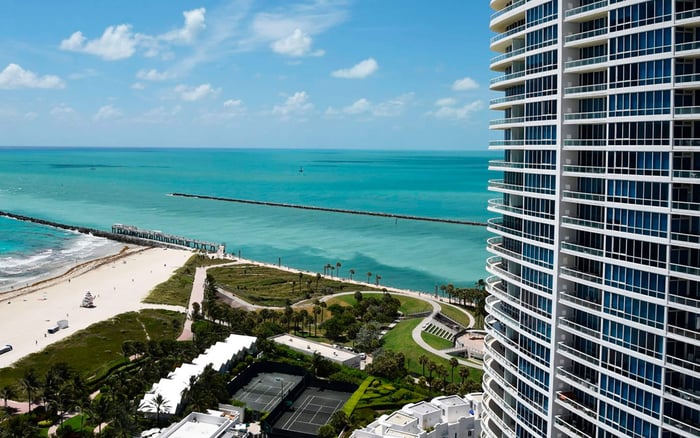
At Continuum on South Beach, the contract should reflect the particular residence, not rely on the development’s broader prestige. The two-building property occupies the southeastern tip of Miami Beach in the South of Fifth neighborhood, beside South Pointe Park and the Atlantic Ocean. Its private condominium setting combines direct beachfront access with multiple pools, fitness and spa facilities, tennis, and concierge service.
Yet residences vary materially by tower, stack, floor plan, elevation, exposure, and renovation level. Depending on these variables, views may encompass the Atlantic Ocean, Biscayne Bay, or the Miami skyline. The South Tower was the earlier phase; the North Tower followed as the newer phase. Neither distinction replaces a unit-specific review of condition, documents, and proposed contract language.
This buyer’s-guide perspective is therefore less about negotiating a generic oceanfront condominium than allocating risk with precision. Florida counsel should draft or review contractual protections, while lenders, tax advisers, inspectors, and the condominium association should address matters within their respective disciplines.
An inspection provision deserves close attention because finishes, systems, alterations, and maintenance histories can differ from one residence to another. Buyers should ask counsel whether the agreement allows sufficient time and access for the intended inspections, document review, and follow-up inquiries. Any right to cancel, proceed, or request a resolution should be stated clearly, not assumed.
Financing and appraisal language also requires coordination with the buyer’s lender. Cash and financed purchases can carry different timing and documentation priorities. If financing is involved, counsel and the lender should confirm the scope, deadlines, and consequences of any contingency before execution.
Condominium documents are equally central. Buyers contemplating construction should review applicable association rules, approval requirements, permitted work practices, and other relevant restrictions before accepting renovation-related obligations. The contract should not promise a construction schedule dependent on an approval the buyer does not yet control.
In SoFi, comparison shopping can sharpen priorities without treating unlike properties as interchangeable. A buyer also considering Apogee South Beach may use that alternative to clarify preferences around condition, layout, outlook, and timing, but the negotiation at Continuum still turns on the selected unit.
A credit for a documented defect is not necessarily equivalent to a discretionary allowance for new flooring, millwork, lighting, or other aesthetic changes. The agreement should distinguish repair-related items from elective upgrades, identify the amount or calculation method, and state how the concession will be delivered.
That distinction matters particularly in a financed transaction. A lender may evaluate credits, purchase-price adjustments, and closing costs under its own underwriting requirements. Before making a credit central to the economics, the buyer should have the proposed structure reviewed by counsel and the lender. An agreed concession that cannot be used as expected may not deliver its intended value.
Documentation should be specific. Inspection findings, contractor input, invoices, or estimates may help the parties define the issue, but buyers should not presume that every projected renovation cost will be accepted by the seller, association, appraiser, or lender. The cleanest negotiation connects each requested remedy to a defined item and records the final treatment in the contract or a properly prepared amendment.
The same discipline applies when comparing a resale with newer Miami Beach choices such as Five Park Miami Beach or The Ritz-Carlton Residences® South Beach. A newer presentation may influence a buyer’s renovation budget, but it does not establish the appropriate credit for a particular Continuum residence.
Closing flexibility can accommodate a buyer’s financing process, travel calendar, document review, or planned renovation sequence. Sellers may have timing needs of their own. Whatever the commercial understanding, the agreement should specify the closing date, any permitted extension, the conditions for exercising it, required notice, and any associated cost or deposit consequence.
Post-closing occupancy requires separate scrutiny. If a seller seeks to remain after title transfers, Florida counsel should review the occupancy arrangement, responsibility for expenses, security, insurance considerations, access, damage, and the remedy for delayed departure. Informal assurances are no substitute for complete language.
Tax timing and ownership structure should be discussed with qualified tax and legal advisers before deadlines harden. Buyers should also coordinate the closing date with association procedures, lender requirements, insurance arrangements, and funds-transfer planning. The objective is not flexibility without limits, but a controlled path to closing in which responsibilities and decision points are visible to both parties.
For a waterfront acquisition in South of Fifth, restraint often produces the strongest contract. Focus negotiations on the residence’s actual condition, the buyer’s genuine dependencies, and provisions that can be administered without ambiguity.
Begin with the selected unit’s physical condition and renovation history, then align inspection rights with the time required for professional review. Next, examine condominium materials and association requirements, especially if alterations are part of the purchase rationale. Only then should the parties settle the form of any repair credit, upgrade allowance, price adjustment, or other concession.
Finally, synchronize financing, appraisal, insurance, association procedures, and closing logistics. This sequence helps prevent one negotiated term from conflicting with another. It also keeps the resort setting and amenity appeal in perspective: those qualities explain why buyers value Continuum, while contractual precision protects the path to ownership.
What should a buyer inspect at Continuum? The scope should be tailored to the residence’s condition, systems, finishes, and alterations, with qualified inspectors advising on the review.
Does the tower determine value by itself? No. Tower, stack, elevation, exposure, floor plan, views, and renovation level can all influence a unit-specific evaluation.
Why separate repair credits from upgrade allowances? They serve different purposes and may receive different treatment from a lender, appraiser, or other transaction professional.
Can a seller credit be assumed to cover renovations? No. Counsel and the lender should confirm whether the proposed credit is permitted and how it will appear at closing.
Should association approval be a contract consideration? Yes. Buyers planning alterations should review applicable rules and approval requirements before accepting construction-related terms.
What belongs in a closing-extension clause? Counsel should address the extension period, triggering conditions, notice procedure, cost, and consequences for deposits or default.
How should post-closing occupancy be handled? It should be documented with terms covering duration, expenses, security, damage, access, insurance considerations, and delayed departure.
Are financing and appraisal contingencies identical? Not necessarily. Their scope and effect depend on the contract, so Florida counsel and the buyer’s lender should review both.
Do amenities replace unit-level due diligence? No. Beach access, pools, wellness facilities, tennis, and concierge service do not resolve questions about a residence’s condition.
Who should review the final agreement? Florida counsel should review legal terms, with lenders, tax advisers, inspectors, and the association addressing their relevant areas.
If you'd like a private walkthrough and a curated shortlist, connect with MILLION.
If branded residences are on your mind — as a home or as an allocation — we would be glad to share what we are seeing, privately.
Begin a quiet conversation