A buyer-focused guide to evaluating wellness amenities at Tula Residences North Bay Village, with emphasis on daily usability, privacy, operations, and long-term lifestyle value.
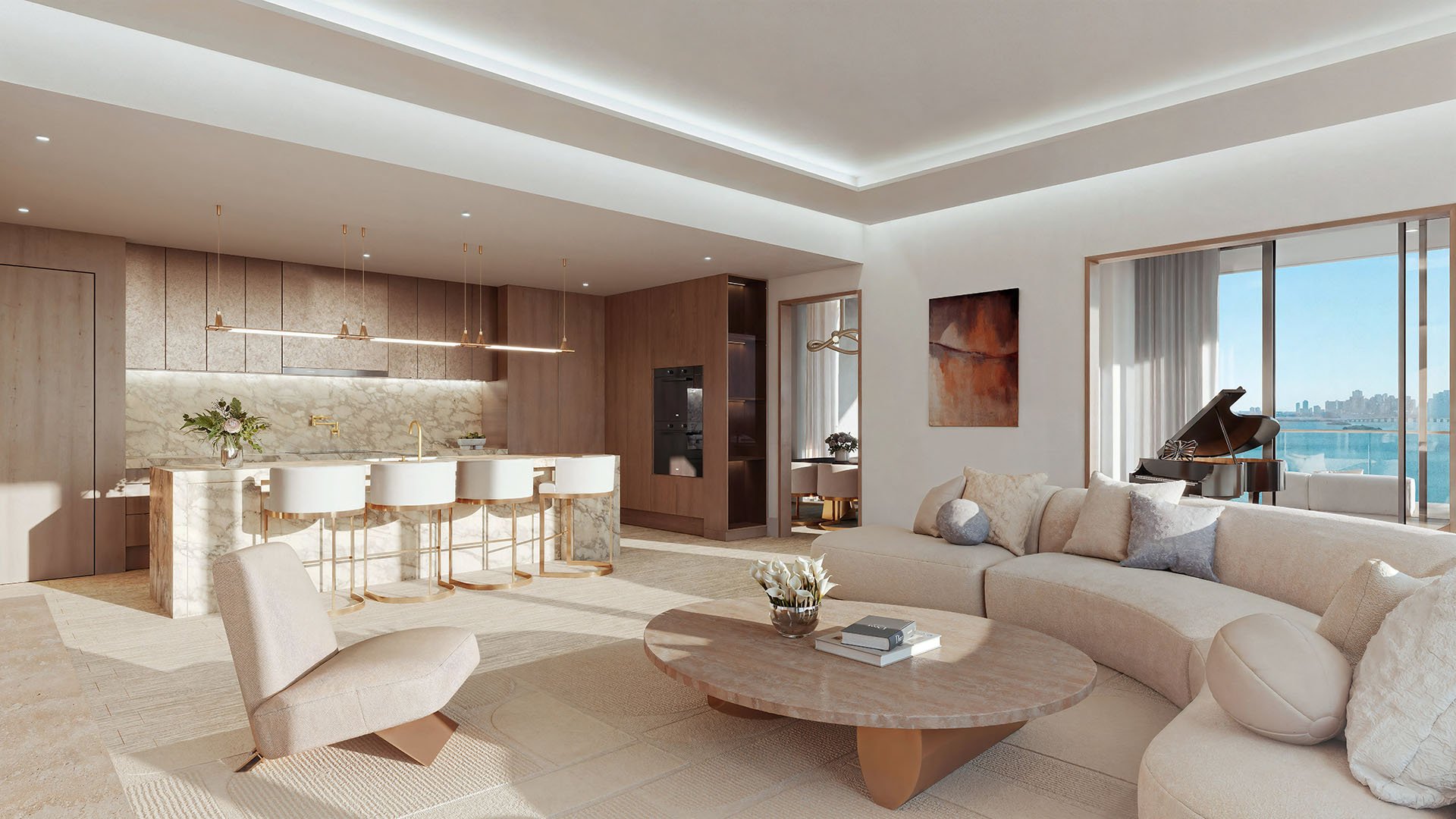
Wellness has become one of the most persuasive terms in South Florida residential real estate. It can describe a disciplined spa program, a well-equipped fitness environment, quiet outdoor space, considered light, restorative water views, or simply a more graceful way to move through the day. For buyers looking at Tula Residences North Bay Village, the important question is not whether the word appears in the presentation. It is whether the amenity program will create a daily rhythm that feels materially better than life in a conventional building.
The distinction matters. A beautiful amenity deck can impress during a tour and still underperform after move-in if it is crowded, poorly scheduled, difficult to access, or maintained below the expected price point. Conversely, a quieter amenity offering can carry real lifestyle value if it supports the resident’s actual routine. Morning movement, an efficient post-work reset, a serene place to read, a private space for a trainer, a well-managed pool environment, and a setting that makes home feel restorative are all more important than fashionable language.
In North Bay Village, the wellness conversation is also tied to a broader shift in buyer expectations. Search shorthand may call it North-bay-village, but sophisticated buyers experience the area through convenience, privacy, water orientation, and the way individual buildings manage daily life. The goal is to determine whether Tula’s wellness positioning feels operational, not ornamental.
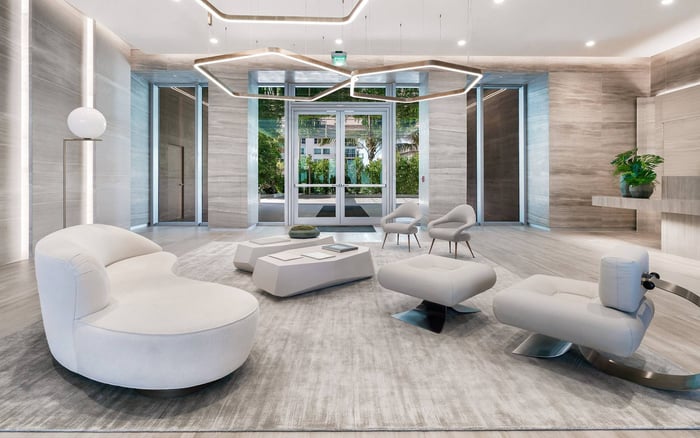
Begin with the simplest test: imagine a normal Tuesday. Where do you stretch before a call? Where do you cool down after training? Can you use the fitness space at the hour you actually prefer? Is the pool deck designed for relaxation, laps, social energy, or a little of each? Does the building give residents enough room to use amenities without feeling as if they are sharing a hotel lobby?
This is where marketing language often becomes too broad. Terms such as sanctuary, retreat, and holistic living sound attractive, but they should translate into specific residential behavior. A buyer should ask how spaces connect, how they are reserved, whether guests are permitted, what the hours are, how noise is controlled, and how the association intends to maintain the finishes. Wellness is not a mood board. It is an operating standard.
A useful comparison is the emerging cluster of residential offerings nearby. Continuum Club & Residences North Bay Village and Shoma Bay North Bay Village may appeal to buyers for different reasons, but together they reinforce that North Bay Village is no longer evaluated only by residence interiors. The amenity layer, including how it supports health, leisure, and social life, has become part of the underwriting.
The first layer is hardware: fitness rooms, outdoor areas, pools, treatment rooms, lounges, terraces, and circulation spaces. These are visible, photographable, and easy to compare. The second layer is service: cleaning cadence, staff training, reservation policies, programming, privacy rules, sound management, and the building’s ability to keep amenities feeling fresh after the first season.
Luxury buyers often focus on the first layer because it is easier to see. The more durable value usually lives in the second. A wellness space that is calm at 7 a.m., spotless at 6 p.m., and easy to access without awkward logistics is more valuable than a larger room that feels unmanaged. In new-construction condominiums, this is especially important because the opening narrative can be polished before the building has established its lived-in rhythm.
Ask direct questions. How many residents might realistically use the fitness spaces at peak times? Is there room for private instruction? Are wet areas separated from quiet areas? Does the pool environment support both social and restorative use? Will residents need to compete with events or outside programming? These answers help determine whether the wellness story will age well.
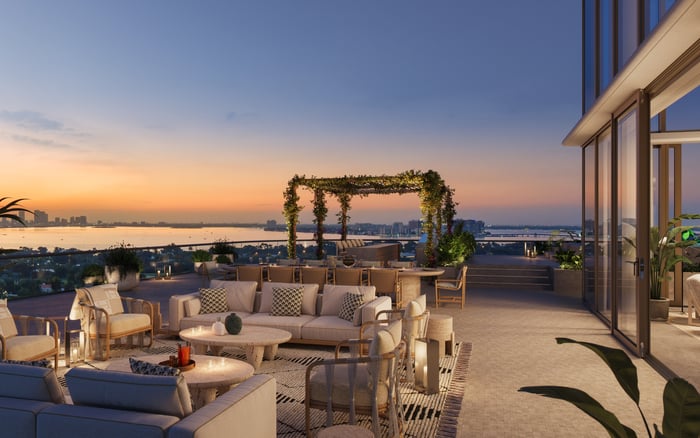
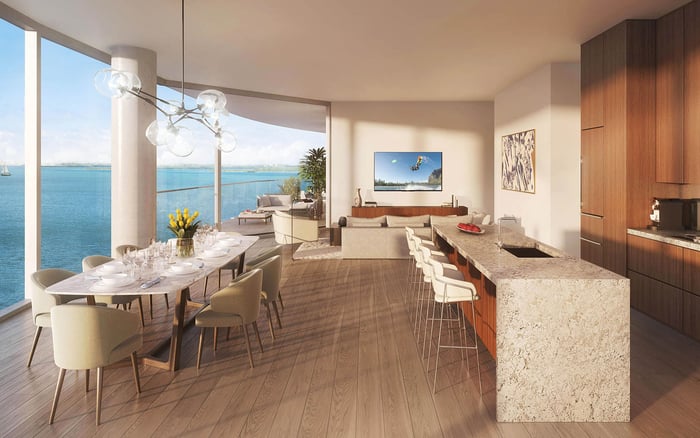
Waterfront language carries immediate emotional force in South Florida. Views, breeze, light, and outdoor transition can support a calmer lifestyle, particularly for buyers leaving dense urban settings. But waterfront value should still be evaluated with discipline. A view from the residence is different from a usable outdoor amenity. A terrace is different from a shaded, maintained, comfortable space that residents can use throughout the day.
At Tula, buyers should think about how any wellness-oriented spaces relate to daily patterns. If the building offers outdoor calm, is it convenient enough to use before work? If a deck or lounge is intended for decompression, does it have the seating, shade, and privacy to function that way? If water proximity is part of the appeal, does the design make that relationship feel present in ordinary moments, not just renderings?
This is also where the wider bay-area wellness market is instructive. The Well Bay Harbor Islands reflects a broader buyer appetite for residences that place health, calm, and daily ritual at the center of the sales conversation. That does not mean every building must offer the same concept. It means buyers have become more fluent, and less forgiving, when wellness is used as decoration rather than substance.
A Brickell buyer may value speed, services, and a frictionless transition from work to private life. A Miami Beach buyer may prioritize outdoor ease, beach access, social energy, or a resort-like cadence. A North Bay Village buyer may be weighing a more residential scale, access to surrounding neighborhoods, and a calmer sense of arrival. The right wellness amenity package depends on the lifestyle being purchased.
That is why the comparison should not be limited to square footage or the number of amenity rooms. Instead, buyers should compare the relationship between residence, amenity, and neighborhood. Does the building make it easier to live well without leaving home? Does it reduce daily decisions? Does it support both solitude and social life? Does it feel refined without becoming theatrical?
A property such as The Residences at 1428 Brickell will naturally speak to a different pattern of life than Tula, but the evaluative framework is similar. The best wellness amenities are not merely impressive. They are intuitive. They feel appropriate to the building, credible for the buyer profile, and sustainable for long-term ownership.
Before assigning value to a wellness package, ask whether the amenity can be used privately, frequently, and without friction. Ask whether the operating budget appears capable of supporting the promised standard. Ask whether the design is flexible enough to remain relevant as wellness preferences evolve. Cold plunges, meditation rooms, infrared concepts, and recovery spaces may be fashionable, but flexibility often matters more than novelty.
Also consider resale language. Future buyers will not pay simply because a brochure used the right words. They will respond to spaces that photograph beautifully, tour well, and function convincingly. If an amenity feels calm, well maintained, and genuinely useful, it can support emotional attachment and pricing confidence. If it feels like a branded corner of unused equipment, it becomes background noise.
For Tula Residences North Bay Village, the smart posture is neither skeptical nor seduced. It is precise. Treat wellness as a form of residential infrastructure. When the design, management, and resident experience align, it can enhance everyday life and strengthen the building’s position. When they do not, the language fades quickly.
What makes a wellness amenity valuable in a luxury condominium? It becomes valuable when residents can use it regularly, privately, and comfortably. The best amenities improve daily life rather than simply elevating a presentation.
Should buyers pay a premium for wellness language alone? No. A premium is easier to justify when the spaces, policies, and maintenance standards make the wellness promise credible.
How should I evaluate the fitness component at Tula? Focus on usability, equipment mix, peak-hour capacity, privacy, and whether the space supports your actual routine. A beautiful gym is less useful if it is inconvenient or overcrowded.
Is a pool automatically a wellness amenity? Not always. A pool supports wellness when it is calm, well managed, comfortably furnished, and designed for the way residents intend to use it.
Why does operations matter as much as design? Operations determine whether amenities remain clean, quiet, accessible, and consistent after move-in. Design creates the promise, while management protects it.
How can buyers compare Tula with other nearby projects? Compare how each building supports daily rhythm, privacy, outdoor time, social life, and ease of use. The strongest choice is the one that matches your lifestyle, not the one with the longest amenity list.
Does waterfront positioning increase wellness value? It can, especially when views, light, and outdoor spaces are integrated into daily life. The value is stronger when the setting is usable, not merely visible.
What should investors watch in wellness-oriented buildings? Investors should focus on durability, operating costs, and whether the amenity story will remain compelling to future buyers. Trend-driven features can date faster than flexible, well-maintained spaces.
Are branded wellness concepts always better? Not necessarily. Branding can add structure and recognition, but the lived experience still depends on execution, access, and consistency.
What is the best way to tour wellness amenities? Tour with your daily schedule in mind and ask how each space will function during normal peak times. The right amenity should feel effortless, not aspirational in theory only.
For a tailored shortlist and next-step guidance, connect with MILLION.
If branded residences are on your mind — as a home or as an allocation — we would be glad to share what we are seeing, privately.
Begin a quiet conversation