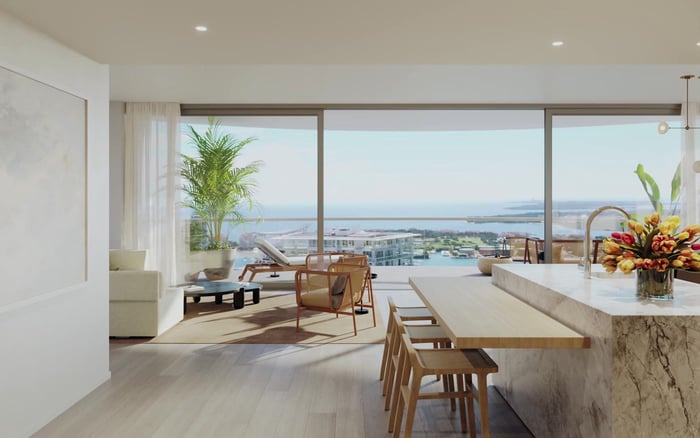
A decorator-ready residence and a fully finished home answer different lifestyle priorities. For South Florida buyers, the more consequential comparison separates interior preferences from neighboring development potential, terrace comfort, permitted outdoor use, and condominium-building obligations.
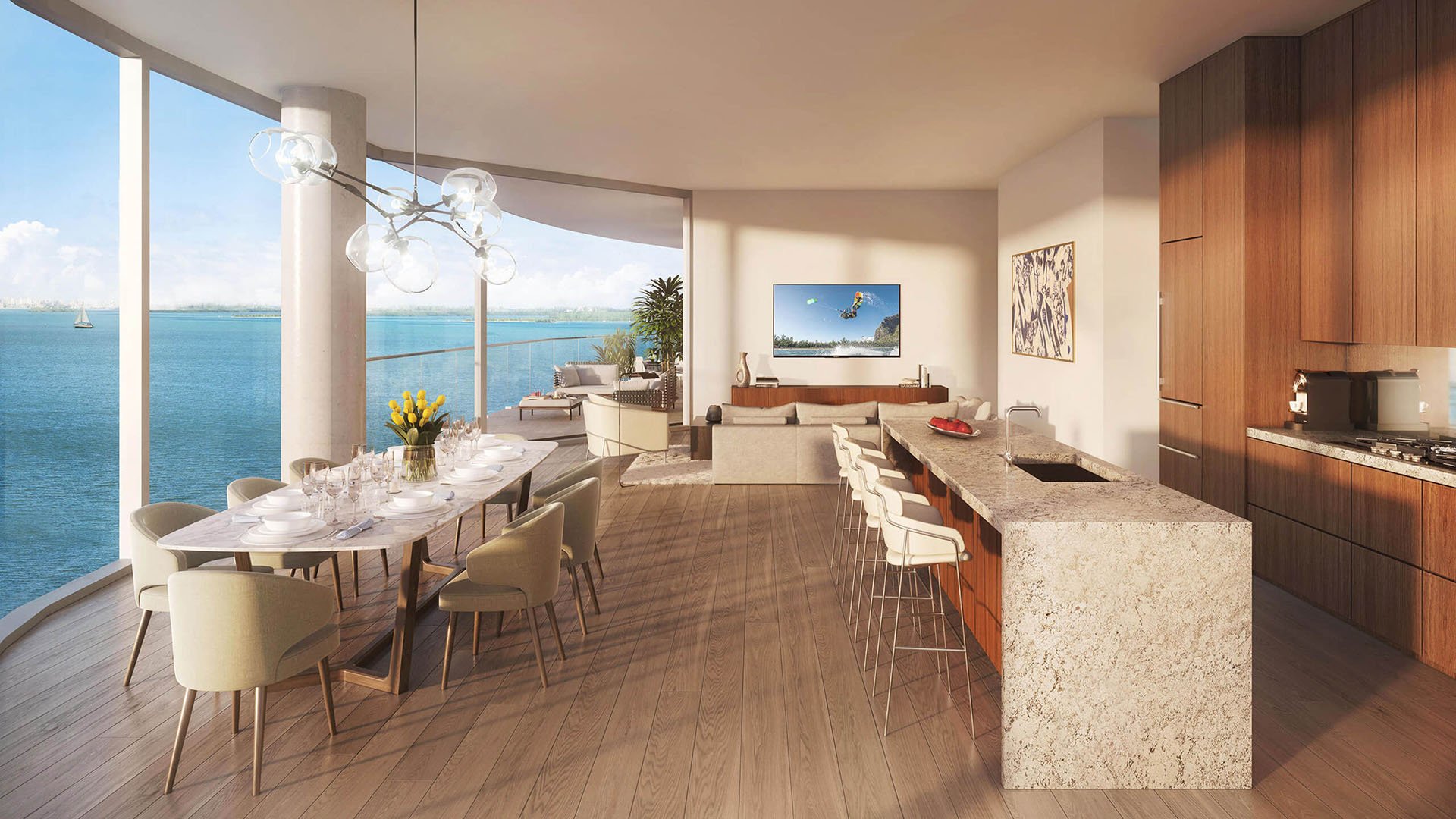
A beautifully finished residence invites an immediate response: the materials feel right, the lighting is considered, and the rooms promise an effortless arrival. A decorator-ready offering asks the buyer to imagine a more personal result. Neither proposition, however, resolves the questions beyond the glass: what could rise next door, how comfortable the terrace feels, and whether the building’s obligations fit the ownership plan.
For South Florida’s luxury buyer, these are separate decisions. Interior presentation concerns taste and the work still to be undertaken. View durability, neighboring development potential, outdoor comfort, and condominium condition require their own diligence. The stronger purchase is one whose setting and obligations remain persuasive after the decorative impression is set aside.
Treat decorator-ready and fully finished as descriptions to investigate, not substitutes for a written delivery specification. Ask what is included, what remains to be selected or installed, and what documentation supports the proposed condition at closing. Check a finished interior against the purchase agreement rather than assuming it includes every furnishing or feature shown during a viewing.
The preference is personal. A buyer who wants to direct materials and detailing may welcome the work that remains. Another may prioritize an interior that already suits the intended lifestyle. Neither preference establishes a universal cost advantage or a reliable completion schedule. Request residence-specific estimates, approval requirements, and contractual commitments before comparing the alternatives financially.
When considering The Residences at 1428 Brickell alongside another Brickell opportunity, keep two evaluations separate: the interior you are acquiring and the location you are committing to. Attractive finishes cannot answer questions that belong to parcel records or building documents.
An open outlook is an observable condition, not proof of permanent openness. In Miami-Dade, zoning parameters include permitted uses, minimum lot size, maximum density, setbacks, maximum lot coverage, and floor-area ratio. Those parameters offer a more useful starting point than whether the adjacent site happens to be occupied today.
Ask the appropriate planning professional or counsel to identify the parcels that matter to the residence’s principal sightlines and review the applicable rules. Establish the relevant jurisdiction rather than assuming one zoning framework governs every address. Use the applicable official zoning and development records as the starting point.
For a Miami Beach search that includes The Perigon Miami Beach, make the same request at the individual-residence level: which neighboring parcels deserve examination, and what do their development parameters permit? This is a diligence question, not a prediction about that project or its surroundings.
Zoning alone does not establish a legally protected view. Distinguish current conditions, development potential, and any documented legal protection. These are different propositions, not interchangeable assurances.
A view and a comfortable place to sit are not the same amenity. Before assigning substantial lifestyle value to an outdoor area, define how you intend to use it: breakfast, reading, evening dining, or occasional entertaining. Then evaluate the actual residence against that brief rather than relying on a photograph or a single impression.
Arrange visits at different times and, where practicable, under different conditions. Treat those visits as observations, not proof of year-round comfort. Ask whether relevant property-specific wind or engineering information is available, and have an appropriate professional interpret it when outdoor use is central to the purchase.
Apply the same discipline to a comparison involving Bentley Residences Sunny Isles. The project name is not evidence of conditions on a particular terrace. Do not infer wind comfort from price, floor level, or interior completion. Keep everyday usability separate from any engineering assessment of the building.
Treat the terrace as a proposed living space whose practical and permitted uses need confirmation. Sketch the arrangement you actually want, including seating, dining, planting, shade, or cooking equipment. Then establish which elements are allowed and what approvals or technical review would be required.
Do not assume that an appealing outdoor-kitchen concept is permitted, that substantial planters are acceptable, or that a preferred shade installation can be added. Obtain the applicable condominium documents and written clarification of restrictions. Where loads, attachments, or alterations are involved, seek residence-specific engineering guidance rather than relying on decorative plans.
For a buyer considering Vita at Grove Isle, the useful question is not simply whether an outdoor area looks generous. It is whether the intended activities can be accommodated and authorized. Apply that test to every shortlisted residence without assuming any particular permission or limitation at the named project.
A fully finished home still sits within a building with its own repair and funding responsibilities. Florida’s Structural Integrity Reserve Study, or SIRS, evaluates reserve funding needed for future major repairs and replacement of condominium common areas. It is based on a visual inspection of common areas, not an assessment of the decorative quality inside an individual residence.
Milestone inspections serve a different purpose: assessing structural condition. Reserve studies address budgeting for future major repairs and replacements. Neither substitutes for the other, and recently installed interiors make neither unnecessary.
Ask for the applicable inspection documentation, reserve-study information, association budget, and clarification of how identified needs are being addressed. Associations are responsible for arranging required milestone inspections, and required reserve-study information must be made available to unit owners. Have counsel confirm current requirements and applicability rather than relying on a historical compliance date.
Begin with the characteristics that matter most to your ownership experience: the setting, the outlook, the outdoor-use plan, and the building’s documented condition and funding needs. Then compare the interior scope, delivery terms, and the work you are willing to manage. Keep unresolved questions visible rather than allowing exceptional presentation to settle them by implication.
A decorator-ready residence can suit a buyer seeking authorship; a finished home can suit one seeking fewer interior decisions. The distinction becomes meaningful only when both receive equally rigorous scrutiny beyond the finishes.
For a considered South Florida residence search, connect with MILLION.
If branded residences are on your mind — as a home or as an allocation — we would be glad to share what we are seeing, privately.
Begin a quiet conversationSeparate the interior delivery scope from view, terrace, and building diligence. Confirm inclusions and remaining work in writing before comparing the options.
Do not assume everything shown during a viewing is included. Check the purchase agreement and written delivery specifications.
Neither finish description establishes a universal cost advantage. Obtain residence-specific estimates, approval requirements, and contractual commitments.
No. Current openness, neighboring development potential, and documented legal protection are separate matters.
Relevant parameters include permitted uses, minimum lot size, maximum density, setbacks, maximum lot coverage, and floor-area ratio. Review the rules applicable to the parcels affecting the residence’s sightlines.
Visit the specific residence under different conditions where practicable and ask whether relevant wind or engineering information is available. A single visit does not establish year-round comfort.
No. Confirm restrictions and approvals in the condominium documents and obtain engineering guidance where loads, attachments, or alterations are involved.
A SIRS evaluates reserve funding needed for future major repairs and replacement of condominium common areas. It does not evaluate an individual residence’s decorative quality.
A milestone inspection assesses structural condition, while a reserve study addresses funding for future major repairs and replacements. They serve different diligence purposes.
Yes. Interior finishes do not resolve building-level repair and funding obligations, so request applicable inspection documentation, reserve-study information, and the association budget.