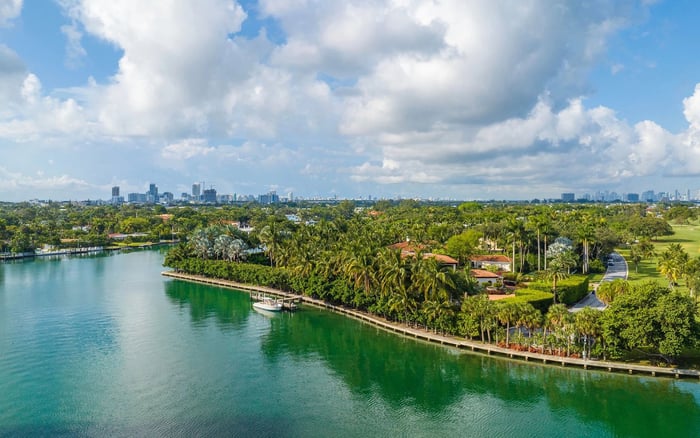
For Fisher Island buyers, reserve diligence should connect building condition, project sequencing, and funding. A coordinated review of roofs, façades, plumbing, electrical systems, and waterproofing offers a clearer view of ownership obligations than any single reserve balance.
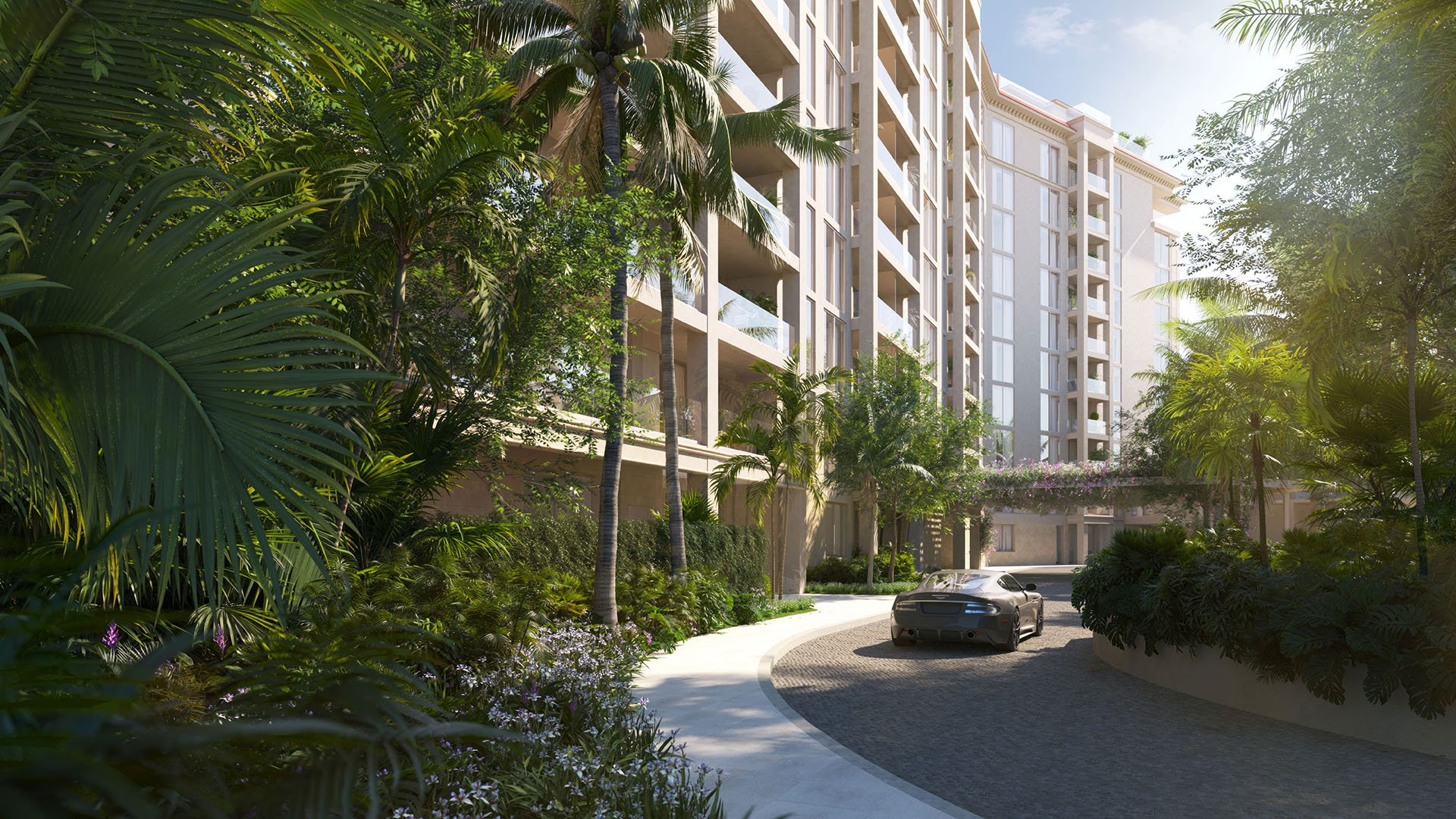
On Fisher Island, the most consequential ownership questions may lie beyond a residence’s finishes and views. Buyers should understand not only whether an association holds reserves, but whether those reserves align with the building’s condition, replacement timetable, and approved work. The useful lens is a coordinated capital plan for roofs, façades, plumbing, electrical systems, and waterproofing.
This is a planning recommendation, not a separately named statutory requirement. Its purpose is to clarify obligations: what needs attention, when work is expected, which expenditures depend on other projects, and how funding will follow. A substantial reserve balance alone cannot answer those questions.
For a residence under consideration at Palazzo del Sol Fisher Island, start with association-specific documentation, not assumptions drawn from the address. The same discipline applies throughout the island. No general discussion establishes an individual building’s condition or funding adequacy.
Florida’s Structural Integrity Reserve Study, or SIRS, framework generally applies to qualifying condominium buildings with three or more habitable stories. Required categories include roofs; structural systems; fireproofing and fire-protection systems; plumbing; electrical systems; waterproofing and exterior painting; windows and exterior doors; and qualifying additional major items.
The five systems emphasized here are a starting point, not the complete statutory inventory. A SIRS must identify covered components’ estimated remaining useful lives, replacement costs or deferred-maintenance expenses, and recommended reserve funding. Required studies must be completed at least every 10 years.
Requirements operate at the building level. Where one association manages multiple qualifying structures, request separate building inventories rather than accepting an association-wide total as a sufficient explanation. The question is whether the relevant building’s obligations are visible and reflected in the funding schedule.
Required component reserves generally cannot be waived or redirected to unrelated purposes, subject to applicable statutory provisions. A coordinated plan should preserve those restrictions, not imply that all reserve dollars are interchangeable.
A milestone inspection and a SIRS answer different questions. The milestone inspection evaluates substantial structural deterioration; the SIRS evaluates covered components and their funding needs. Neither substitutes for the other.
The general milestone schedule begins at 30 years, with inspections every 10 years thereafter. A local enforcement agency may require the initial inspection at 25 years when local conditions, including coastal exposure, justify an earlier review. Buyers should verify the applicable schedule rather than calculate it from a building’s age alone.
SIRS deadlines also require individual confirmation. The statutory timing provisions include a December 31, 2026 outer completion limit for a relevant extension; that date is not a universal deadline. Confirm current obligations, extension eligibility, and exceptions against enacted law before relying on a seller’s explanation of timing.
For buyers considering Palazzo della Luna Fisher Island, these distinctions provide a document-review framework, not a conclusion about the property. Request the applicable studies, inspection findings, engineering recommendations, and evidence that approved work addresses them.
Roof.
Start with the replacement history, estimated remaining life, proposed scope, and funding allocation. Ask the engineer whether planned work has implications for adjacent waterproofing or other components. A roof allowance should describe an anticipated obligation, not merely occupy a budget line.
Façade.
Do not equate façade planning with a fresh exterior finish. Waterproofing and exterior painting form a covered SIRS category; structural systems are covered separately. Distinguish the proposed painting scope from any structural work identified by the building’s professionals.
Plumbing.
Plumbing is expressly included in SIRS requirements. Material replacement and deferred-maintenance needs belong in reserve planning, rather than being treated solely as routine operating expenses. Request a clear distinction between recurring service costs and anticipated capital work.
Electrical.
Electrical systems are also expressly covered. Review the long-term repair and replacement scope alongside other planned projects, and ask whether the schedule reflects dependencies identified by the engineer. The absence of a current service interruption does not establish adequacy.
Waterproofing.
Identify the surfaces and systems included in the proposed work, their condition assessments, and the relevant funding. Where façade, roof, or deck work overlaps, request a coordinated scope that clarifies responsibility and sequencing without counting the same expense twice.
Roof replacement warrants careful code review, including examination of applicable retrofit and secondary-waterproofing requirements. The mitigation-retrofit and secondary-waterproofing requirements under Florida Statute 553.844 discussed here apply to site-built single-family residences, with only sloped hip or gable roofs required to comply. They should not automatically be applied to condominium roofs.
System selection also matters. Elastomeric waterproofing systems for concrete decks have product approvals for use in the High-Velocity Hurricane Zone. Their existence supports asking which approval applies to the proposed system-not assuming that any waterproofing product is suitable.
Flood resilience warrants a separate, explicit engineering conversation within the broader plan. Potential strategies include elevating mechanical systems above the design flood level and dry floodproofing, which makes a building watertight to prevent water from entering interior spaces. Neither strategy is universally suitable. Building-specific engineering and code review should establish feasibility before buyers treat an adaptation proposal as a committed improvement.
A useful review package includes the association’s SIRS, milestone inspection documentation, engineering studies, replacement histories, approved capital projects, reserve schedules, and assessment records. Read them together. A proposed project, an approved project, and an allocated reserve balance represent different stages of a capital obligation.
Ask management to reconcile the planned scope with the funding schedule and explain any changes since the latest study. Clarify assessment status, payment timing, and the obligations relevant to the purchase. A low recurring charge is not evidence that future work is adequately funded.
At The Residences at Six Fisher Island, as with any residence under consideration, the analysis should follow the applicable ownership structure and building documentation. A project name alone cannot establish reserve obligations or future assessment exposure.
The objective is a clear connection between condition, scope, timing, and money. Keep building inventories distinct, preserve required reserve restrictions, and coordinate projects where professional review supports doing so. For a discerning buyer, resilience is best evaluated through a documented plan, not a general assurance.
For a considered approach to Fisher Island ownership, explore MILLION.
If branded residences are on your mind — as a home or as an allocation — we would be glad to share what we are seeing, privately.
Begin a quiet conversationThe framework generally applies to qualifying condominium buildings with three or more habitable stories. Buyers should confirm applicability for the specific building.
No. It is a planning recommendation for reviewing related building obligations together while preserving applicable reserve requirements.
It must identify covered components’ estimated remaining useful lives, replacement costs or deferred-maintenance expenses, and recommended reserve funding.
Required studies must be completed at least every 10 years. Buyers should also confirm the association’s applicable completion deadline.
No. A milestone inspection evaluates substantial structural deterioration, while a SIRS evaluates covered components and their funding needs.
The general schedule starts at 30 years and repeats every 10 years. A local enforcement agency may require the first inspection at 25 years when local conditions justify it.
Waterproofing and exterior painting are a covered category, while structural systems are separately covered. Painting alone does not describe the full scope of potential façade obligations.
Both are expressly covered by the SIRS framework. Their material repair, replacement, and deferred-maintenance needs should be reviewed within long-term capital planning.
No. That date appears as an outer completion limit within relevant extension provisions, so associations must verify their own deadlines and extension eligibility.
Request association-specific SIRS and milestone inspection documentation, engineering studies, replacement histories, approved capital projects, reserve schedules, and assessment records. Review them together before drawing conclusions about funding adequacy.