A disciplined due-diligence framework for evaluating Shorecrest's insurance structure, wind and flood exposure, building specifications, ownership documents, and waterfront rights.
Evaluating Shorecrest Flagler Drive West Palm Beach requires more than reviewing presentation materials. Waterfront ownership can raise detailed questions about insurance, wind performance, flood resilience, water intrusion, emergency systems, recurring costs, and any rights associated with docks or slips.
The review should focus on current governing and transaction documents. Buyers should have qualified advisers examine the offering materials, purchase agreement, condominium declaration, exhibits, budgets, insurance information, construction specifications, and any recorded instruments relevant to the residence.
Begin by confirming the legal project name, street address, parcel, residence count, construction schedule, unit designation, floor plan, parking rights, storage rights, and ownership boundaries in the latest available documents. Any detail that matters to the purchase should appear in the controlling documents or in a written contractual provision.
The unit review should also identify which components are part of the residence, common elements, or limited common elements. That distinction can affect maintenance, repair, insurance, and casualty-restoration obligations.
Request the association's available insurance materials, including policy declarations, certificates, coverage limits, exclusions, endorsements, valuation provisions, and deductibles. A condominium attorney and insurance adviser should determine what the association insures, what the owner must insure, and how deductibles or uninsured losses may be allocated.
Pay particular attention to named-storm and flood coverage, casualty-restoration procedures, reserve assumptions, and the association's authority to impose assessments. The review should also address whether owner improvements, interior finishes, personal property, loss assessments, temporary living expenses, and liability require separate coverage.
Quoted association fees should be evaluated alongside the current budget and the documents governing assessments. A displayed monthly amount does not, by itself, establish future insurance expense or the full cost of ownership.
Request the permitted structural and building-envelope criteria applicable to the project. The technical review can include wind-load assumptions, glazing and exterior-door ratings, anchoring, façade testing, balcony interfaces, sealants, drainage paths, and measures addressing wind-driven rain.
Ask for the emergency-power scope in writing. Determine which elevators, pumps, life-safety systems, access controls, mechanical systems, and common areas are intended to operate during an outage. Buyers should also review the location and protection of critical electrical and mechanical equipment.
Comparable due diligence can be applied when evaluating other West Palm Beach projects, including Alba West Palm Beach, Forté on Flagler West Palm Beach, and The Ritz-Carlton Residences® West Palm Beach. The purpose is not to assume that the projects are equivalent, but to apply a consistent document-based review.
Request the applicable flood information, design elevations, drainage strategy, waterproofing details, and plans showing the placement of critical equipment. Ask how terraces, doors, windows, roof areas, penetrations, and any below-grade spaces are tested, maintained, and repaired.
The declaration should explain responsibility when water affects both common elements and a residence. Buyers should understand who investigates the source, who performs repairs, which insurance policy responds, and how uncovered costs may be allocated.
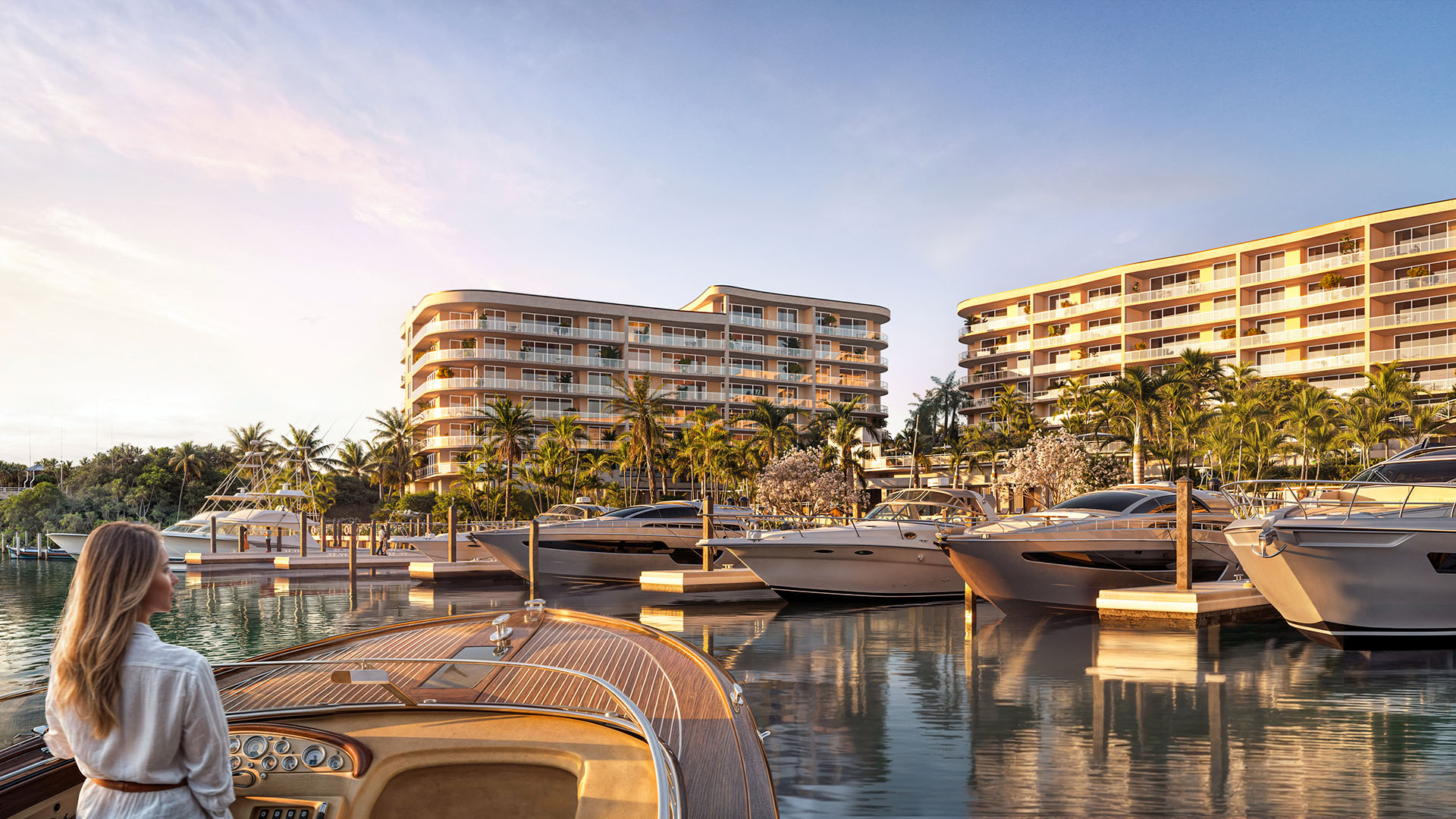
Any representation involving a marina, dock, or boat slip requires separate document review. Confirm whether a right is conveyed with the residence, assigned as a limited common element, licensed separately, subject to availability, or governed by another agreement.
The review should address transferability, permitted users, vessel restrictions, operating rules, maintenance duties, insurance requirements, fees, and casualty-restoration obligations. Waterfront positioning alone does not establish a legally transferable slip right.
A disciplined review can involve condominium counsel, an insurance adviser, and an inspector or engineer familiar with coastal high-rise construction. Questions should be answered in writing and reconciled with the purchase agreement, declaration, budget, specifications, and applicable exhibits.
Buyers should focus on completion terms, deposit protections, material-change provisions, casualty procedures, termination rights, closing conditions, reserves, assessments, and the documents delivered for review. The objective is clarity about what conveys, what is insured, how the building is intended to perform, and which costs remain the owner's responsibility.
Which documents should a Shorecrest buyer review first? Start with the current offering materials, purchase agreement, condominium declaration, exhibits, budget, insurance information, construction specifications, and relevant recorded instruments.
Why should the legal project details be confirmed? The controlling documents should identify the project, parcel, residence, ownership boundaries, and rights included in the transaction.
What master insurance information should a buyer request? Request available declarations, certificates, limits, exclusions, endorsements, valuation provisions, deductibles, and rules for allocating uninsured costs.
Why does the named-storm deductible matter? The deductible may affect the association's finances and an owner's potential exposure after a covered event. Its allocation should be reviewed with the governing documents.
What should an owner insure separately? That depends on the master policy and declaration. An insurance adviser should identify the appropriate coverage for the residence, improvements, personal property, liability, temporary living expenses, and loss assessments.
Which wind-related specifications deserve review? Review documented wind-load criteria, glazing and door ratings, anchoring, façade testing, balcony interfaces, and protections addressing wind-driven rain.
What should be confirmed about emergency power? Ask which elevators, pumps, life-safety systems, access controls, mechanical systems, and common areas are intended to operate during an outage.
How should flood and water-intrusion risk be evaluated? Examine applicable flood information, elevations, drainage, waterproofing, equipment placement, testing procedures, and repair responsibilities.
Does a waterfront setting guarantee a boat slip? No. Any dock or slip right must be established in the relevant documents, along with its availability, transferability, restrictions, fees, and maintenance obligations.
Who should assist with due diligence? Depending on the transaction, buyers may consult condominium counsel, an insurance adviser, and an inspector or engineer experienced with coastal high-rise properties.
For a tailored shortlist and next-step guidance, connect with MILLION.
If branded residences are on your mind — as a home or as an allocation — we would be glad to share what we are seeing, privately.
Begin a quiet conversation