For a Miami luxury buyer, the decisive insurance number is rarely the premium alone. Policy architecture, wind and flood treatment, valuation language, and deductibles measured in dollars all belong in pre-closing diligence.
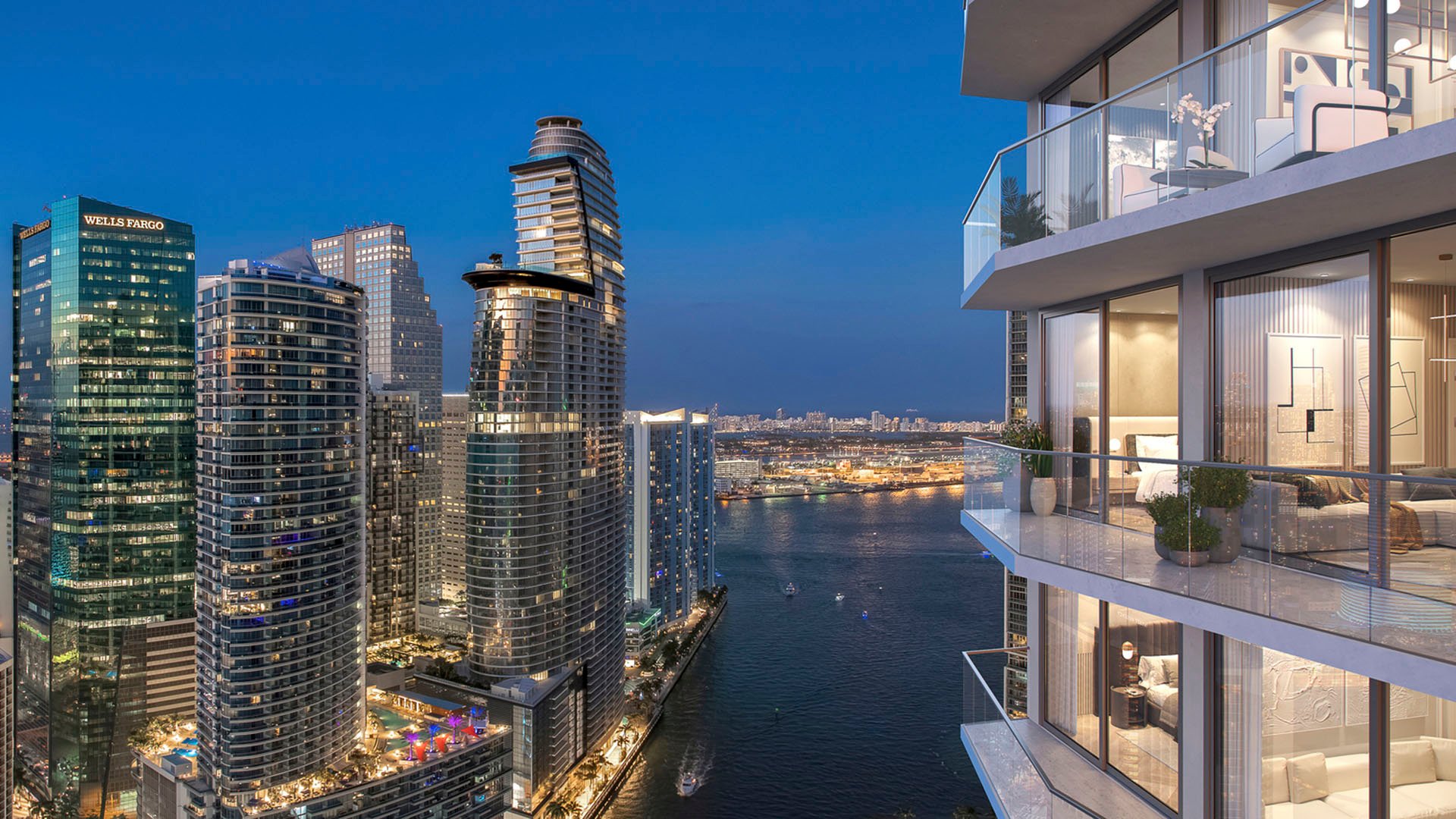
A polished residence and compelling address can make insurance feel like a closing formality. For a coastal South Florida purchase, buyers can instead treat coverage as part of the broader acquisition review. The premium matters, but so do exclusions, coverage limits, valuation terms, policy layers, and the amount an owner must fund before coverage responds.
That review is particularly relevant for waterfront and second-home ownership, where a buyer may need to account for extensive interiors, personal property, and periods of absence. Whether considering The Perigon Miami Beach or another Miami Beach residence, request property-specific terms early enough to evaluate them before closing.
Ask whether wind is included in the proposed homeowners policy or addressed through separate coverage. Confirm which deductible applies to each covered event and review the perils, limits, conditions, and exclusions in every proposal. Quotes should not be compared on premium alone when their coverage structures differ.
Request the declarations page and full policy forms rather than relying only on a preliminary indication. A qualified insurance adviser can explain how the proposed policies would work together for the specific residence.
The declarations page should identify the deductible language and the value used to calculate any percentage-based amount. Convert each percentage into dollars using the applicable insured value, then include that potential cash obligation in the ownership plan.
Buyers comparing a high-rise option such as The Residences at 1428 Brickell with other Brickell properties should also ask which events trigger each deductible and whether more than one policy could be relevant to a loss.
Valuation language deserves equal attention. Ask the adviser to explain how the policy values covered property and how the stated limits relate to the residence, its finishes, and its contents.
Review flood considerations for the property's exact address and obtain a property-specific quote. Do not infer the result from a neighborhood label, a nearby building, or another residence's insurance terms. Buyers using financing should also confirm the lender's requirements for the selected property.
A coastal tower such as St. Regis® Residences Sunny Isles places the inquiry within Sunny Isles Beach, but the diligence should remain specific to the residence and building under consideration. Ask the insurance adviser which property characteristics and documents are relevant to underwriting.
Provide the insurer with available building records, inspection materials, and documentation of protective features. Ask whether any additional inspection is needed and whether the submitted records affect eligibility, terms, or premium.
The objective is not merely to complete underwriting. It is to understand the property's condition, the assumptions behind the quote, and whether the final policy accurately reflects the residence.
This discipline also applies elsewhere in Miami-Dade. A buyer reviewing Rivage Bal Harbour can treat inspection records, policy forms, and quoted terms as one coordinated diligence file rather than unrelated paperwork.
Luxury condo ownership requires a careful comparison between the association's master policy and the owner's proposed unit policy. Buyers should identify where master coverage ends, what the unit policy is intended to cover, and whether any material gaps remain.
The review should include association-level deductibles and possible assessment exposure following a covered event. Request the available master-policy materials, current deductibles, and coverage summaries, then ask qualified insurance and legal advisers to evaluate how those provisions interact with the proposed unit coverage.
Obtain property-specific proposals before closing and confirm the final forms, limits, exclusions, valuation terms, and deductibles. Model the deductibles as potential cash obligations and keep inspection reports, association materials, and policy proposals together for review. Careful ownership begins when the premium and the fine print have been evaluated as parts of the same decision.
Is wind included in every Miami homeowners policy? Do not assume that it is. Confirm in writing whether the proposed policy includes wind or whether separate coverage is contemplated.
What should a buyer review about a hurricane deductible? Ask which events trigger it, what value the calculation uses, and how much the resulting obligation would be in dollars.
Why convert a percentage deductible into dollars? The conversion makes the potential cash obligation easier to include in the ownership plan.
Is a deductible necessarily based on the purchase price? Review the policy language and declarations page to identify the value used for the calculation rather than assuming the sale price controls.
Should flood coverage be reviewed separately from wind coverage? Yes. Ask for property-specific terms and have an insurance adviser explain how each proposed policy addresses the relevant risks.
Why verify flood considerations for the exact address? Property-specific review is more reliable than drawing conclusions from a neighborhood name or a nearby residence.
Which records should be provided during underwriting? Share available inspection materials, building records, and documentation requested by the insurer or adviser.
What should a second-home buyer discuss with an adviser? Discuss periods of absence, the residence's contents, applicable policy conditions, and any property-management arrangements relevant to coverage.
Does a condo master policy eliminate the need for unit coverage? Buyers should not make that assumption. Compare the master policy with the proposed unit policy and review any gaps with qualified advisers.
When should buyers obtain final insurance proposals? Obtain them before closing, with enough time to examine policy forms, exclusions, limits, valuation terms, deductibles, and lender requirements.
When you're ready to tour or underwrite the options, connect with MILLION.
If branded residences are on your mind — as a home or as an allocation — we would be glad to share what we are seeing, privately.
Begin a quiet conversation