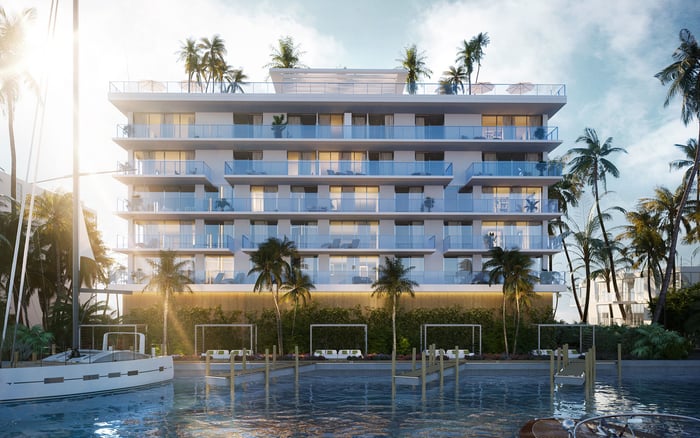
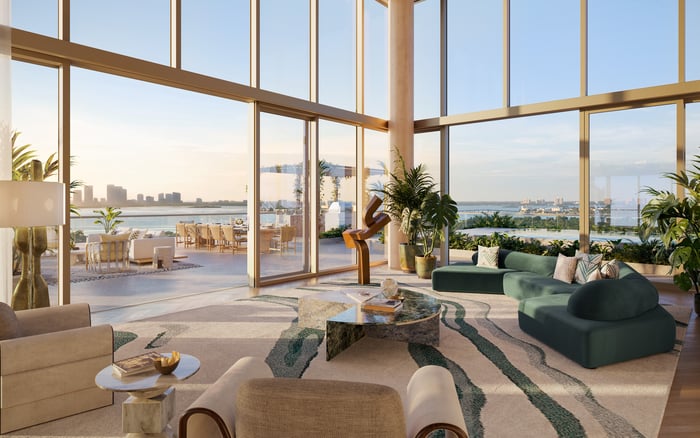
A practical framework for Hamptons buyers weighing privacy, access, residence design, and daily ease when considering a home in Bay Harbor Islands.
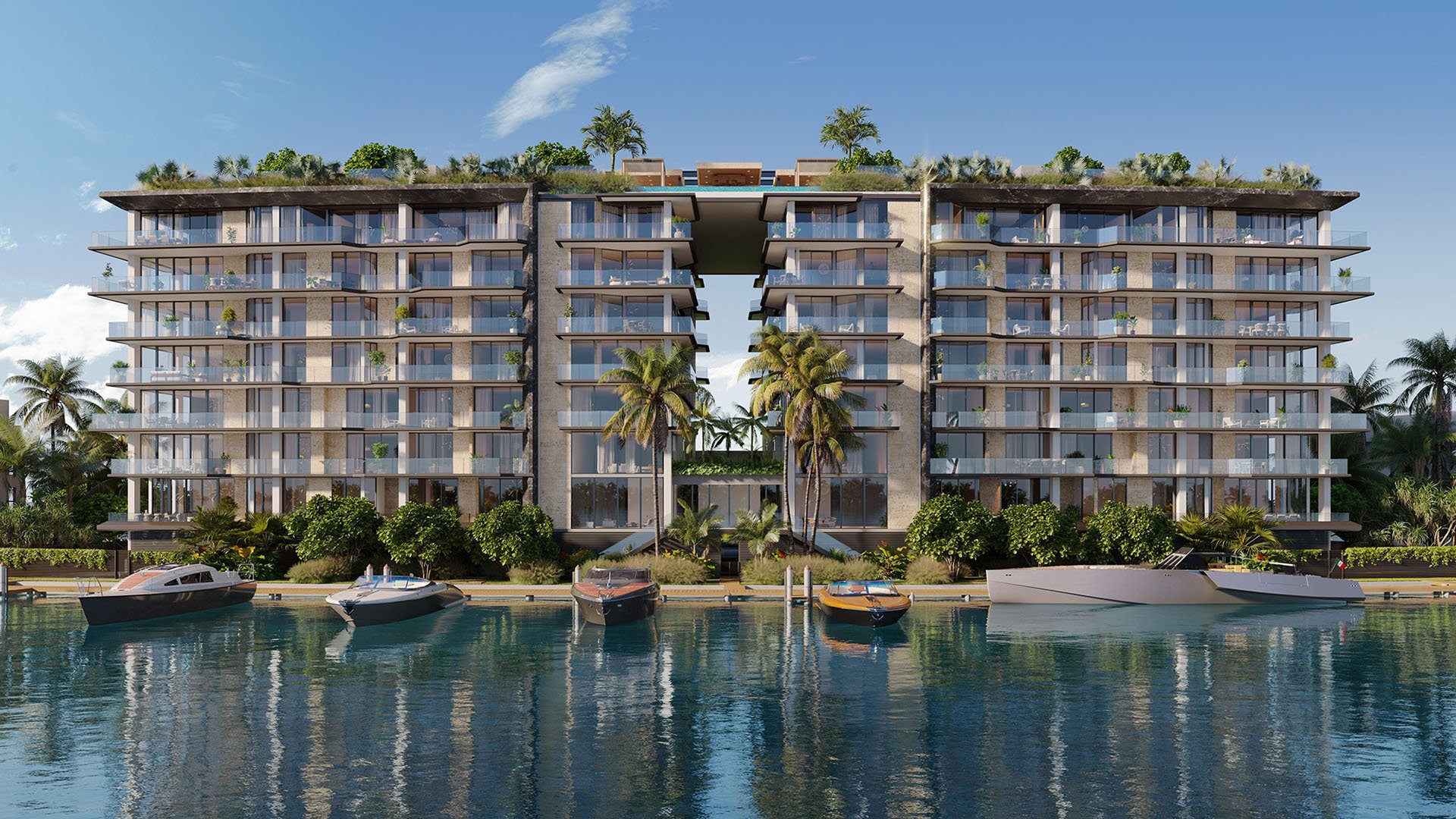
For a Hamptons buyer, the most useful comparison is not simply beach versus city, but the relationship among privacy, access, service, and spontaneity. A South Florida residence may need to feel composed and protected while still accommodating dinners, appointments, shopping, cultural plans, and effortless arrivals.
Begin by writing two versions of a typical day. The first should describe a quiet day at home: morning light, outdoor time, exercise, work calls, meals, guests, and evening privacy. The second should map an active day beyond the residence. This exercise turns an abstract lifestyle preference into a practical brief.
The right Bay Harbor search should then be judged against that brief. A home that feels secluded but adds friction to every outing may not deliver genuine ease. Conversely, a residence that offers excellent access but compromises calm at the front door, on the terrace, or in the primary suite may never feel restorative.
Privacy is not a single feature. It is a sequence of conditions that begins before you enter the residence. Study how a car approaches, where guests wait, how deliveries are handled, and whether shared spaces feel discreet. Inside, consider the relationship among the entry, entertaining rooms, bedrooms, staff circulation, and outdoor areas.
Sightlines deserve particular attention. Stand at every major window and terrace door, then consider what can be seen from neighboring buildings and common areas. A water view can be compelling, but its value depends on orientation, visual exposure, and whether the glass can comfortably remain uncovered throughout the day.
Sound is equally important. Visit with doors open and closed, and listen from the rooms where quiet matters most. Privacy also changes by floor and position, so avoid treating height as an automatic solution. The more disciplined question is whether the specific residence protects the moments you value.
A boutique setting may appeal to buyers who prefer a more intimate ownership experience. Alana Bay Harbor Islands can be included in a comparison set focused on how scale, arrival, and residence selection align with that preference.
Convenience should be timed, not assumed. Create a route list based on your actual habits, including trips toward Bal Harbour, Miami Beach, dining, wellness appointments, airports, schools, offices, or private clubs. Test those journeys at the times you expect to make them rather than relying on a single midday drive.
Apply the same discipline to local routines. Consider how quickly you can leave the residence, retrieve a car, receive a driver, or return with guests. A few minutes saved within a building can matter as much as a favorable location on a map.
When evaluating Onda Bay Harbor, use the visit to examine the complete transition from street to residence. The objective is not to collect amenities, but to determine whether the property supports an elegant rhythm of movement.
Waterfront ownership can mean different things to different buyers. Some prioritize a broad visual horizon, while others care more about terrace usability, protection from exposure, or the emotional effect of seeing water from daily living spaces. Decide which rooms should receive the strongest outlook and which can favor privacy instead.
Treat beach access as a routine to be evaluated. Ask how you expect to reach the sand, what you will carry, whether children or guests will accompany you, and how the return home should function. The goal is to determine whether beach time will feel natural enough to become part of daily life.
A visit to La Maré Bay Harbor Islands can provide another point of comparison when assessing the balance between a water-oriented setting and the practical requirements of a second residence. Keep the focus on the particular home, its orientation, and its circulation rather than the project name alone.
A successful second home should be easy to open, enjoy, secure, and leave. Review storage for seasonal wardrobes and sporting equipment, the placement of service areas, guest separation, and whether the kitchen suits your preferred style of entertaining. If remote work is part of the plan, test where calls can take place without disturbing the rest of the household.
Flow matters more than nominal room count. Walk through an imagined arrival with luggage, a dinner with friends, and a multigenerational weekend. Note where circulation conflicts emerge and whether the outdoor space functions as a true extension of the interior.
Buyers considering The Well Bay Harbor Islands should apply the same residence-level scrutiny used elsewhere: layout, light, privacy, storage, arrival, and the fit between shared offerings and personal routines. The best choice is the one whose design minimizes compromise in everyday use.
Architecture creates the first impression, but operations shape ownership. Ask detailed questions about access control, guest protocols, deliveries, staffing, maintenance coordination, package handling, parking, and procedures during an extended absence. Buyers with household staff or frequent guests should map those movements carefully.
Review governing documents, budgets, insurance considerations, leasing rules, pet policies, construction status, and any restrictions with qualified legal and financial advisers. These items can materially affect flexibility, privacy, and carrying expectations. No finish package can compensate for an ownership structure that conflicts with the way you intend to use the home.
Include Origin Bay Harbor Islands only if it fits the same disciplined matrix. Comparing every candidate under identical headings prevents an attractive presentation from outweighing practical shortcomings.
Return to the finalists at different times and under different conditions. Experience the arrival when you are not expected, stand quietly in bedrooms and outdoor areas, and repeat the routes that matter. Bring the family members or advisers whose needs could alter the decision.
Score each residence across privacy, city access, beach routine, layout, operations, and emotional ease. Weight the categories rather than averaging them. For many buyers, one unacceptable privacy issue should matter more than several attractive conveniences.
The final test is simple: Does the residence make both retreat and participation feel effortless? The strongest choice will not eliminate every trade-off. It will place those compromises where they matter least, preserving calm at home without making the wider life you want feel remote.
What should a Hamptons buyer define first? Define the intended daily routine, including quiet time, entertaining, work, beach use, and city outings.
Is a higher floor always more private? Not necessarily. Evaluate sightlines, sound, neighboring exposures, and terrace conditions for the specific residence.
How should city convenience be tested? Drive the routes you expect to use at realistic times, including the full trip from the residence door to the destination.
What makes an arrival feel discreet? Clear access control, composed guest handling, and minimal overlap among residents, deliveries, and service movements can support discretion.
How should buyers assess outdoor space? Consider exposure, visibility, sound, shade, furniture placement, and its connection to the main living areas.
What matters most in a second-home layout? Prioritize easy arrivals, storage, guest separation, service circulation, and rooms that suit the way you entertain.
Should amenities determine the purchase? Amenities should support established routines rather than compensate for a residence with weak privacy, layout, or orientation.
Why visit a property more than once? Repeated visits reveal changing sound, light, traffic patterns, arrival conditions, and the emotional character of the home.
Which documents deserve careful review? Review governing documents, budgets, insurance matters, leasing provisions, pet rules, and use restrictions with qualified advisers.
What is the best final decision test? Choose the residence that protects calm at home while keeping preferred routines and destinations comfortably accessible.
For a tailored shortlist and next-step guidance, connect with MILLION.
If branded residences are on your mind — as a home or as an allocation — we would be glad to share what we are seeing, privately.
Begin a quiet conversation