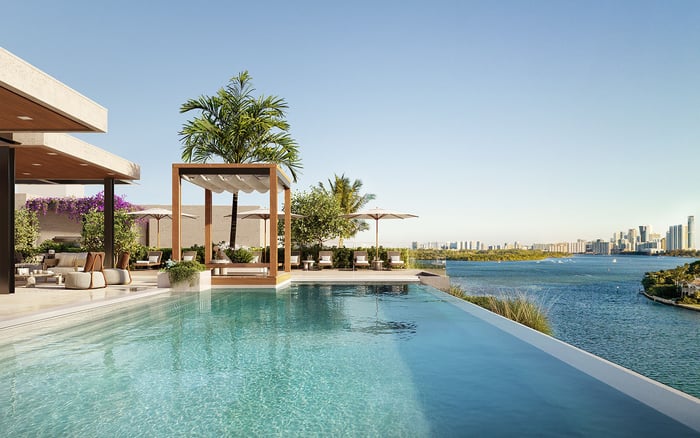
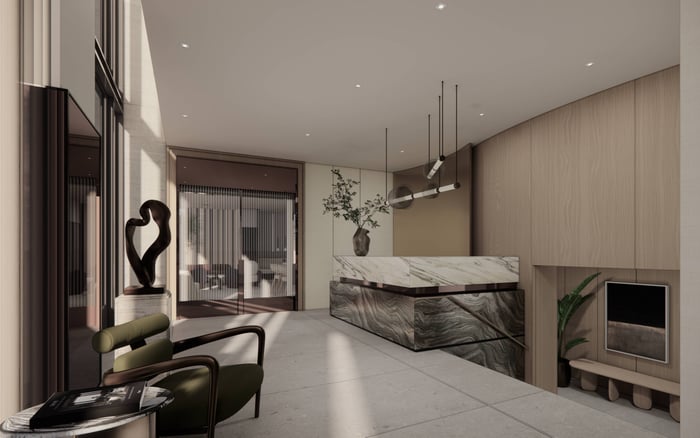
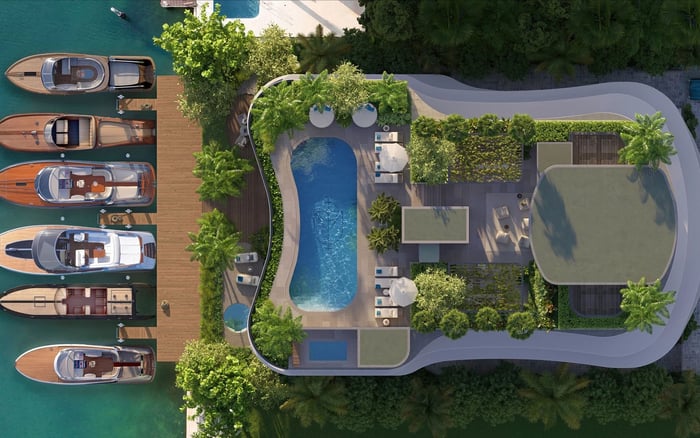
A discreet buyer’s guide to walkable luxury in Bay Harbor Islands, with a focus on service, privacy, and the quiet power of everyday access.
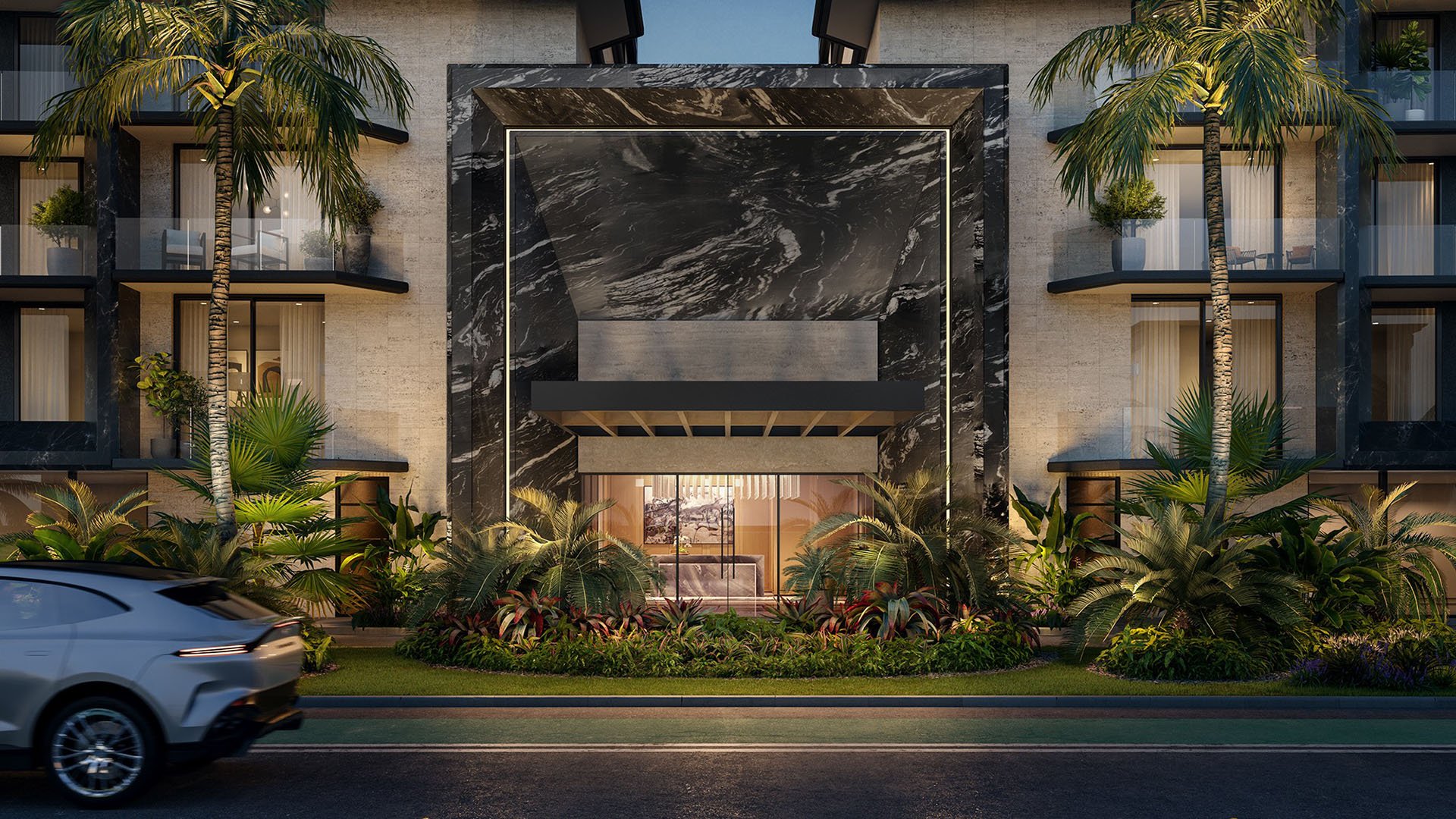
For the Bay Harbor Islands buyer, walkability is not a casual amenity. It is a filter for how life should feel between the front door, the lobby, the car, the water, and the next appointment. The most sophisticated purchasers are not simply asking whether a neighborhood is convenient. They are asking whether convenience can be experienced without noise, exposure, or compromise.
That distinction matters. Walkable luxury in Bay Harbor Islands is less about constant activity than low-friction living. A residence should support daily movement with ease, whether that means a morning errand, an unplanned lunch, a quiet walk, or an effortless return after an evening out. The buyer is not seeking spectacle. The buyer is seeking grace.
This is where the Bay Harbor brief becomes especially precise. It favors a composed residential atmosphere, a service culture that anticipates needs, and a location strategy that makes ordinary routines feel intentionally designed. Projects such as Alana Bay Harbor Islands enter the conversation because buyers increasingly evaluate a home not only by its interiors, but by how calmly it manages the transitions of daily life.
In South Florida’s most elevated buildings, service is often most valuable when it is least visible. The best version does not announce itself. It clears the path. It helps residents move from private residence to public life with minimal interruption, then return with the same quiet ease.
For walkable luxury, service has a particular function: it softens the edges of access. A well-run building allows owners to be spontaneous without feeling exposed. The lobby experience, the arrival sequence, the handling of guests, the rhythm of deliveries, and the confidence of the property team all influence whether a walkable setting feels elegant or merely busy.
This is why buyers considering Bay Harbor Towers are not only comparing residences. They are evaluating permanence, daily choreography, and whether the building can support a life that is both connected and protected. In this segment, service is not decoration. It is infrastructure for privacy.
Privacy has traditionally been associated with distance: behind gates, beyond long drives, or removed from neighborhood life. Bay Harbor Islands invites a more nuanced interpretation. Here, privacy can come from discretion rather than isolation. It is the ability to remain close to what is useful while maintaining control over one’s personal sphere.
That balance is particularly attractive to buyers who divide time between homes. A lock-and-leave owner may want immediate usability on arrival, without the burden of a sprawling property. A full-time resident may want a daily routine that feels intimate and manageable. A family may want convenience without the pressure of a highly public address. Each profile values access, but none wants access to become intrusion.
Buildings such as La Baia North Bay Harbor Islands help frame this conversation because the name itself signals a residential choice rooted in place rather than volume. For the discerning buyer, the question becomes: does the building help me live near the center of my routine while preserving the calm I am paying for?
The luxury market often measures value through views, finishes, brand associations, and architectural presence. Those factors still matter, but the most livable residences also produce a quieter dividend: time. Everyday access means spending fewer minutes solving small problems and more time enjoying the life the residence was meant to support.
In Bay Harbor Islands, this idea is especially relevant because buyers are often focused on practical elegance. They may already own larger estates elsewhere. They may be accustomed to private clubs, staff, travel, and highly controlled environments. What they want from a walkable residence is not a downgrade from that lifestyle, but a more efficient expression of it.
That is why a buyer may compare Onda Bay Harbor not only through the lens of design, but through the lens of routine. How easily does the day begin? How naturally does the residence support guests? How comfortable is the return home? How much does the building ask of the owner, and how much does it quietly resolve?
The right Bay Harbor Islands residence depends less on a universal definition of luxury than on the owner’s rhythm. A seasonal buyer may prioritize simplicity, arrival, and maintenance confidence. A primary resident may care more deeply about daily flow, storage, entertaining comfort, and the atmosphere of the building over time. A downsizing buyer may be seeking a home that feels substantial without requiring the management profile of a single-family estate.
This is where careful comparison matters. The strongest choice is not always the most dramatic one. It is the one that matches the owner’s cadence. A buyer considering The Well Bay Harbor Islands may be drawn to a lifestyle narrative around ease and wellbeing, while another buyer may prefer a quieter architectural identity or a different sense of arrival. The correct decision is personal, but the evaluation should be rigorous.
Look closely at how a building handles thresholds. The front door, lobby, elevator, parking experience, guest access, and common spaces all shape the lived experience. Walkability should not be evaluated only outside the building. It begins inside, with how gracefully the residence releases you into the day and receives you back at night.
For the ultra-premium buyer, the practical checklist is deceptively simple. First, define the intended use. A residence for full-time living carries a different burden than a pied-à-terre. Second, study privacy at every scale, from the unit entry to the building’s shared areas. Third, evaluate service as an operating system, not a hospitality flourish. Fourth, consider whether nearby access enhances life without changing the tone of the home.
The most enduring purchases in Bay Harbor Islands will likely be those that combine restraint with usability. The design should feel refined rather than loud. The building should feel managed rather than performative. The location should provide connection without demanding participation. This is the modern promise of walkable luxury: a home that makes the surrounding neighborhood available, but never lets the outside world take over.
What defines walkable luxury in Bay Harbor Islands? It is the pairing of everyday convenience with a private, composed residential experience. The goal is access without sacrificing discretion.
Is walkability the same as being in a busy urban district? No. For luxury buyers, walkability can mean calm proximity rather than constant activity or density.
Why does service matter in a walkable setting? Service helps manage transitions between public and private life. It allows convenience to feel effortless rather than exposed.
Who is the ideal buyer for this lifestyle? It suits full-time residents, seasonal owners, and lock-and-leave buyers who value simplicity, privacy, and daily ease.
Should buyers prioritize the building or the neighborhood? Both matter, but the building determines how gracefully the neighborhood is experienced each day.
Is boutique living important in Bay Harbor Islands? Many buyers are drawn to a more discreet residential tone. The appeal is often intimacy, control, and ease.
How should privacy be evaluated? Look beyond the residence itself and study arrival, lobby flow, guest handling, elevators, and shared spaces.
Can walkable luxury still feel quiet? Yes. The strongest settings provide access while preserving a sense of retreat once residents return home.
What should seasonal owners consider first? They should focus on ease of arrival, building management, maintenance confidence, and daily usability.
What is the best way to shortlist comparable options for touring? Start with location fit, delivery status, and daily lifestyle priorities, then compare stacks and elevations to validate views and privacy.
For a tailored shortlist and next-step guidance, connect with MILLION.
If branded residences are on your mind — as a home or as an allocation — we would be glad to share what we are seeing, privately.
Begin a quiet conversation