A buyer-oriented 2026 checklist for evaluating rooftop and upper-level amenity wind performance at Waldorf Astoria Residences Downtown Miami, with emphasis on comfort, documentation, mitigation, operations, and resale implications.
Waldorf Astoria Residences Downtown Miami sits in the category of luxury branded residence where the purchase decision is rarely about square footage alone. The appeal is broader: architecture, views, service culture, identity, and the promise that shared spaces will feel as polished as the private home. In that context, rooftop and upper-level amenities are not incidental. They are part of the ownership proposition.
For 2026 buyers, the due-diligence conversation should move beyond finishes, layouts, view corridors, and brand prestige. It should include a practical question that is easy to underestimate: how will the outdoor amenity areas perform in wind?
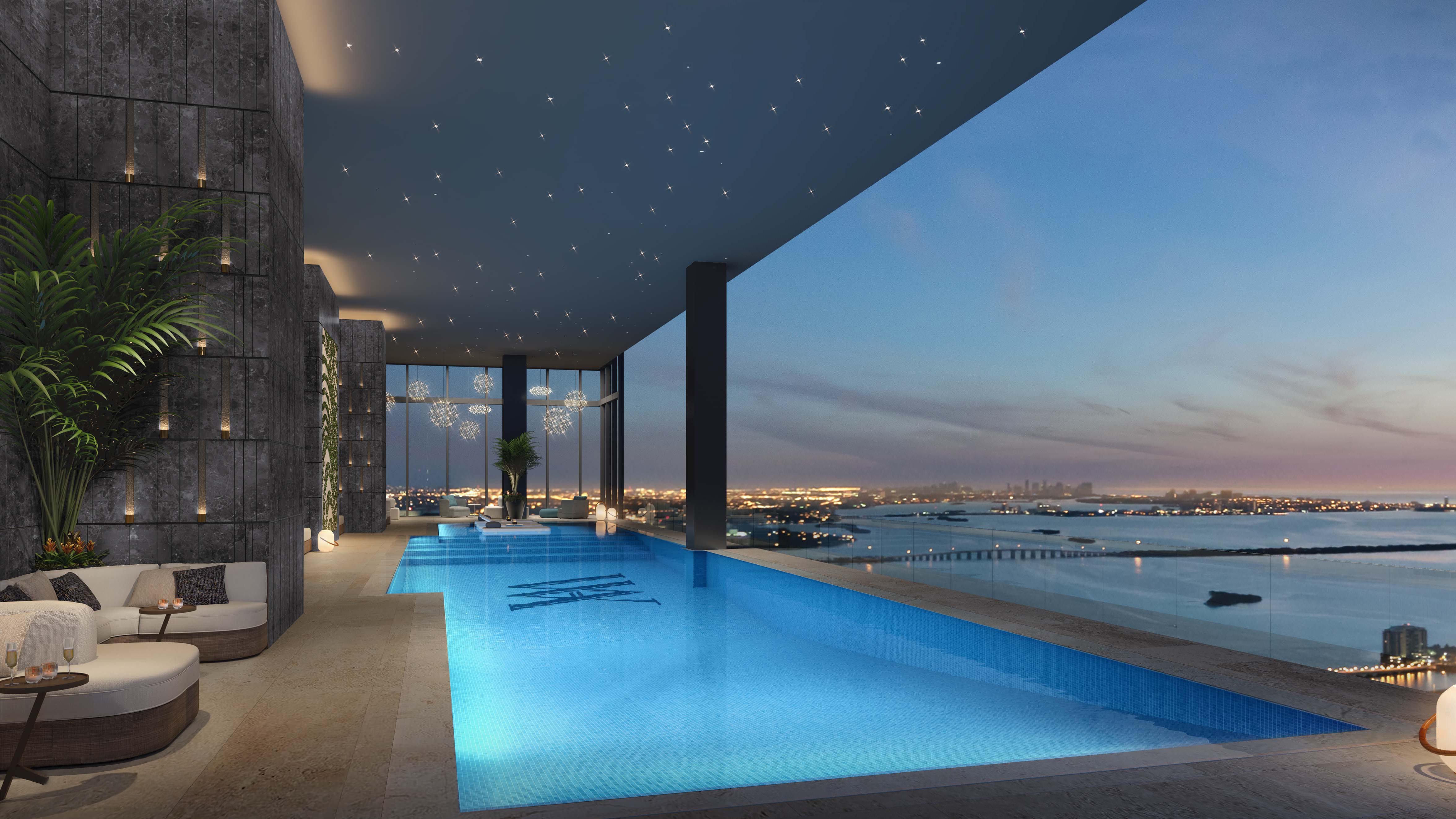
This is not a casual lifestyle question. Rooftop and upper-level terraces can experience materially different wind conditions than a lower podium, protected courtyard, or ground-level pool environment. A beautifully rendered deck can still contain zones that feel uncomfortable on ordinary windy days. The point is not to assume a problem. The point is to request the right documentation before the purchase becomes emotional.
The first distinction is essential. Hurricane-code structural safety and everyday amenity comfort are not the same due-diligence category. A building can be designed for extreme wind events and still have outdoor areas that are less pleasant to use during common conditions.
For the buyer, this means the answer to “Will the pool deck be too windy to use?” should not rest on sales-office reassurance. It should be treated as a technical question. The correct file may include wind-comfort criteria, test points, seasonal assumptions, exceedance data, or mitigation strategies. If those materials are not yet complete or available, the buyer can still ask how the project team intends to evaluate and operate the amenity zones.
At the ultra-prime level, comfort matters because shared pools, lounges, dining terraces, wellness decks, and social spaces contribute to the perceived value of ownership. A pool that looks cinematic in renderings but is frequently avoided in practice can affect lifestyle satisfaction. A terrace that performs well, by contrast, becomes part of the daily luxury of the residence.
The buyer’s review should begin with a direct request: was wind-tunnel testing or equivalent wind analysis performed for the building form and the amenity levels? If so, the buyer should ask whether the study considered the actual rooftop and upper-level amenity conditions rather than only broad structural behavior.
Useful materials can include wind-comfort criteria, specific test locations, diagrams identifying acceleration zones, and summaries showing how often certain conditions may be exceeded. The most valuable version is project-specific. Generic statements about tower engineering are less useful than documents tied to the actual amenity layout, edges, corners, parapets, screens, canopies, planting, and furniture zones.
For Waldorf Astoria Residences Downtown Miami, this line of inquiry is especially relevant because its luxury positioning makes amenity usability part of the residence’s practical value. Downtown buyers are often weighing brand, skyline presence, service, and access. Wind diligence adds another layer: whether the outdoor spaces will support the way the owner actually intends to live.
A sophisticated review does not treat the rooftop as one uniform surface. Conditions can vary by location. Corners, parapet edges, exposed dining areas, lounge groupings, wellness decks, and transition points between enclosed and open areas deserve special attention. So do the routes residents will use while moving between the pool, cabanas, seating, dining, and interior amenity rooms.
Ask how the design team has identified localized acceleration zones. Ask whether the pool edge, sun-lounge areas, and dining terraces were considered individually. Ask whether wind conditions were reviewed at seated height as well as standing height, and whether the amenity experience changes meaningfully by season or prevailing condition. If the information is not yet available in that form, ask what will be provided before closing or turnover.
For high-floor buyers, the same mindset should extend to private outdoor space. A residence may have extraordinary views, but the buyer should understand how often a balcony, loggia, or terrace-like area may feel comfortable. The issue is not simply whether a door can open. It is whether the outdoor space supports the lifestyle implied by the price point.
Wind mitigation should be evaluated as more than a decorative gesture. Screens, planting, parapets, canopies, furniture placement, and protected circulation can all affect how outdoor areas feel. The buyer should ask which features are permanent, which are movable, and which depend on future operating procedures.
Operations matter. Movable furniture protocols, weather-related amenity closures, and staff procedures can influence whether a deck feels calm and orderly or inconsistent. A luxury residence should have a clear philosophy for managing exposed outdoor spaces, especially when those spaces are central to the daily experience.
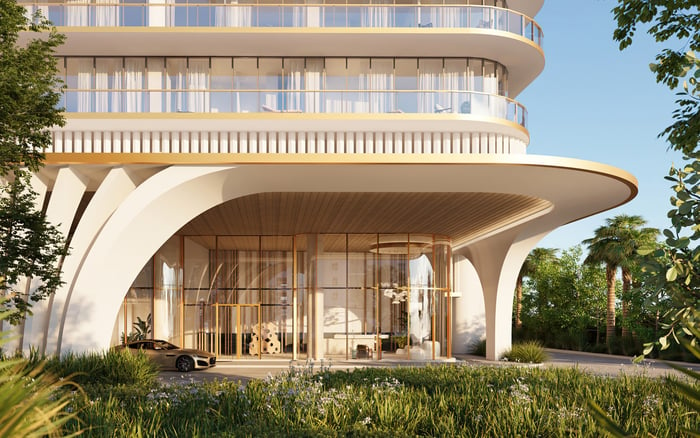
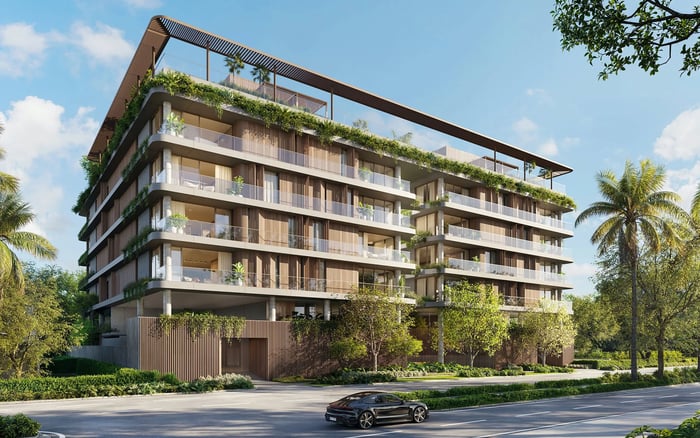
This is also where new-construction buyers should be careful with renderings. Renderings are designed to communicate atmosphere, not necessarily to prove comfort. They may show elegant dining settings, loungers, umbrellas, and planting, but the due-diligence file should explain how those elements perform in the physical environment.
Rooftop wind performance belongs in the same conversation as disclosures, purchase negotiation, lifestyle fit, and long-term resale. If the buyer receives robust documentation showing thoughtful analysis and mitigation, that can strengthen confidence. If the answers remain general, the buyer may still proceed, but with more careful expectations.
This is not about turning a luxury purchase into an engineering seminar. It is about aligning the asset with the way it will be used. A branded residence commands attention because it promises a complete living experience. At Waldorf Astoria Residences Downtown Miami, the amenity story is part of that experience, so the buyer’s diligence should be equally complete.
Downtown has a particular appeal for buyers who want skyline energy, access, and a vertical lifestyle. In that setting, exterior amenity comfort is a meaningful ownership variable. A buyer who treats wind as a documented performance issue is not being difficult. That buyer is protecting daily enjoyment and future marketability.
Ask whether wind-tunnel testing or equivalent analysis was performed for the building form and amenity levels.
Request the wind-comfort criteria used for outdoor amenities, not only structural wind assumptions.
Identify the specific test locations or study zones for pools, dining terraces, lounges, wellness decks, corners, and exposed edges.
Ask whether the study addresses usable days, frequency of uncomfortable conditions, and seasonal assumptions.
Review the mitigation strategy, including screens, planting, parapets, canopies, and furniture placement.
Ask which mitigation features are built into the design and which depend on future operations.
Request information on movable furniture protocols and weather-related amenity closures.
Consider how wind comfort may affect lifestyle expectations, guest experience, and resale conversations.
Keep the analysis tied to the actual amenity plan, not generic statements about luxury tower design.
Treat unresolved wind questions as negotiation and disclosure items, not afterthoughts.
Why is rooftop amenity wind important at Waldorf Astoria Residences Downtown Miami? Because outdoor amenities help define the value of luxury ownership, and high-elevation terraces can perform differently from protected lower spaces.
Is this the same as hurricane-code structural safety? No. Structural safety addresses extreme events, while comfort addresses whether residents will enjoy outdoor amenities during ordinary conditions.
What should a buyer request first? Ask whether wind-tunnel testing or equivalent analysis was performed for the tower form and specific amenity levels.
Which amenity areas deserve the most attention? Pools, dining terraces, lounges, wellness decks, corners, parapet edges, and other exposed zones should be reviewed carefully.
Can a rooftop deck be safe but still uncomfortable? Yes. A space can meet structural expectations yet feel too windy for relaxed daily use in certain conditions.
What documents are most useful? Wind-comfort criteria, test locations, exceedance information, seasonal assumptions, and mitigation descriptions are the core materials.
Should buyers rely on renderings? Renderings are useful for atmosphere, but they do not replace project-specific wind documentation.
How can mitigation improve comfort? Screens, planting, parapets, canopies, and furniture protocols may help manage exposed amenity areas when integrated thoughtfully.
Does this matter for resale? Yes. Amenity usability can influence buyer perception, lifestyle satisfaction, and future market positioning.
Is Downtown Miami especially relevant to this analysis? Yes. Downtown vertical living places a premium on elevated outdoor spaces, so wind comfort should be part of the buyer review.
To compare the best-fit options with clarity, connect with MILLION.
If branded residences are on your mind — as a home or as an allocation — we would be glad to share what we are seeing, privately.
Begin a quiet conversation