A practical guide to choosing and operating a seasonal residence in Key Biscayne, from property format and absentee management to rental rules, access and tax considerations.
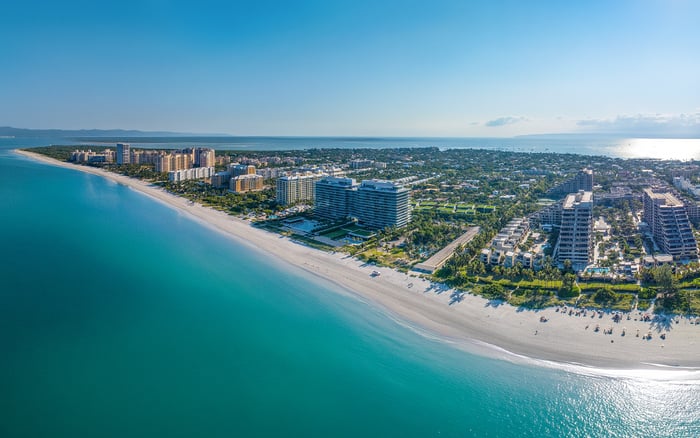
Key Biscayne offers the qualities of a recurring coastal base: beach access, outdoor recreation and village amenities within an island setting. Bill Baggs Cape Florida State Park anchors the southern end with approximately 1.25 miles of shoreline, along with cycling, kayaking, fishing, canoeing and picnicking. For a seasonal buyer, however, the decisive question is not simply whether the setting appeals. It is whether the residence can remain secure, well maintained and administratively straightforward during extended absences.
A second-home purchase should begin with a realistic calendar. Consider how often the household will arrive, whether visits will be planned or spontaneous, who will use the property and how quickly a local representative must respond when the owner is elsewhere. The best fit is the home whose operating demands align with that pattern.
This is where a disciplined buyer's-guide approach matters. Amenities shape the experience while in residence; association documents, rental limits, recurring costs and maintenance obligations shape ownership throughout the year.
Condominiums generally offer the more conventional lock-and-leave model. Shared management can reduce the owner's direct responsibility for common areas and building operations. Yet that convenience comes with association rules, access procedures and collective financial decisions. Before treating any building as effortless, buyers should review association finances, insurance, reserves, maintenance protocols and communication practices.
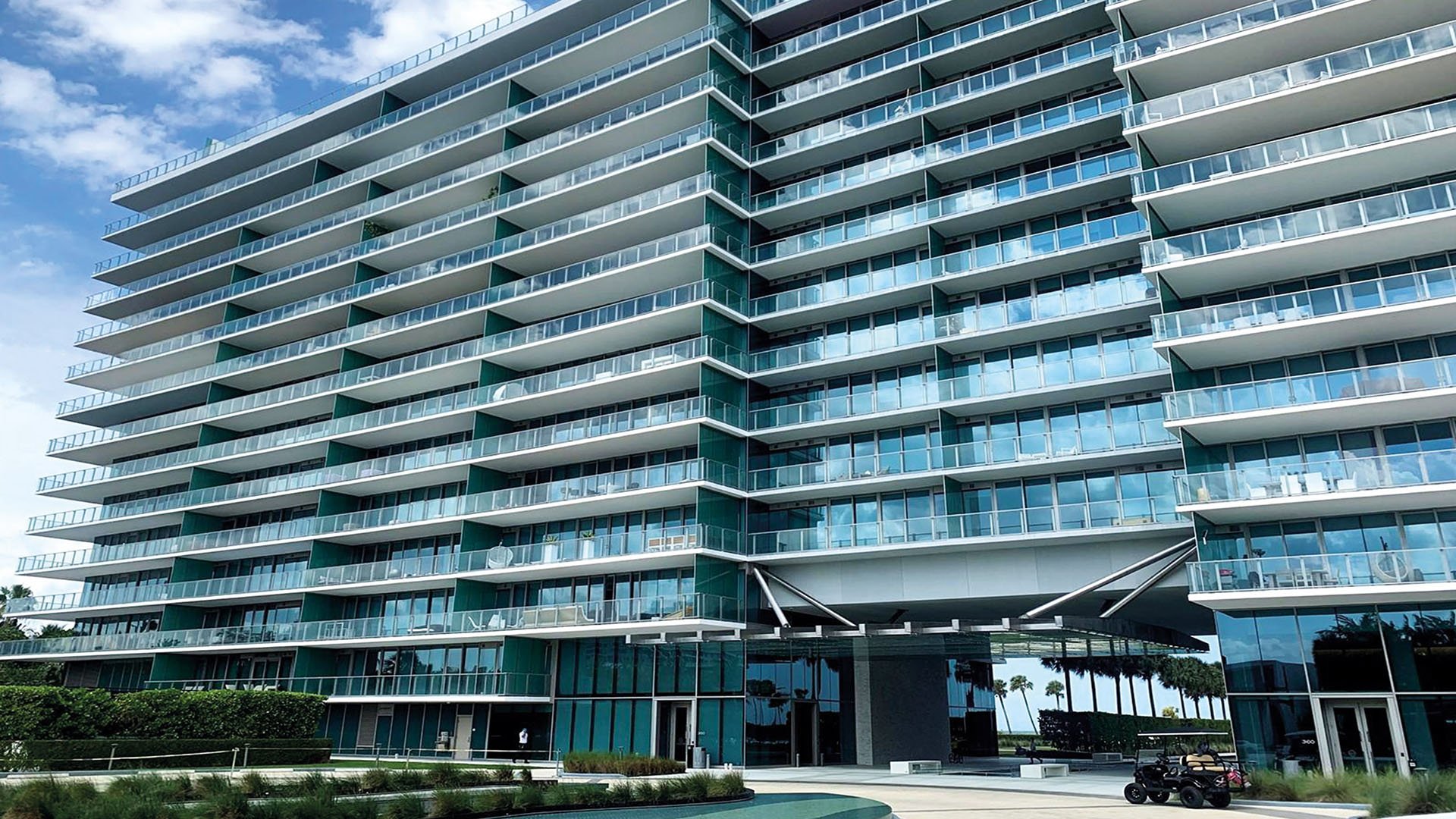
A residence at Oceana Key Biscayne can be considered within this condominium framework, but its documents and current operating requirements should be evaluated on their own terms. A project name or resort character alone does not establish rental flexibility, carrying costs or absentee-service standards.
A house offers greater privacy and direct control, which may suit buyers seeking a more autonomous waterfront lifestyle. That autonomy also transfers responsibility to the owner. Landscaping, security, repairs, vendor access and storm preparation all require direct supervision while the property is vacant. Neither format is inherently superior. The distinction is between delegated operations and owner-directed operations.
Before closing, identify who will inspect the residence, coordinate vendors and escalate urgent issues. A credible plan should establish routine security checks, a clear approval process for repairs, access credentials for authorized personnel and a method for documenting completed work. The objective is not merely caretaking. It is continuity of control when the owner cannot be present.
Condominium buyers should ask how management communicates water intrusion, mechanical concerns, building work and access interruptions. House buyers should define responsibility for exterior maintenance and storm readiness. In either case, qualified professionals should review insurance terms and service arrangements.
Buyers comparing the island with other seasonal formats may also examine Park Grove Coconut Grove or The Ritz-Carlton Residences® Miami Beach as distinct ownership contexts. Such comparisons are most useful when centered on governance, access and operating obligations rather than visual amenities alone.
The Rickenbacker Causeway is Key Biscayne's only point of ingress and egress. That concentration makes traffic conditions and evacuation logistics material considerations, especially for owners whose arrivals are tied to flights, events or limited holiday windows.
Buyers should test the journey at relevant times and determine how household members, guests, staff and vendors will manage access. Emergency planning also warrants attention. A seasonal residence should have a documented departure and storm protocol rather than depend on last-minute coordination.
Key Biscayne prohibits rentals of fewer than 15 days. Qualifying short-term rental activity requires a business tax receipt and compliance with applicable safety measures. Condominium documents may be stricter than the municipal minimum, so local eligibility alone does not establish that a particular unit may be rented on the owner's preferred schedule.
The code-enforcement contact for short-term-vacation-rental questions is [email protected] and (305) 365-7572. Buyers should still obtain legal, tax and association-document review before including rental income in an investment analysis.
Florida Homestead treatment adds another layer. Renting a homesteaded property for more than 30 days in a calendar year can affect the exemption, while renting for more than 30 days in each of two consecutive years can result in its loss. Owners who claim or expect to claim Homestead benefits should seek individualized tax advice before renting.
Fractional co-ownership offers another seasonal-use model. The buyer acquires a deeded real-estate interest while sharing acquisition and operating costs. It may suit households that value defined use over continuous availability, but governance, scheduling, transfer rights and expense allocation require careful legal review.
For full ownership, the final decision should rest on a straightforward operating test: who is responsible, which rules apply, what the residence costs when unused and how quickly a problem can be resolved. On Key Biscayne, seasonal ease is designed through diligence rather than assumed at purchase.
Can both houses and condominiums work as seasonal residences? Yes. Condominiums emphasize shared management, while houses provide more direct control and require greater owner oversight.
What makes a condominium attractive for seasonal ownership? Shared building management can support a lock-and-leave routine, subject to the association's rules, finances and operating practices.
What should a house owner arrange before leaving for the season? Establish supervision for landscaping, security, repairs, vendor access and storm preparation, supported by a clear escalation process.
Why does the Rickenbacker Causeway matter to buyers? It is the island's only point of ingress and egress, making traffic, arrival timing and evacuation planning relevant to ownership.
Are rentals shorter than 15 days permitted in Key Biscayne? No. Rentals of fewer than 15 days are prohibited under the short-term-rental ordinance.
Can a condominium impose a longer rental minimum? Yes. Building documents may establish restrictions stricter than the 15-day municipal minimum.
What is required for a qualifying short-term rental? Owners must obtain a business tax receipt and comply with applicable safety measures, along with any building rules.
Could renting affect Florida Homestead treatment? Yes. Renting beyond specified periods can affect or result in the loss of the exemption, making individualized tax advice important.
What should absentee owners ask a property manager? Ask about inspections, vendor coordination, security checks, repair authority, documentation and emergency escalation.
Is fractional co-ownership an option for seasonal use? Yes. It provides a deeded interest with shared acquisition and operating costs, subject to its governing terms.
For a discreet conversation and a curated building-by-building shortlist, connect with MILLION.
If branded residences are on your mind — as a home or as an allocation — we would be glad to share what we are seeing, privately.
Begin a quiet conversation