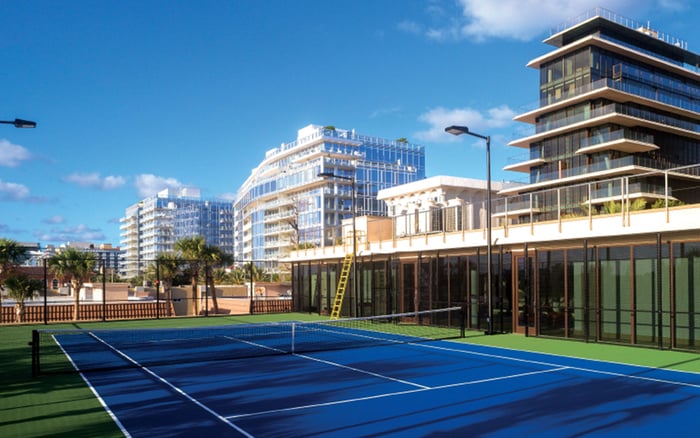
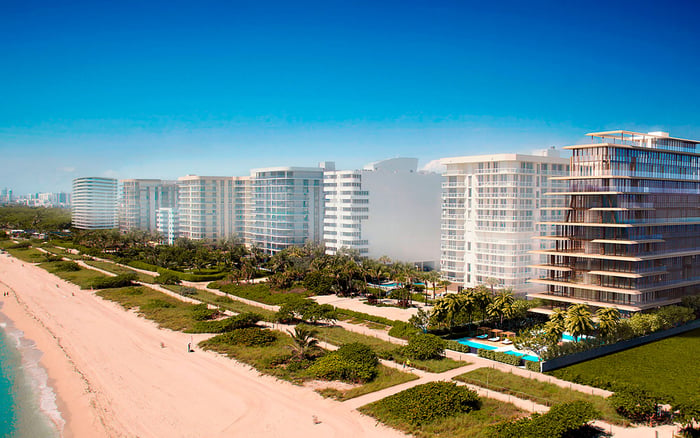
At Arte Surfside, line and floor selection shape far more than the headline ocean view. A disciplined review of exposure, oblique sightlines, daylight, privacy and nearby parcels can clarify which residence best suits a buyer's daily rhythm and long-term priorities.
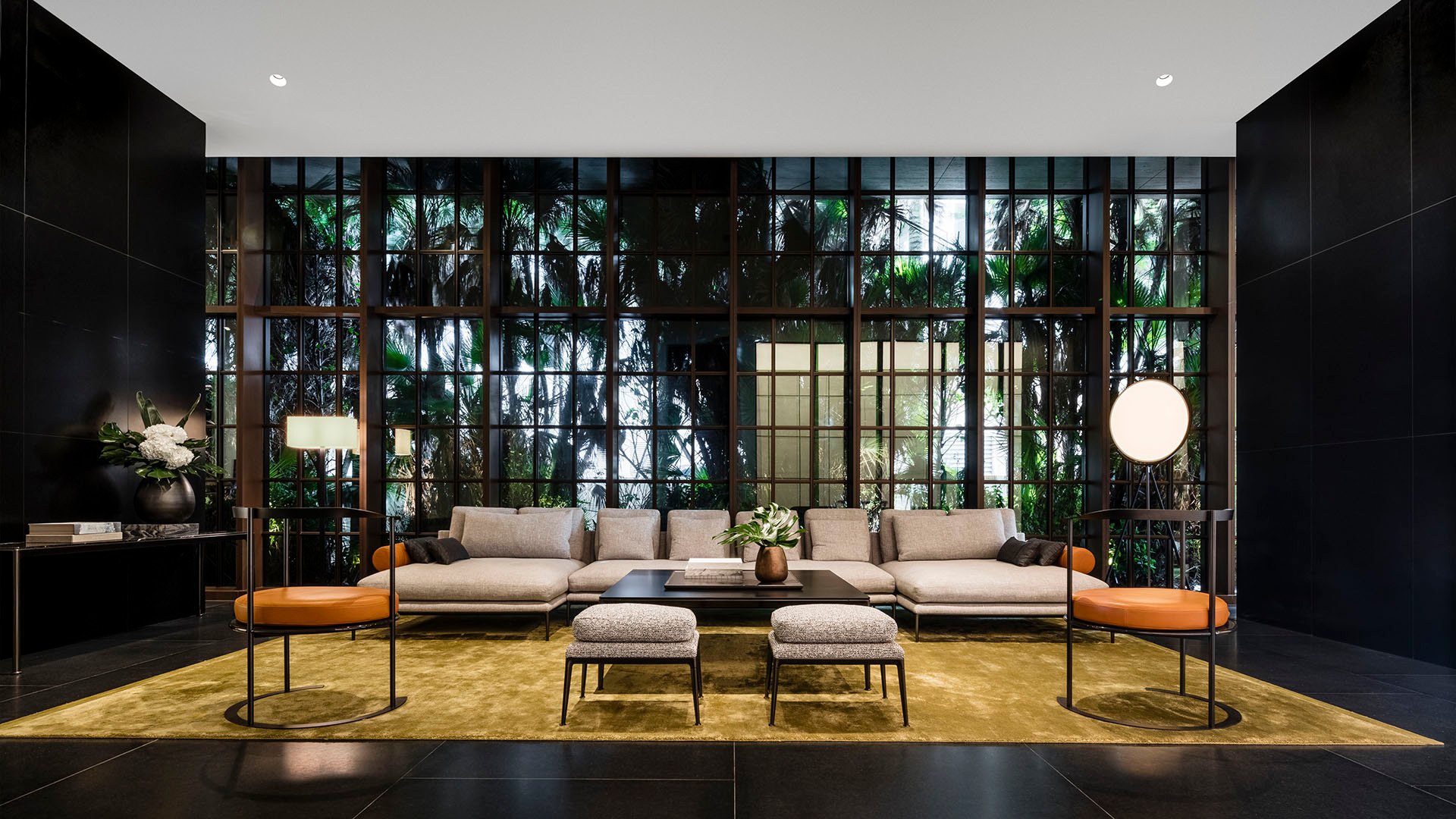
At Arte Surfside, the word “view” is only the beginning of the conversation. The oceanfront setting establishes the broad appeal, but each vertical stack, or line, can have a distinct relationship to the Atlantic, the coastline, adjacent properties and activity below. In a boutique building with a sculptural footprint, even subtle shifts in position can create meaningful differences in outlook and atmosphere.
Line selection is therefore less about identifying a universally superior residence than finding the exposure that best supports a buyer’s habits. One owner may value direct morning light and an emphatic ocean panorama. Another may prefer broader corner geometry, a more layered side view or greater separation from active sightlines. The best choice is personal, but the evaluation should be exacting.
The essential principle is simple: assess the actual residence rather than relying on a broad label such as “oceanfront” or “corner.”
A direct east-facing residence prioritizes Atlantic Ocean views and morning sunlight. That combination can create a bright start to the day, with the primary outlook defining much of the visual experience. Yet buyers should also examine what appears at the edges of the glass and from different positions on the terrace.
Corner residences may offer broader view geometry and more than one exposure, depending on floor and position. The benefit is not simply “more view,” but a potentially more varied composition as the eye moves from the principal panorama to oblique side sightlines. Balcony geometry, neighboring structures and landscaping can shape that composition, even within the same stack.
The same discipline applies when considering nearby coastal properties such as Ocean House Surfside or The Surf Club Four Seasons Surfside. Each property contributes to the local residential landscape, but every view assessment must return to the specific home, floor and angle under consideration.
Orientation determines more than brightness. It influences when direct light arrives, where glare may appear, how shaded areas shift and when interiors may experience stronger solar exposure. East-facing homes emphasize morning sunlight, while west-oriented exposure brings stronger afternoon light and potentially greater late-day solar heat gain.
Neither condition is inherently preferable. A buyer who uses the residence primarily in the morning may respond differently from one who entertains later in the day. Interior finishes, window treatments and furniture placement also interact with natural light, although their precise effects should be assessed within the residence itself.
Morning and afternoon visits are among the most useful steps a buyer can take. Photographs freeze a single moment. Touring at different hours reveals shifts in brightness, glare, shade and heat exposure, making it easier to understand how the home may feel in daily use.
Privacy at Arte Surfside can vary because a residence may face the beach, amenity areas, neighboring buildings or other active sightlines. A broad water view does not automatically eliminate visual exposure. Buyers should stand at the principal windows, move through private rooms and walk the terrace, looking both outward and back toward surrounding structures.
Floor height belongs in the same analysis. Greater elevation can alter visual privacy and increase separation from beach-level activity, but higher floors should not be treated as a substitute for inspecting angles. A neighboring sightline may remain relevant at elevation, while a lower residence may gain screening from landscaping or architectural elements. These conditions require direct verification.
This nuanced reading is equally useful across the broader Surfside market, including Fendi Château Residences Surfside and Eighty Seven Park Surfside. Oceanfront ownership is highly site-specific, and proximity alone does not make two outlooks equivalent.
A compelling view today warrants a forward-looking review. Sightlines toward nearby parcels should be examined to assess whether the outlook may remain resilient against future development. The relevant question is not only what is visible, but also what lies within the view corridor and how much of the panorama depends on looking across land beyond the building.
Buyers should avoid assumptions about development rights on neighboring parcels unless those details have been independently verified. Instead, distinguish the direct Atlantic outlook from side views that cross other properties. This separation helps identify which elements of the visual experience arise from the building’s oceanfront position and which may be more sensitive to the surrounding environment.
Water-view quality also has several dimensions: breadth, depth, visual privacy and durability. A narrower but direct ocean perspective may suit one buyer better than a wider composition with more active side sightlines.
Privacy, natural light, solar exposure and view durability may influence long-term buyer appeal and resale liquidity. They do not guarantee pricing performance, and no line should be presumed to outperform another without transaction evidence. Still, these attributes shape how future buyers may experience and compare residences.
The most resilient selection is often the one whose strengths are immediately legible. Clear ocean orientation, comfortable daylight, considered privacy and understandable sightlines can make a home easier to appreciate. Yet the premium a future purchaser assigns to those qualities will depend on market conditions, competing inventory and the residence itself.
For a current buyer, the objective is to align enduring real-estate fundamentals with personal preference. A home that supports daily routines while retaining a coherent visual proposition can offer both present enjoyment and a persuasive story when it eventually returns to market.
Begin at the entry and note when the water first becomes visible. Then examine the primary view from seated and standing positions in the main living area, followed by each bedroom and the terrace. Record direct views, oblique views and any reciprocal sightlines from neighboring properties or common areas.
Repeat the visit at a different hour. Compare brightness, glare, shade and perceived heat. Review the relationship between elevation and beach-level activity, then identify any nearby parcel within an important side-view corridor. Finally, compare candidate lines using the same criteria rather than allowing a single dramatic photograph to determine the decision.
This method grounds line selection in lived experience. It also gives advisers and buyers a shared vocabulary for discussing trade-offs with precision.
What does line selection mean at Arte Surfside? It means choosing among vertical stacks with different orientations, sightlines and relationships to the building’s surroundings.
Do east-facing residences receive morning light? Yes. Direct east-facing residences prioritize Atlantic views and morning sunlight.
Is a corner residence automatically the best choice? No. A corner may provide broader view geometry and more than one exposure, but the actual floor and position remain decisive.
Why should buyers inspect oblique views? Side angles can reveal neighboring buildings, active areas and view corridors that a primary ocean-facing photograph may not show.
How does western exposure affect a home? West-oriented exposure can introduce stronger afternoon light and potentially greater late-day solar heat gain.
Does a higher floor always provide more privacy? Not necessarily. Elevation can increase separation from beach activity, but surrounding sightlines and building geometry still matter.
When should a buyer tour the residence? Visit in both the morning and afternoon to compare brightness, glare, shade and heat exposure.
Can nearby parcels affect long-term view appeal? Potentially. Buyers should examine view corridors toward neighboring parcels and independently verify any relevant development considerations.
Will one line necessarily achieve a stronger resale result? No outcome should be assumed without transaction evidence, although privacy, light and view durability may influence buyer appeal.
What is the most important final check? Verify the exposure and sightlines from the specific residence, since floor height, structures, landscaping and balcony geometry can alter the experience.
If you'd like a private walkthrough and a curated shortlist, connect with MILLION.
If branded residences are on your mind — as a home or as an allocation — we would be glad to share what we are seeing, privately.
Begin a quiet conversation