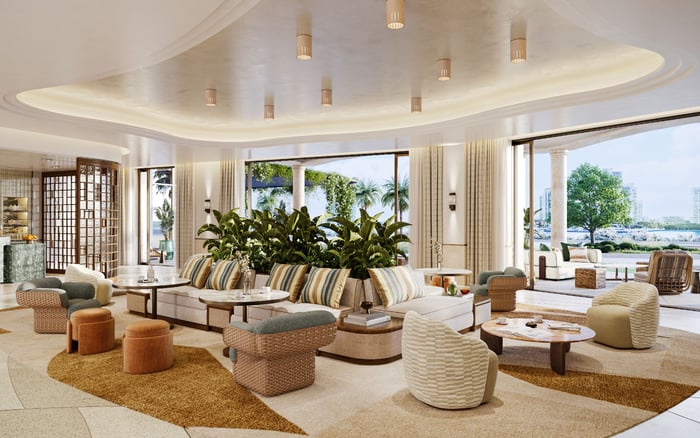
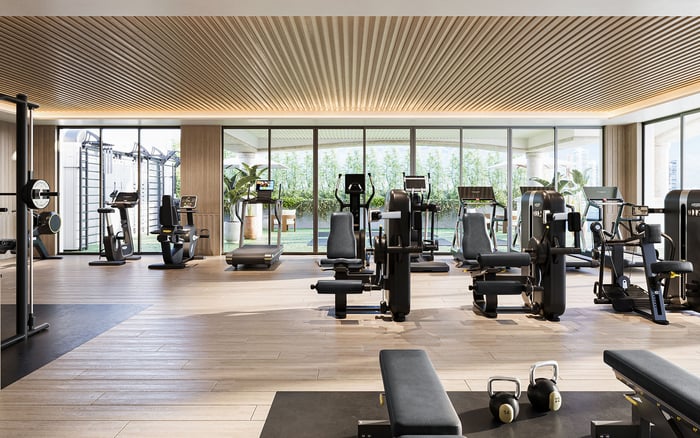
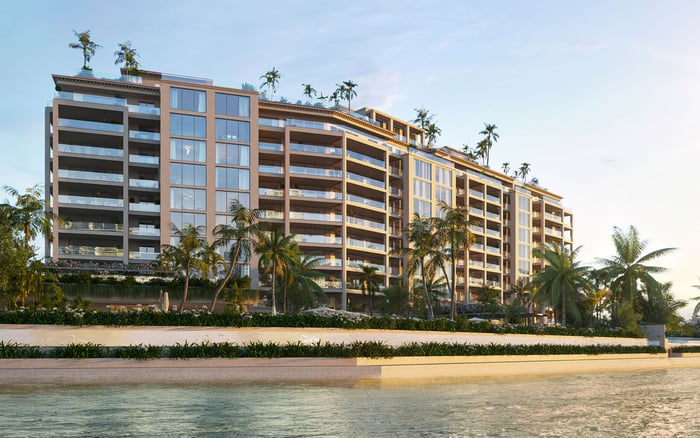
A buyer-focused framework for evaluating wellness amenities at Palazzo del Sol, from daily usefulness and service quality to operating costs and resale relevance.
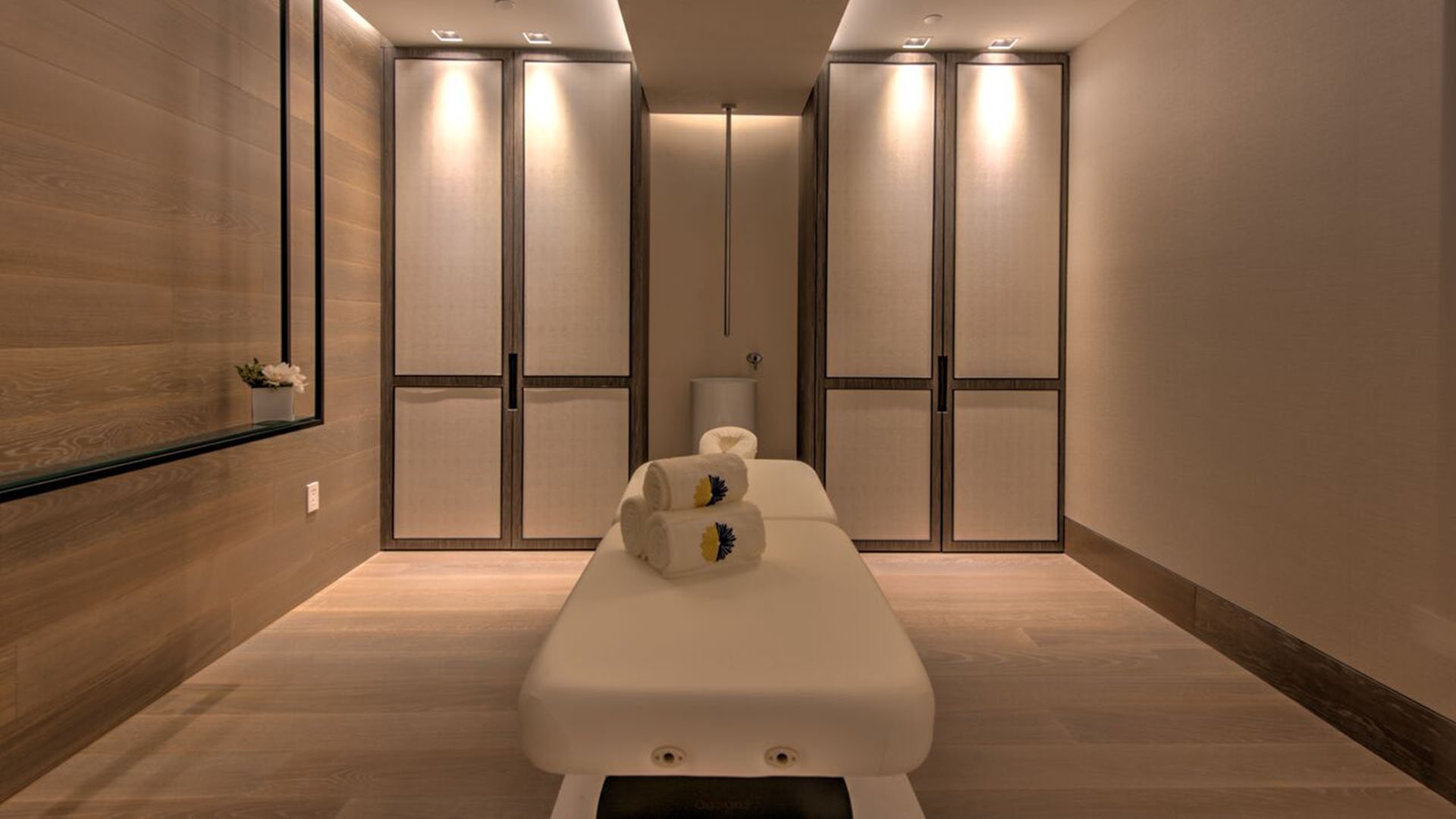
At the upper end of South Florida real estate, wellness language can describe anything from a genuinely useful daily environment to a collection of handsome but lightly used spaces. The distinction matters at Palazzo del Sol, where prospective purchasers should assess each wellness proposition as part of the broader ownership experience-not as a line item in a presentation.
A serious review begins with personal behavior. Will the owner exercise before breakfast, seek privacy after travel, entertain family around a pool, or rely on staff to arrange appointments and prepare spaces? An amenity has lifestyle value when it removes friction from a routine. Its decorative appeal is secondary.
For anyone researching Palazzo del Sol Fisher Island, the most revealing question is simple: What will this feature allow me to do more easily, privately, or consistently than my current residence?
Broad terms such as wellness, restoration, vitality, and holistic living should be translated into specific operating questions. What space is available? Who may use it? Is access immediate or scheduled? What hours apply? How many residents can reasonably use it at once? What standards of service, cleaning, and maintenance support it?
This approach does not diminish design. Beautiful rooms, calm lighting, considered acoustics, quality materials, and intuitive circulation can meaningfully shape a routine. Yet design earns its value when it performs under ordinary conditions, including busy mornings, visiting family, staff coordination, and seasonal occupancy.
Ask to walk through a realistic day rather than a staged tour. Trace the path from the residence to exercise, relaxation, outdoor time, and back again. Note transitions, privacy, elevator dependence, changing requirements, storage, and exposure to weather. Small inconveniences often determine whether a feature becomes habitual or remains merely admired.
The first test is frequency. Daily or weekly use generally carries more personal value than an occasional experience, even when the latter photographs better. The second is exclusivity. Determine whether access is private to residents, shared, reservation-based, limited for guests, or subject to separate arrangements.
The third test is operational quality. Wellness infrastructure depends on cleanliness, preventive maintenance, staffing, supplies, scheduling, and clear etiquette. A room is not a service, and an impressive concept is not an operating standard. Buyers should distinguish permanent physical features from programs that may change over time.
The fourth test is substitution. Ask whether the same benefit can be obtained easily elsewhere-and whether leaving the property would materially reduce convenience or privacy. On Fisher Island, this analysis should reflect the purchaser’s actual routine and preferred degree of separation, not a generic idea of luxury.
Marketing language expresses an intention. Ownership documents, budgets, rules, disclosures, and service arrangements reveal how that intention is administered. Review which entity controls each space, what access is included, what may incur an additional charge, and how guests, household staff, trainers, therapists, and other providers are treated.
Pay particular attention to the division between fixed infrastructure and discretionary programming. Physical spaces may remain while instructors, treatment menus, hours, vendors, and reservation systems evolve. Ask who can change those elements and how residents are notified.
Costs deserve equal precision. Rather than asking whether fees are high or low in isolation, consider whether the spending supports the features and service levels you expect to use. A well-maintained amenity can justify meaningful expense for one household yet offer little relevance to another. Here, disciplined buyer’s-guide thinking is more useful than a universal score.
A useful comparison set should begin close to home. Reviewing Palazzo della Luna, The Residences at Six Fisher Island, and The Links Estates at Fisher Island can help buyers formulate sharper questions about privacy, shared experiences, and the relationship between residence and community.
The purpose is not to declare a superficial winner. Different properties may organize ownership, services, and common spaces differently, and those distinctions require current documentation. Compare the same categories across every candidate: access, capacity, privacy, staffing, operating hours, guest policy, costs, and the ease of navigating a normal day.
Then test unlike alternatives. One buyer may prefer generous private space and outside specialists to extensive shared facilities. Another may value immediate access and a managed environment. Both choices can be rational. The premium should follow the owner’s behavior, not the longest amenity description.
Wellness can support resale appeal when it is legible, maintained, appropriately scaled, and relevant to the likely buyer pool. It can become neutral when purchasers view it as redundant, inconvenient, costly, or operationally uncertain. No single feature guarantees pricing power.
Durability is therefore essential. Examine whether spaces can adapt as preferences change, whether equipment can be refreshed without major disruption, and whether the service model appears practical. Timeless proportions, privacy, daylight, acoustic control, and straightforward circulation may age more gracefully than highly specific concepts.
The buyer’s final assessment should combine personal utility, documented access, operating credibility, recurring cost, and future flexibility. That framework separates a polished promise from a genuine ownership benefit.
Before assigning value, request current documents and confirm material details with the appropriate legal, financial, and property professionals. Visit at a representative time, not only during a private presentation. Clarify rules, scheduling, guest access, maintenance responsibilities, anticipated updates, and any separate charges.
Most importantly, rank features before negotiating. Divide them into four categories: essential, frequently useful, occasionally enjoyable, and irrelevant. A buyer who completes that exercise can evaluate the residence with greater clarity and avoid paying emotionally for benefits that will rarely enter daily life.
What makes a wellness amenity genuinely valuable? Regular use, convenient access, privacy, sound operations, and reasonable cost make it valuable to a particular owner.
Should buyers rely on amenity names in marketing materials? No. Translate each name into physical space, access rules, services, staffing, hours, and charges.
Why is an in-person visit important? A visit reveals circulation, noise, privacy, capacity, and practical transitions that images may not convey.
Which documents should a buyer review? Review current governing documents, budgets, rules, disclosures, and relevant service arrangements with qualified advisers.
Can wellness programming change after purchase? Programming, vendors, schedules, and policies may change, so buyers should distinguish them from fixed infrastructure.
How should recurring costs be evaluated? Compare the owner’s expected use with the services, maintenance, staffing, and convenience those costs support.
Do more amenities automatically create more value? No. Relevance, execution, privacy, and frequency of use matter more than the number of features.
How should guest access affect the decision? Confirm limits, reservations, fees, and supervision, because guest policies can shape both convenience and privacy.
Can wellness amenities strengthen future marketability? They may help when maintained and broadly useful, but they do not guarantee demand or a price premium.
What is the best final test before buying? Map the amenities against a normal week and value only the benefits the household is likely to use.
For a discreet conversation and a curated building-by-building shortlist, connect with MILLION.
If branded residences are on your mind — as a home or as an allocation — we would be glad to share what we are seeing, privately.
Begin a quiet conversation