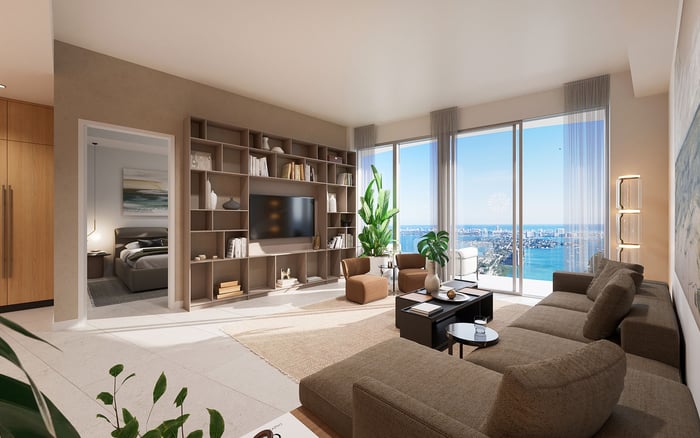
A buyer-oriented 2026 checklist for evaluating private wellness spaces, spa equipment, building approvals, operating rules, maintenance exposure, and resale considerations at Viceroy Brickell.
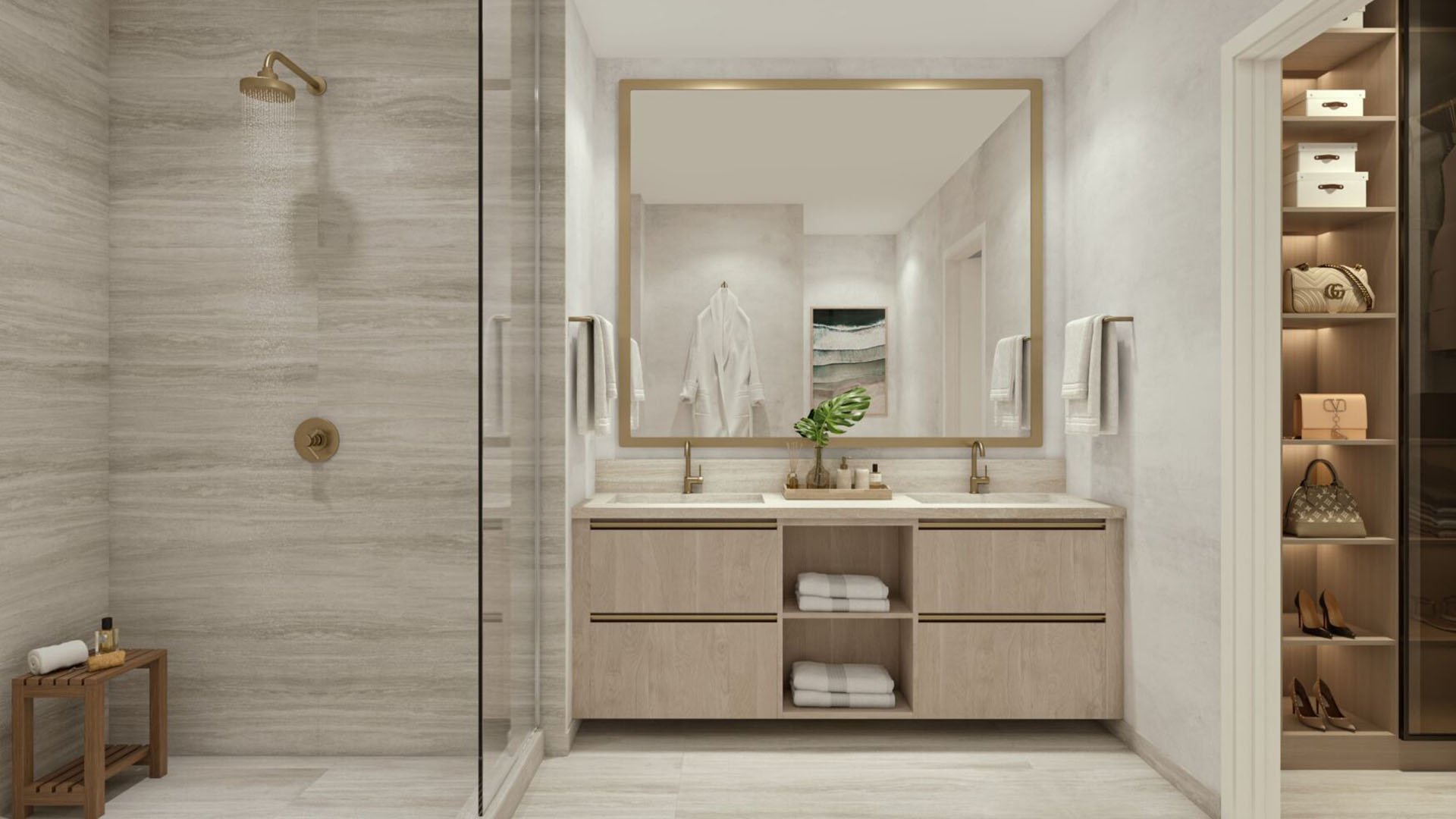
For the ultra-premium buyer, a private spa is no longer a decorative indulgence. It is an operating environment with mechanical demands, acoustic implications, moisture exposure, service requirements, and governance considerations. At Viceroy Brickell, the 2026 diligence conversation should begin with a clear distinction: a beautiful wellness room is design; a reliable wellness room is infrastructure.
The objective is not to diminish the pleasure of the purchase. It is to protect it. A steam shower, sauna, plunge feature, massage room, treatment alcove, recovery lounge, or upgraded bathing suite can elevate daily life when it is properly designed, permitted where required, maintained, and compatible with the building’s rules. When those elements are misaligned, the spa becomes a recurring management issue rather than a private sanctuary.
Brickell buyers are often fluent in views, finishes, parking, and services. Home spa operations require an additional lens, one that looks behind stone, glass, millwork, and mood lighting. The checklist below is designed for that review.
Before evaluating costs or aesthetics, define exactly what the residence is expected to do. A quiet recovery bathroom is a different proposition from a fully equipped wellness suite. The buyer should identify every element that adds heat, humidity, water load, electrical draw, sound, vibration, drainage, chemicals, fragrance, or vendor access.
This is also the moment to distinguish fixed improvements from movable equipment. Built-in steam systems, specialty plumbing, waterproofed benches, heated floors, integrated sound, and custom ventilation may affect the unit’s infrastructure. Portable massage tables, red-light devices, compact recovery equipment, and furniture usually raise fewer physical issues, but they may still touch rules around storage, vendors, insurance, or guest use.
A thoughtful scope protects the purchase process from vague assumptions. It also gives the buyer’s attorney, inspector, designer, contractor, and insurance adviser a shared operating language.
In a condominium environment, the private residence is never entirely isolated from the building. The association’s governing documents, alteration guidelines, work-hour policies, contractor requirements, elevator procedures, waterproofing standards, and insurance requirements may shape what is possible.
For a new-construction purchaser, the review should begin early, before customization becomes emotionally fixed. For a resale buyer, the focus should include prior alterations, whether improvements were approved, and whether any warranties, manuals, maintenance records, or permits are available for spa-related systems.
If the acquisition thesis includes investment use or short-term rentals, the rules deserve even closer attention. A spa feature that feels intuitive for an owner-occupant may create different questions when guests, tenants, vendors, or rotating users are involved. The review should confirm not only whether a use is permitted, but how it must be managed.
Moisture is the central operating risk in any private spa environment. The due diligence process should examine waterproofing, drainage, ventilation, condensation control, seals, transitions, penetrations, and the relationship between wet areas and adjacent finishes. Stone, wood, wallpaper, plaster, mirrors, cabinetry, and lighting can all behave differently under repeated humidity.
A steam feature should prompt targeted questions. Where is the generator located? Is there adequate access for service? Is ventilation sufficient for the room and adjacent areas? Are slopes, benches, doors, and ceilings designed to manage condensation? Are finishes compatible with repeated heat and moisture?
Pool adjacency, if relevant to the residence or amenity routine, adds another practical layer. Wet circulation routes, towel storage, floor traction, elevator etiquette, and service protocols can shape the lived experience. Balcony areas also deserve attention where buyers imagine open-air recovery, outdoor showers, loungers, cold exposure routines, or plantings that increase moisture and drainage considerations.
Luxury wellness equipment can be demanding. Even when a device appears compact, it may require dedicated electrical capacity, shutoff access, water connections, drainage, clearances, ventilation, or periodic replacement. The review should identify whether current systems can support the intended use without compromising safety, warranties, or association requirements.
Service access is often overlooked. The most elegant spa installation still needs maintenance. A buyer should understand how technicians enter, where equipment panels are located, whether parts can be replaced without disturbing finishes, and whether any component is concealed behind custom millwork or stone. Hidden systems can be beautiful, but they should not be unreachable.
The same discipline applies to scent systems, sound systems, lighting controls, heated surfaces, smart glass, water filtration, and specialty fixtures. Each has a maintenance profile. The more integrated the spa, the more important documentation becomes.
A home spa may involve massage therapists, estheticians, recovery specialists, maintenance technicians, cleaners, or equipment vendors. The buyer should review building access protocols, parking, loading, elevator reservations, insurance certificates, identification procedures, and permitted hours.
Privacy should be treated as both a lifestyle value and an operational detail. Where will vendors wait? Which elevator will they use? Can treatments occur without disrupting household circulation? Are cameras, access controls, or smart locks configured appropriately? Does the treatment area allow discretion for family members and guests?
In Brickell, where many owners balance business, travel, and entertaining, the best private spa spaces feel effortless because the operational choreography has been resolved in advance.
The cost of a private spa is not only its installation. It is cleaning, consumables, inspections, filters, parts, specialized service, finish care, utility use, and eventual replacement. Buyers should ask for manuals, maintenance schedules, warranty information, service history, and any records tied to prior repairs.
Insurance review is equally important. Water, humidity, heat, and electrical equipment can affect coverage questions, especially when improvements are customized. A buyer should understand whether additional disclosures, endorsements, inspections, or documentation are advisable. If staff or third-party providers will operate in the residence, liability questions should be reviewed before closing or before the spa is activated.
This is where discretion and discipline meet. The more serene the space is intended to feel, the more rigorous the back-of-house planning should be.
A private spa can strengthen a residence when it is elegant, durable, code-conscious, documented, and flexible. It can narrow the audience when it is overly personal, difficult to maintain, or expensive to reverse. The best wellness improvements feel integrated into the home rather than imposed upon it.
Buyers should ask whether the spa enhances daily living even for someone with different routines. Can a treatment room also function as a lounge, study, dressing area, or guest-support space? Are finishes timeless enough to survive changing wellness trends? Is the equipment removable without leaving architectural scars?
In the 2026 luxury market, wellness matters, but execution matters more. A disciplined checklist allows the buyer to enjoy the promise of Viceroy Brickell without mistaking ambiance for assurance.
Confirm the intended spa program in writing, including steam, sauna, plunge, treatment, recovery, bathing, audio, scent, lighting, and storage components. Then align that program with building rules, contractor standards, alteration approvals, utilities, waterproofing, ventilation, access, vendor protocols, maintenance, insurance, and resale flexibility.
Ask for documentation before relying on verbal assurances. Review the residence with professionals who understand moisture, mechanical systems, condominium procedure, and luxury finish protection. Finally, keep the design reversible where possible. A private spa should be a privilege, not a constraint.
What is the first step in spa due diligence? Define the exact spa program, then test each component against building rules, utilities, moisture control, and maintenance needs.
Should buyers review association documents? Yes. Governing documents and alteration procedures can determine what equipment, vendors, work hours, and improvements are allowed.
Why is ventilation so important? Steam, heat, and humidity can affect finishes and adjacent rooms if ventilation and condensation management are inadequate.
Can a spa feature affect insurance? It can. Buyers should review water, electrical, heat, vendor, and liability considerations with an insurance adviser before use.
What records should a buyer request? Request approvals, permits where applicable, manuals, warranties, service history, maintenance schedules, and contractor information.
Are portable wellness devices simpler? Usually, but they may still raise questions about electrical load, storage, vendor access, noise, vibration, or guest use.
How should buyers think about resale? Favor flexible wellness spaces with durable finishes, accessible systems, and designs future buyers can adapt easily.
Do vendor protocols matter in a private residence? Yes. Access, parking, elevator use, identification, insurance certificates, and permitted hours can shape daily privacy.
What should be inspected most carefully? Prioritize waterproofing, drainage, ventilation, service access, electrical capacity, plumbing connections, and finish compatibility.
What is the best way to shortlist comparable options for touring? Start with location fit, delivery status, and daily lifestyle priorities, then compare stacks and elevations to validate views and privacy.
For a discreet conversation and a curated building-by-building shortlist, connect with MILLION.
If branded residences are on your mind — as a home or as an allocation — we would be glad to share what we are seeing, privately.
Begin a quiet conversation