A buyer-focused comparison of Alma and Origin in Bay Harbor Islands, examining wellness spaces, likely amenity demand, disclosed air and water systems, pool treatment, and the operating rules purchasers should verify before committing.
In luxury residential real estate, wellness can describe markedly different propositions. It may mean a tranquil garden and a place to practice yoga, or engineered air treatment, whole-home water filtration, recovery facilities, and tightly managed amenity access. For buyers assessing Bay Harbor Islands, distinguishing among these categories is essential.
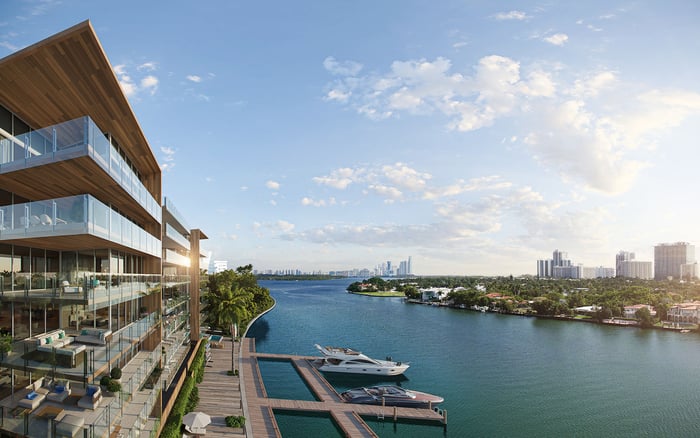
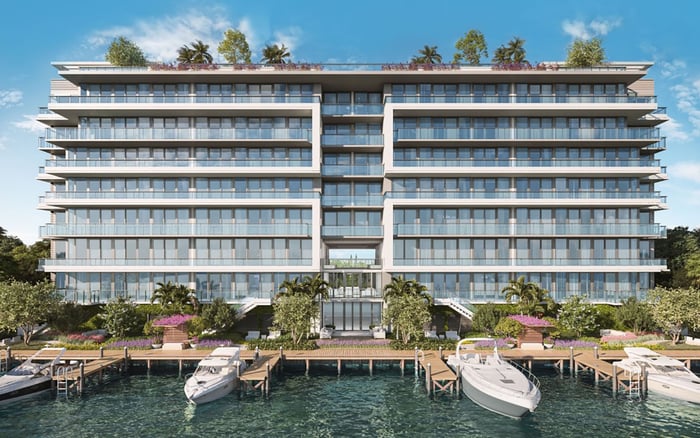
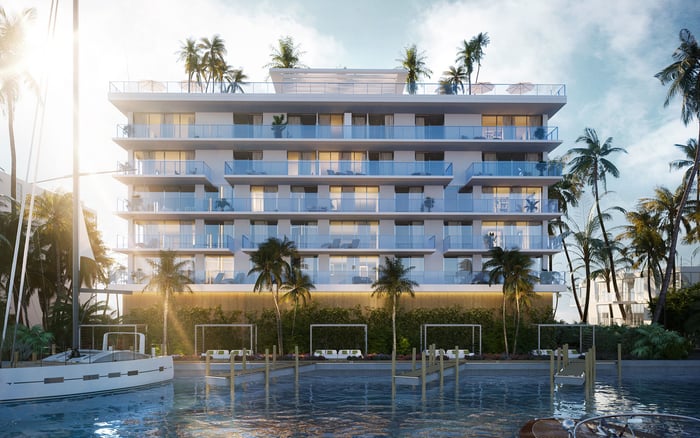
Alma Bay Harbor Islands presents wellness primarily through atmosphere and dedicated space. The nine-residence boutique condominium at 1160 101st Street offers three- to five-bedroom homes with approximately 2,503 to 4,443 interior square feet and terraces reaching roughly 1,300 square feet. Select five-bedroom residences include a Wellness Room. The rooftop program encompasses a pool and lounge, an exercise and yoga deck, a landscaped wellness garden, a curated wellness space, and a summer kitchen with barbecue.
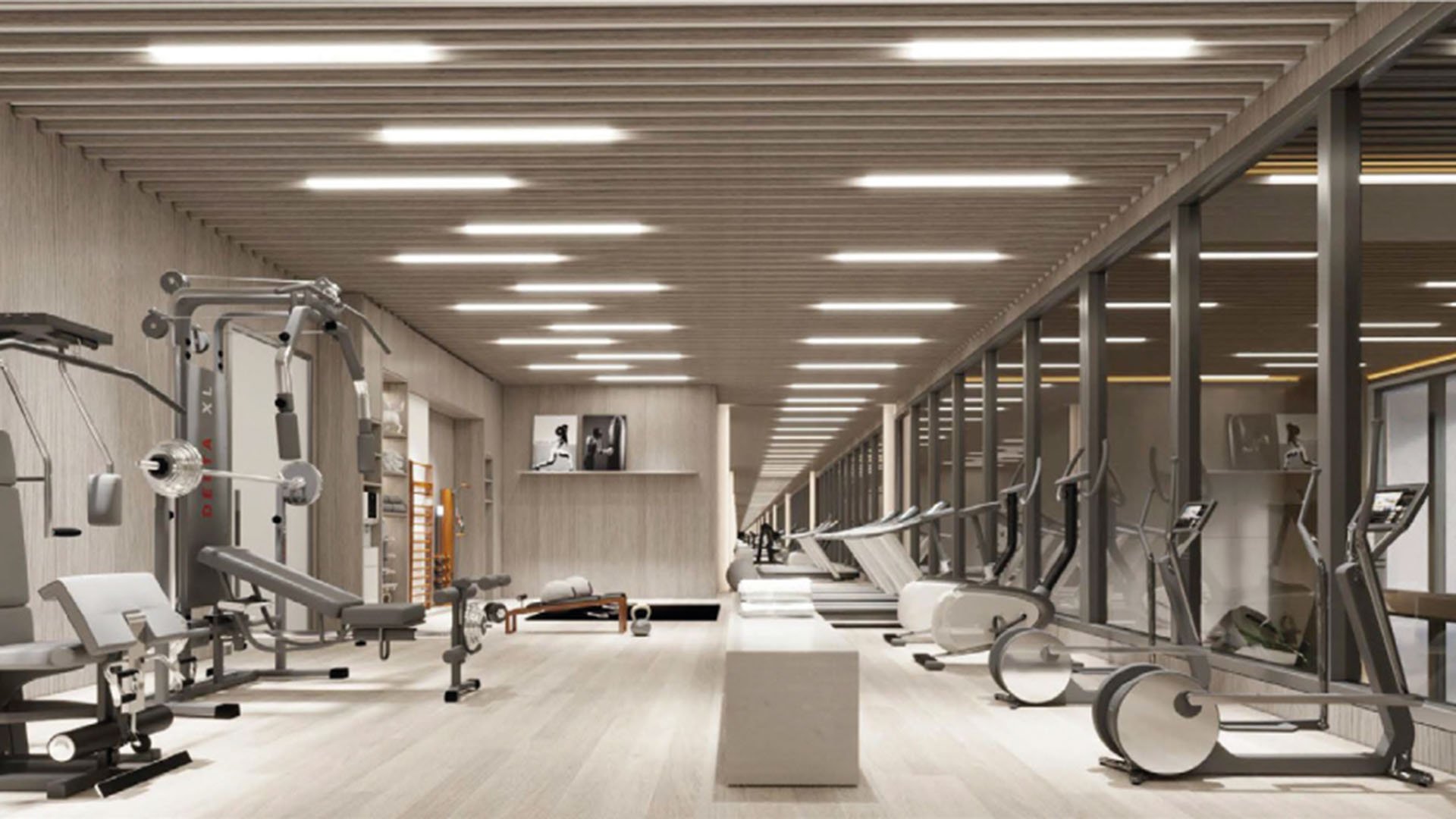
Origin Bay Harbor Islands, at 9760 West Bay Harbor Drive, expresses a more social, fitness-oriented lifestyle. Its amenities include a panoramic rooftop pool and bar, poolside summer kitchens, and a fitness center with state-of-the-art equipment. Personalized service, 24-hour security, and advanced technology also form part of its positioning. The emphasis is on design, exercise, waterfront recreation, and gathering rather than clinical wellness or biohacking.
Wellness value rests not only on what an amenity is called, but on how it performs and operates.
Neither project specifies maximum occupancy for its wellness or rooftop facilities. Alma nevertheless offers an important structural clue: only nine residences share its common spaces. This creates a substantially smaller potential amenity-user base than a conventional high-rise, although it does not guarantee privacy, unrestricted access, or a particular resident-to-amenity ratio.
For an Alma buyer, capacity diligence should focus on how the rooftop components interact. The pool, loungers, yoga and exercise deck, wellness garden, and summer kitchen occupy a shared amenity setting. A resident envisioning a quiet morning practice should determine whether simultaneous social use, guests, or private events could affect that experience. The Wellness Room in select five-bedroom homes may be especially valuable to purchasers who prefer an in-residence retreat independent of common-area traffic.
Origin’s rooftop combines swimming, a bar, and summer kitchens, making social demand particularly relevant. Its fitness center adds another category of shared use, but available details do not establish equipment counts, room capacity, peak-hour protocols, or whether sessions can be reserved. Buyers should not treat a panoramic pool or sophisticated fitness room as evidence of constant availability.
For Bay Harbor buyers, boutique scale can be a meaningful advantage, but operating documents ultimately determine practical access. Capacity is not merely a head count. It also reflects layout, furniture allocation, guest privileges, event permissions, and the degree to which distinct uses can occur without conflict.
Alma’s residence and amenity descriptions do not specify HEPA filtration, MERV ratings, UV-C treatment, or built-in residential air purification. Origin’s features likewise do not identify MERV-13 or higher filtration, HEPA systems, UV-C treatment, bipolar ionization, or in-unit purification.
This is a disclosure boundary, not proof that enhanced systems are absent. A purchaser with allergies, respiratory sensitivities, or exacting indoor-environment preferences should request current mechanical specifications in writing. The review should address filter ratings, outdoor-air delivery, ventilation design, humidity control, equipment serving individual residences, and responsibility for filter replacement and system maintenance.
Humidity control deserves particular attention because comfort depends on more than particle capture. Buyers should ask whether controls operate at the residence level, what equipment serves common corridors and amenity rooms, and whether fresh-air and exhaust strategies differ among homes, fitness areas, and enclosed social spaces. Any proposed owner-installed purifier should also be reviewed for compatibility with the residence’s mechanical design and applicable building rules.
A useful local benchmark is The Well Bay Harbor Islands. Its program expressly promotes integrated air and water filtration with built-in aromatherapy, alongside meditation nooks, integrated yoga mats, therapeutic tubs, and rain showers. It also identifies a sauna, steam room, caldarium, cold plunge, and wellness-technology locker. The comparison clarifies a crucial point: when specialized wellness engineering is central to a project’s proposition, the relevant systems are often identified explicitly.
Neither Alma nor Origin identifies building-wide water purification, point-of-entry filtration, or specialized filtered-water taps. Origin’s materials also do not disclose specialized kitchen water options. Buyers should ask whether any filtration applies to the entire residence, drinking water only, or selected fixtures, and whether the developer delivers the equipment or the owner must install it.
The distinction affects both daily experience and maintenance. Point-of-entry treatment can serve multiple fixtures, while a point-of-use system may address only a kitchen tap. Written specifications should identify the filter type, cartridge location, replacement schedule, servicing responsibility, and any limitations created by cabinetry or plumbing design.
Pool treatment is similarly unresolved. Alma includes a rooftop pool with a sun shelf and loungers but does not identify saltwater, ozone, reduced-chlorine, or conventional treatment. Origin does not specify saltwater or ozone treatment for its rooftop pool either. Purchasers sensitive to chlorine should request the pool consultant’s current treatment specification rather than infer the system from imagery or wellness language.
The Well provides a contrasting level of detail: its rooftop pool combines ozone filtration and saltwater to reduce exposure to harsh chemicals and chlorine irritation. Its kitchens also feature workstation sinks and faucets with multiple water choices, including filtered cold and carbonated water. These specifics illustrate the level of detail a filtration-focused buyer can reasonably seek during diligence.
Alma’s descriptions do not state reservation procedures, guest limits, private-event policies, or quiet hours for the rooftop and wellness areas. Origin’s descriptions likewise do not provide booking systems, guest caps, event policies, or operating hours for the pool, bar, summer kitchens, or fitness center. Neither project’s day-to-day amenity experience can therefore be fully judged from its amenity list alone.
A disciplined review should cover the condominium declaration, association rules, proposed operating policies, and any schedules addressing hours or reservations. Buyers should seek clear answers on guest allowances, advance-booking windows, cancellation rules, private events, food and beverage restrictions, music, quiet hours, age requirements, and whether management may revise procedures after occupancy.
This buyer’s-guide approach is especially useful when comparing two distinct ideas of luxury. Alma offers the more explicit collection of wellness-focused spaces, reinforced by its nine-home scale and select in-residence Wellness Rooms. Origin prioritizes rooftop recreation, fitness, service, security, technology, and social life. Neither program currently provides enough detail to conclude that enhanced air purification, comprehensive water filtration, specialized pool treatment, or unrestricted amenity access is included.
The refined decision is not which project uses the language of wellness more persuasively. It is which environment aligns with the buyer’s routines, sensitivities, hosting habits, and preference for private versus shared facilities, supported by specifications and rules available for review before purchase.
For discreet guidance comparing Bay Harbor Islands residences and their operating details, connect with MILLION.
If branded residences are on your mind — as a home or as an allocation — we would be glad to share what we are seeing, privately.
Begin a quiet conversationAlma is a boutique condominium with nine residences.
Select five-bedroom Alma residences include a dedicated Wellness Room.
Alma identifies a rooftop pool and lounge, exercise and yoga deck, landscaped wellness garden, curated wellness space, and summer kitchen.
Origin discloses a panoramic rooftop pool and bar, poolside summer kitchens, and a fitness center with state-of-the-art equipment.
Neither project’s public descriptions specify HEPA filtration or particular MERV ratings.
Neither project publicly identifies building-wide water purification or point-of-entry filtration.
Public materials do not identify whether either rooftop pool uses saltwater, ozone, reduced-chlorine, or conventional treatment.
Published descriptions do not state reservation systems, booking windows, or cancellation procedures for either project.
No. Nine residences create a smaller potential user base, but actual access, guest privileges, and capacity rules remain undisclosed.
Buyers should review the condominium declaration, association rules, operating policies, and current mechanical, plumbing, pool, and finish specifications.