A buyer-focused guide to evaluating wake, chop, vessel movement and bayfront exposure at Una Residences Brickell, with practical questions for due diligence.
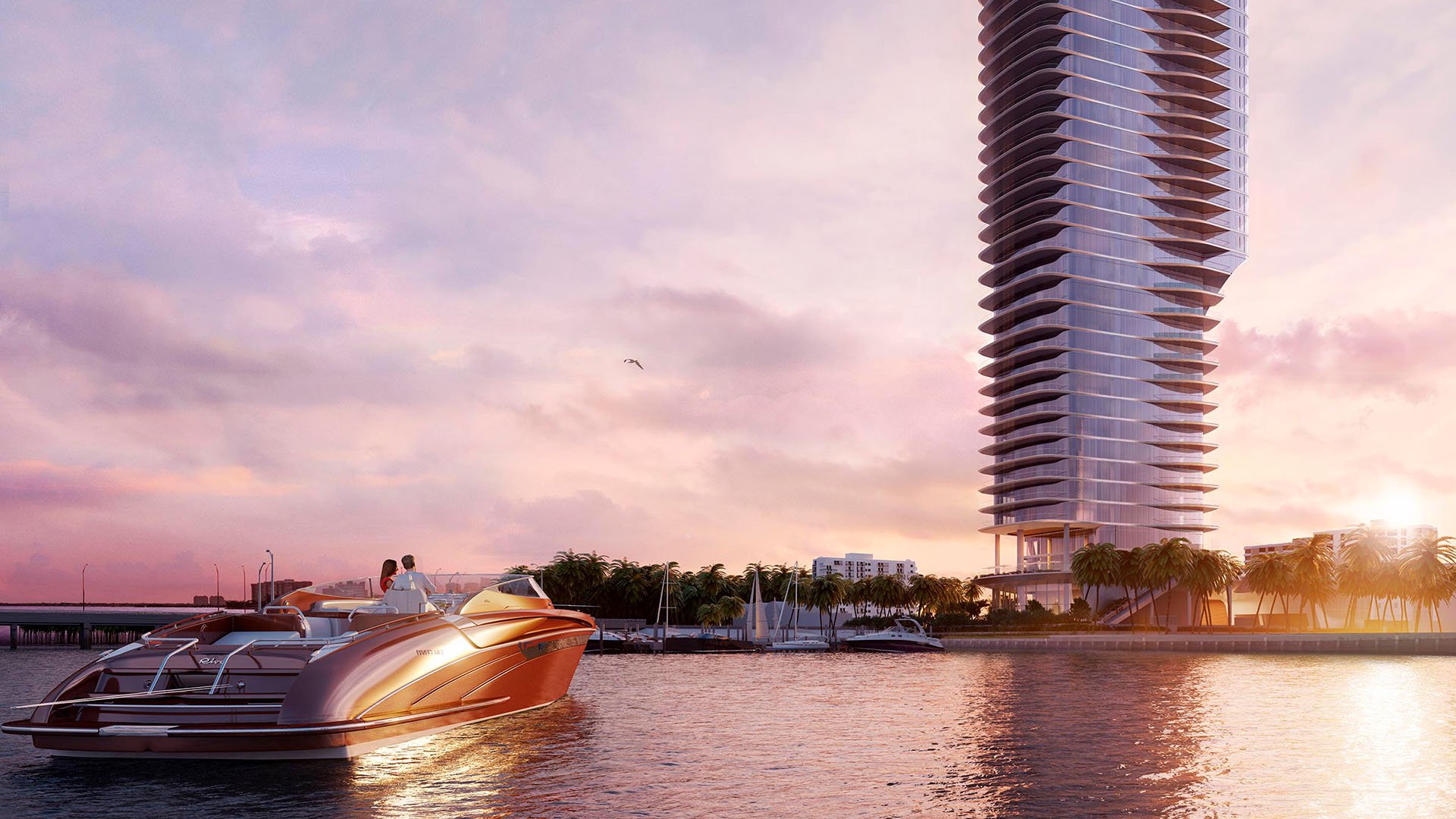
Una Residences Brickell should be evaluated as a bayfront Miami condominium, not as a residence on a narrow, protected Intracoastal-style corridor. That distinction matters because a buyer’s waterfront experience may be shaped by open-water views, wind, vessel movement and the way the selected residence relates to Biscayne Bay.
For buyers considering Brickell waterfront real estate, the better question is not whether boats pass somewhere nearby. The more useful question is how the specific line, elevation, terrace and orientation may affect comfort, sound, light, visible water movement and long-term ownership fit.
Protected canal-front settings and open-bay settings can feel very different. In a narrower waterway, wave behavior may feel more contained. In a bayfront setting, the surface of the water can appear more dynamic, especially when wind and marine activity align.
That does not make bayfront exposure negative. For many luxury buyers, visible movement on the bay is part of the appeal. The key is to understand whether the residence feels serene, animated or somewhere between the two during the conditions that matter most to the buyer.
Wake exposure at a bayfront condominium is usually not a single yes-or-no issue. Buyers should ask how passing vessels, wind-driven chop, tides and shoreline configuration may influence the owner experience from the selected residence.
Practical questions include: How does the chosen line face the bay? Are some terraces more open to wind than others? Do lower elevations feel more connected to shoreline movement? Do higher floors convert the same activity into a broader, quieter panorama? How does the residence feel at different times of day, especially when boating activity and wind conditions change?
Two residences in the same tower can experience the waterfront differently. A lower residence may feel closer to the movement of the shoreline and vessels. A higher residence may feel more panoramic and removed. A corner orientation may emphasize broad water views, while another exposure may feel more protected by angle or building geometry.
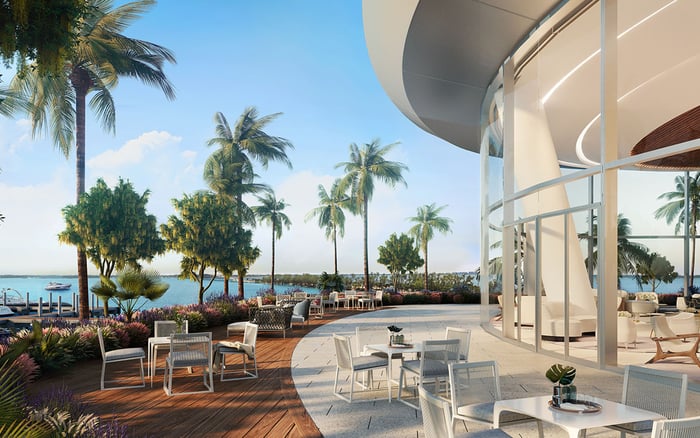
Terrace design is also central to the due diligence conversation. Buyers should consider whether the terrace is intended to feel like a calm outdoor room, a dramatic viewing platform or a more active waterfront perch. The right answer depends on personal preference, not a generic label.
In the South Florida luxury market, waterfront value is tied to both view quality and lived experience. Some buyers want the energy of Biscayne Bay, with boats, reflected light and changing surface texture. Others prioritize stillness, privacy and insulation from marine activity.
That is why wake exposure should be treated as a residence-specific question. A buyer should compare the selected line against personal expectations for sound, wind, view movement, terrace usability and the desired emotional tone of the home.
Is Una Residences Brickell on a narrow Intracoastal-style waterway? It should be evaluated as a bayfront Brickell property rather than a narrow protected-water setting.
Does bayfront exposure mean wake is irrelevant? No. Passing vessels can still contribute localized wake, while wind and open-water conditions can also shape the experience.
What should buyers focus on first? Buyers should begin with the specific residence line, elevation, terrace orientation and relationship to Biscayne Bay.
Are lower floors always more exposed? Not always, but lower elevations may feel more visually connected to shoreline activity and passing marine movement.
Can higher floors feel different? Yes. Higher residences may translate the same bay activity into a broader and often more panoramic view experience.
Why does terrace orientation matter? Terrace angle and exposure can influence perceived wind, sound, reflected light and the visibility of chop or wake.
Should buyers ask about shoreline design? Yes. Buyers should ask how the water edge is configured and how the building’s waterfront setting is intended to be experienced.
Is an active bay view a drawback? Not necessarily. Many buyers prize the animation of Biscayne Bay, while others prefer a calmer waterfront feel.
How should buyers compare Una with more sheltered buildings? They should compare not only views, but also wind, chop, vessel movement, acoustic character and terrace usability.
What is the best way to shortlist comparable options for touring? Start with location fit, delivery status, and daily lifestyle priorities, then compare stacks and elevations to validate views and privacy.
For a tailored shortlist and next-step guidance, connect with MILLION.
If branded residences are on your mind — as a home or as an allocation — we would be glad to share what we are seeing, privately.
Begin a quiet conversation