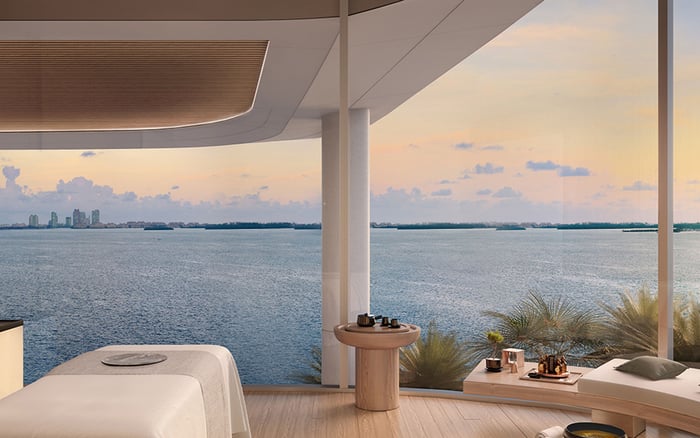
A buyer-focused analysis of Una Residences Brickell and The Well Coconut Grove through the practical lens of full-time ownership, including reserve planning, association insurance, flood coverage, deductibles, turnover records, and warranty diligence.

For a seasonal buyer, a luxury condominium may be evaluated through views, amenity programming, privacy, and the feeling of arrival. For a full-time owner, the lens is more exacting. The residence is not only a retreat; it is the operating platform for daily life. Budgets, reserve planning, insurance architecture, governing documents, and completion records therefore deserve the same attention as finishes and floor plans.
Una Residences Brickell and The Well Coconut Grove occupy distinct Miami settings. Brickell often appeals to buyers who want a more metropolitan waterfront rhythm, while Coconut Grove often speaks to buyers seeking a softer neighborhood environment. Yet the ownership questions are similar: what the association must maintain, how future costs are planned, what is insured by whom, and which documents support confidence after closing.
That discipline matters whether a buyer is comparing new-construction opportunities, recently delivered residences, or established resale inventory. A newer building may feel simpler because major systems are early in their life cycle, but that does not remove the need to examine the budget, reserve materials, insurance declarations, deductible obligations, turnover records, rules, and warranty documentation.
Reserve exposure is where architecture becomes a long-term financial obligation. A building’s exterior, structural systems, waterproofing, mechanical systems, elevators, amenities, and common areas all carry maintenance and replacement considerations over time. For a full-time owner, the question is not simply whether a monthly assessment feels acceptable. The sharper question is what that assessment is designed to fund.
Buyers should ask for the current budget, available reserve schedules, any engineering or reserve-related materials provided to owners, and meeting records that discuss major maintenance planning. Counsel or a qualified condominium reviewer can help interpret which materials are current, which are preliminary, and which obligations may still be evolving.
The practical goal is not to eliminate future costs. In a condominium, future costs are part of ownership. The goal is to understand whether future costs are visible, organized, and integrated into the association’s financial planning rather than hidden behind unusually lean monthly dues.
Association insurance and owner insurance are separate diligence categories. The association’s program typically relates to shared property and association-managed exposures, while an owner policy is intended to address the unit owner’s separate interests. The precise boundary depends on governing documents, policy terms, and applicable guidance from counsel and insurance advisors.
For Una Residences Brickell, The Well Coconut Grove, or any South Florida luxury condominium, buyers should review association insurance declarations, deductible provisions, exclusions, renewal timing, and any owner obligations described in the condominium documents. They should also compare those materials with quotes for owner-level coverage before assuming that the association policy resolves all personal exposure.
Deductibles deserve special attention because they can affect the way costs are allocated after a casualty event. A polished lobby and strong amenity program do not answer that question. The documents do.
Flood coverage should also be treated as its own topic. South Florida condominium buyers should not assume that every water-related exposure is addressed in the same policy or by the same party. The safer approach is to ask directly how flood coverage is structured, what the association maintains, what the owner may need separately, and how deductibles or gaps would be handled.
Completed-building certainty begins with the obvious items: delivery status, occupancy documentation where applicable, association operations, and the buyer’s ability to review the residence and common areas. But a more refined review goes further. Buyers should ask for the turnover package where available, current budgets, insurance declarations, reserve materials, governing documents, rules, pending assessment information, maintenance records, and warranty materials.
The reason is simple: a luxury condominium is both a physical asset and a legal operating structure. The stone, glass, wellness programming, and service environment may create the first impression, but the documents explain what the owner is joining. That includes the association’s financial responsibilities, the process for repairs, the treatment of common elements, and any procedures that shape daily life in the building.
Warranty diligence should also be handled carefully. Rather than relying on broad assumptions, buyers should ask which warranties are available, who holds them, what they cover, what deadlines apply, and what process must be followed if an issue arises. Legal counsel can confirm applicable rights and help separate marketing language from enforceable documentation.
The lifestyle choice may be personal, but the diligence standard should remain consistent. A Brickell buyer may prioritize access, skyline energy, waterfront perspective, and proximity to the financial district. A Coconut Grove buyer may prioritize neighborhood scale, greenery, privacy, and wellness-oriented design. Those preferences can guide the emotional decision.
The ownership review should be more unemotional. Full-time buyers are not only selecting a view or an amenity package. They are joining an association balance sheet, an insurance program, a maintenance plan, and a set of rules that will affect everyday living. That is why reserve exposure, insurance structure, flood planning, deductible allocation, turnover materials, and warranty review belong at the center of the conversation.
A careful buyer can organize the review into a simple sequence. First, confirm the building and residence documents that are available for review. Second, examine the current budget and any reserve-related materials with a qualified advisor. Third, review association insurance declarations and compare them with owner-level coverage needs. Fourth, ask direct questions about flood coverage, deductibles, and assessment exposure. Fifth, review turnover, warranty, and maintenance materials before treating a completed or nearly completed building as operationally certain.
This sequence does not replace professional advice. It helps make that advice more focused. The strongest luxury buyers in South Florida tend to combine lifestyle conviction with documentary discipline.
What should full-time buyers ask first about reserves? Ask for the current budget, reserve materials, and any available maintenance planning records, then review them with a qualified advisor.
Why do reserves matter in a newer luxury condominium? Newer buildings still have long-term maintenance obligations, so reserve planning helps buyers understand how future costs may be organized.
Does association insurance replace owner insurance? No. Buyers should review association insurance and owner-level coverage as separate layers with different purposes.
Why does the deductible structure matter? Deductibles can influence owner exposure after a casualty event, so the allocation method should be reviewed before closing.
How should buyers approach flood coverage? Buyers should ask how flood coverage is structured, what the association maintains, and what additional owner-level coverage may be appropriate.
What records help support completed-building certainty? Useful records may include budgets, insurance declarations, governing documents, turnover materials, maintenance records, rules, and warranty documents.
Why do turnover records matter? Turnover records help show how control and operational responsibility move from the development phase into association management.
How should warranties be reviewed? Buyers should confirm what warranties exist, what they cover, who administers them, and what deadlines or procedures apply.
Should Brickell and Coconut Grove buyers use different diligence standards? No. Lifestyle preferences may differ, but reserve, insurance, flood, deductible, turnover, and warranty diligence should remain consistent.
What is the best way to shortlist comparable options for touring? Start with location fit, delivery status, and daily lifestyle priorities, then compare stacks and elevations to validate views and privacy.
When you're ready to tour or underwrite the options, connect with MILLION.
If branded residences are on your mind — as a home or as an allocation — we would be glad to share what we are seeing, privately.
Begin a quiet conversation