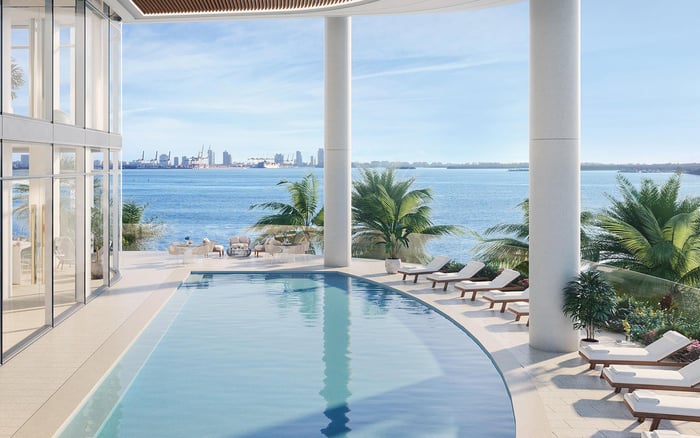
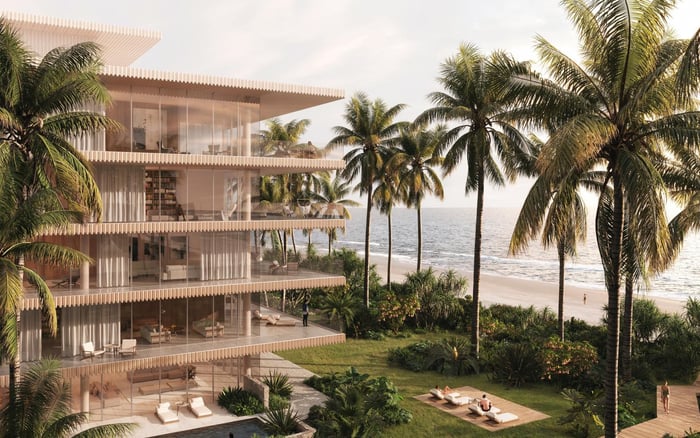
A practical livability guide for full-time buyers evaluating pool-equipment noise, amenity-deck proximity, balcony use, and acoustic comfort at Una Residences Brickell.
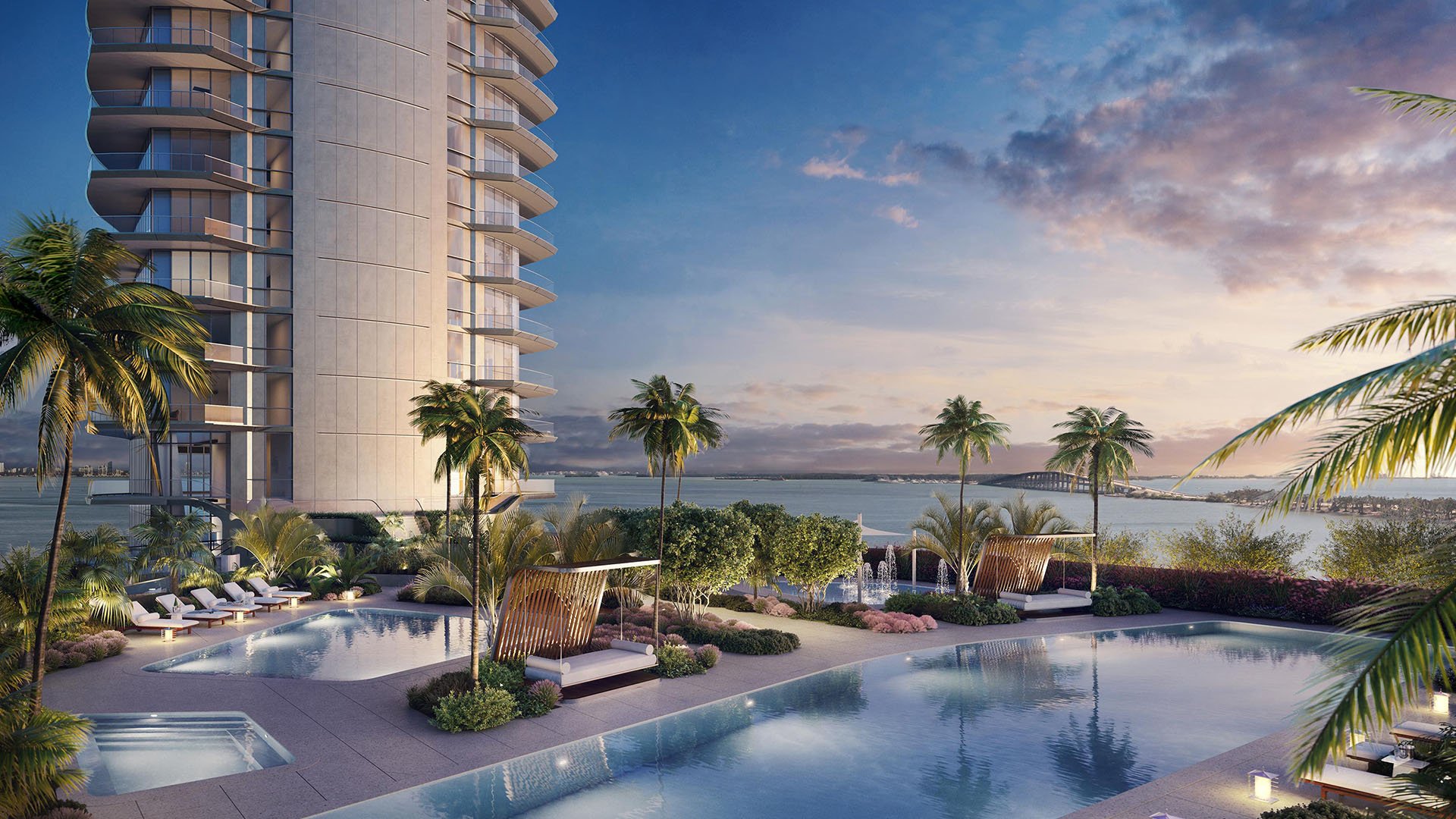
Una Residences Brickell is a South Florida condominium topic where full-time buyers may want to look beyond finishes, views, and building presentation. For owners who plan to live in a residence every day, livability is measured on ordinary mornings, quiet work-from-home afternoons, and late evenings on the balcony.
In that context, pool operations deserve practical attention. Pumps, filtration systems, circulation equipment, and related mechanical infrastructure can be essential to amenity areas, but they also raise a buyer question: how well are those systems separated from daily living space?
This is not a claim that Una Residences Brickell has a confirmed noise issue. It is a due-diligence framework for evaluating a specific residence before closing. In any high-end condominium setting, acoustic comfort can depend on location, isolation, line of sight, mechanical placement, and the way sound or vibration moves through the building.
Amenity-area sound often falls into two categories. The first is social noise: conversation, movement, guests, and activity around shared outdoor spaces. It is usually variable and may change by time of day, season, and occupancy.
Mechanical noise behaves differently. Pool systems may create a steady hum, cyclical vibration, fan-like sound, or low-frequency resonance. It can be less dramatic than a loud gathering, yet more persistent for an owner who is present every day.
The distinction matters. A buyer who is comfortable with a lively amenity environment may still want to understand whether a residence is exposed to mechanical hum. Conversely, a residence shielded from equipment zones may still experience occasional human activity from shared spaces.
Seasonal owners often experience a building in shorter intervals. Full-time residents encounter a tower differently because they are present during maintenance cycles, weekday afternoons, quiet nights, and early mornings. They may work from home, take calls on the terrace, or rely on the residence as a true retreat from Brickell’s urban pace.
That longer exposure makes mechanical-noise review more important. A sound that seems minor during a brief showing may feel different when heard every day. Buyers who expect to use outdoor areas frequently should study not only the view corridor but also the sound corridor.
This is especially relevant for buyers comparing newer luxury condominium options, where elevated expectations can sometimes create assumptions about comfort. A refined building presentation does not replace specific residence-level diligence.
Not every residence carries the same acoustic profile. The most sensitive locations are typically those closest to amenity decks, pool areas, mechanical rooms, or exposed equipment zones. Floor height matters, but it is not the only consideration.
Balcony orientation is another practical variable. A terrace facing an active amenity area may receive sound more directly than one oriented away from equipment. Corner layouts, setbacks, and tower geometry can also influence how sound reflects, rises, or dissipates.
For Una Residences Brickell, the practical buyer question is not simply whether the building fits the desired lifestyle. The sharper question is whether the specific home under consideration sits within a more exposed or more protected acoustic zone.
A careful buyer should ask direct, practical questions. Where are the pool pumps, filtration equipment, circulation systems, and related mechanical areas located in relation to the residence? Are major mechanical components enclosed, shielded, or isolated from occupied spaces? Is there equipment directly below, above, or adjacent to the unit stack?
Showings should be timed thoughtfully. A midday visit may reveal one acoustic condition, while early morning or evening may reveal another. If access is possible, buyers should stand on the balcony, close and open the doors, pause in bedrooms, and listen without conversation for several minutes.
Buyers should also consider personal use. A frequent traveler may tolerate some background sound that a full-time owner would not. A remote executive, a family with young children, or someone who treats the terrace as a daily outdoor room may place a higher value on acoustic stillness.
Brickell buyers often compare residences through architecture, amenities, services, layouts, and views. Those considerations remain important, but sophisticated purchasers also evaluate the less visible systems that shape daily life.
For full-time buyers, acoustic comfort is not a minor technical issue. It is part of the private luxury of living well. The right diligence helps ensure that the selected residence matches the owner’s rhythm, tolerance, and expectations.
Does Una Residences Brickell have a confirmed pool-equipment noise problem? No confirmed pool-equipment noise issue is established here. The point is practical due diligence for buyers evaluating full-time comfort.
Why does pool equipment matter in a luxury condominium? Pool-related systems can include pumps, filtration, circulation, and related mechanical components. Their placement and isolation can influence the surrounding sound environment.
Is social amenity noise the same as mechanical noise? No. Social noise is usually intermittent, while mechanical sound may be steadier, more repetitive, or vibration-related.
Which residences may need closer acoustic review? Residences near amenity decks, pool areas, mechanical rooms, or exposed equipment zones may warrant added attention before closing.
Does being on a higher floor always reduce pool-equipment sound? Not always. Floor height can matter, but line of sight, orientation, and structural sound paths may also affect what is heard.
Should balcony use be part of the evaluation? Yes. Buyers who plan to use the balcony daily should listen from that space with doors both open and closed.
What should remote workers consider? Remote workers should evaluate quiet periods, call privacy, and whether any repetitive mechanical hum is noticeable from work areas.
Can luxury design eliminate the need for acoustic diligence? No. A refined building standard raises expectations, but buyers should still assess the specific residence and its relationship to building systems.
When is the best time to evaluate sound? Multiple visits at different times of day can provide a more complete impression than a single showing.
What is the best way to shortlist comparable options for touring? Start with location fit, delivery status, and daily lifestyle priorities, then compare stacks and elevations to validate views and privacy.
For a confidential assessment and a building-by-building shortlist, connect with MILLION.
If branded residences are on your mind — as a home or as an allocation — we would be glad to share what we are seeing, privately.
Begin a quiet conversation