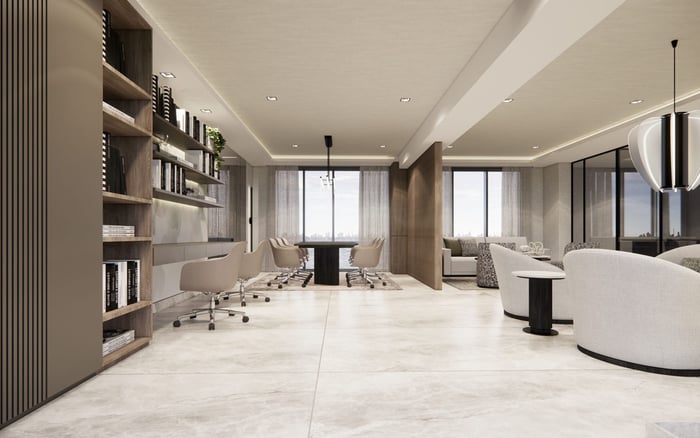
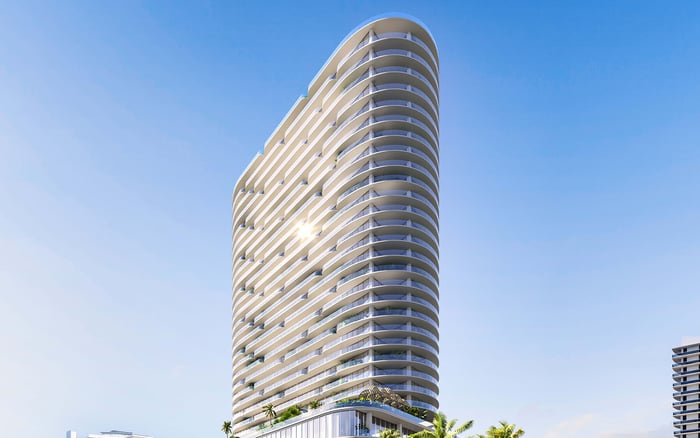
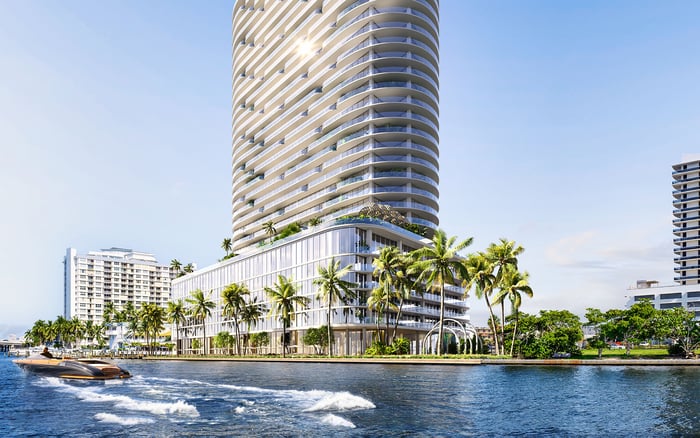
For art collectors considering Tula Residences, the critical due-diligence issues are the complete delivery route, structural approval for heavy works, and the building rules governing installation.
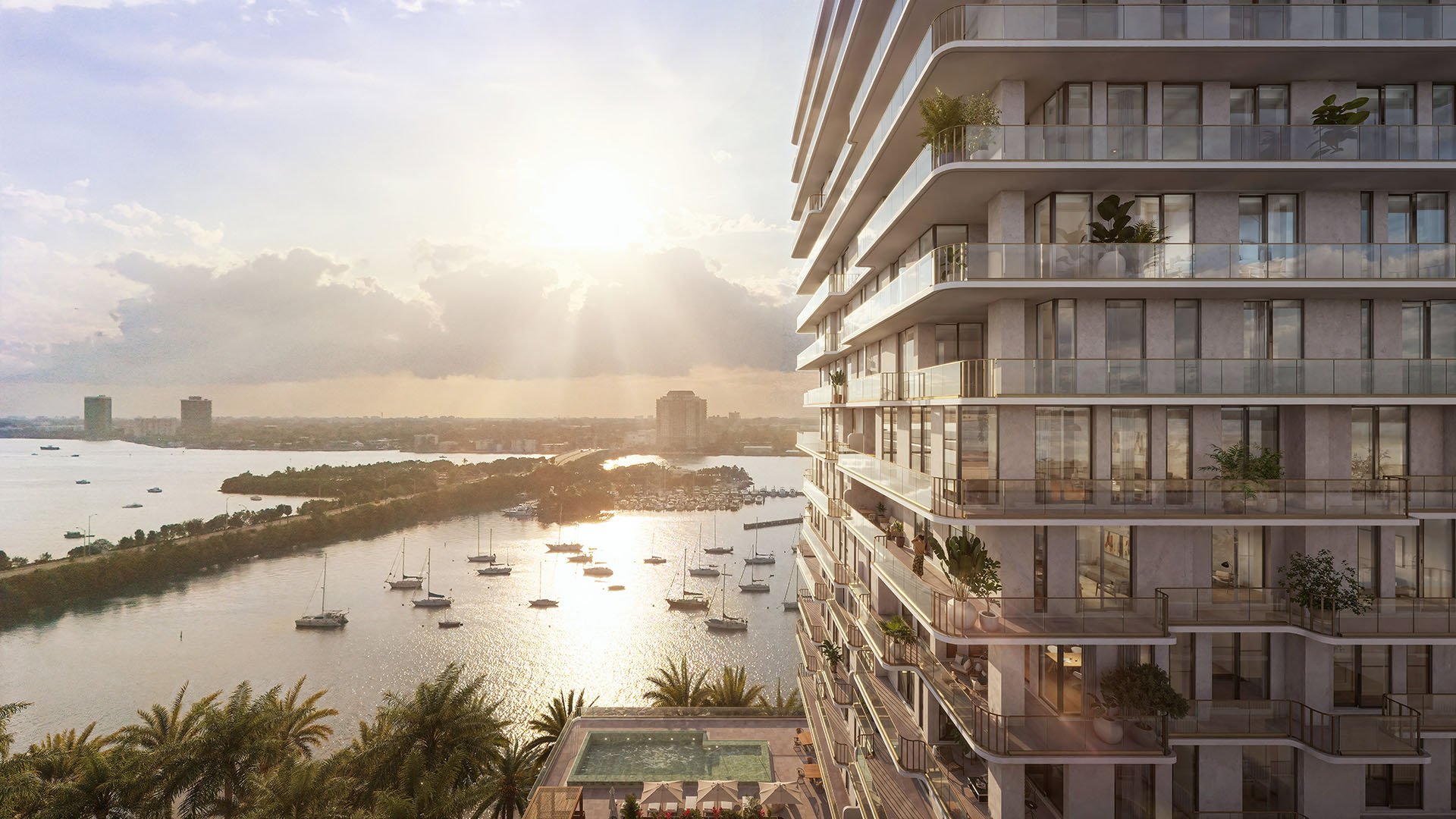
For an art collector, suitability depends on more than room dimensions. A large canvas, sculpture, stone base, or storage system must move from the delivery vehicle to its intended position without exceeding access, elevator, structural, or management limits.
Buyers considering Tula Residences North Bay Village should make those requirements part of pre-closing due diligence. Written documentation is more reliable than assumptions based on floor plans, renderings, or general descriptions.
A useful service-route review begins at the vehicle arrival point and ends at the installation location. It should record unloading conditions, overhead restrictions, ramps, thresholds, turns, door openings, elevator access, corridor widths, and clearances inside the residence.
Collectors should compare every measurement with the largest anticipated crate rather than the uncrated artwork. The review should also account for dollies, lifting equipment, protective materials, and the space installers need to maneuver safely.
Elevator documentation should identify the usable cab dimensions, clear door opening, rated capacity, reservation procedure, and any restrictions on contractor use. If no conventional route can accommodate a work, the buyer should not assume that an alternative installation method will be permitted.
A work may fit visually while creating a concentrated load that requires professional review. The relevant calculation includes the artwork, base, mount, case, storage rack, and installation equipment-not only the object itself.
A qualified structural engineer should assess the proposed assembly, footprint, and exact placement against the applicable structural documents. Collectors should obtain written approval before committing to fabrication, shipping, or installation.
Greater room area does not by itself establish greater capacity at a particular point. Each proposed location should be evaluated on its own merits, especially when a base concentrates weight over a limited footprint.
Building procedures can affect whether an installation is practical. Buyers should request the applicable rules for elevator reservations, contractor access, insurance, working hours, protective coverings, equipment, supervision, deposits, crate staging, and responsibility for damage.
The installation team should review those requirements before the work arrives. A preliminary method statement can identify conflicts involving access, floor protection, temporary storage, noise, vibration, or the sequence of assembly.
Storage should also be evaluated separately. A space suitable for empty packing materials is not automatically appropriate for artwork; dimensions, access, environmental conditions, security, and permitted use all require confirmation.
Collectors should assess daylight and glazing conditions before assigning sensitive photographs, textiles, works on paper, or other light-responsive pieces to a wall. A conservation professional can help evaluate placement and mitigation strategies for the specific work.
Outdoor installations require a separate technical review. Loading, anchoring, wind, salt exposure, drainage, waterproofing, and maintenance should be coordinated with the appropriate professionals and building representatives before any location is approved.
Collectors evaluating North Bay Village and nearby island communities may also review Continuum Club & Residences North Bay Village, Shoma Bay North Bay Village, and Bay Harbor Towers.
The useful comparison is not a simple amenity count. It is whether each residence and building can support a documented chain of custody from arrival through final placement, with measurable clearances, appropriate capacity, and written authorization.
The collector’s adviser can assemble a concise schedule listing crate dimensions, total weights, base footprints, intended locations, handling equipment, environmental sensitivities, and installer requirements. That schedule can then be checked against building documents and professional reviews.
This approach separates works that can follow the standard route from those that may require a revised base, on-site assembly, a different location, or another handling strategy. For Tula buyers, resolving those questions before closing can reduce uncertainty and help align the residence with the collection.
Does a residential elevator automatically accommodate large art crates? No. The usable cab size, clear opening, turning space, and rated capacity must all be checked against the packed work.
What elevator information should a collector request? Request written cab dimensions, door clearances, capacity limits, permitted use, and reservation procedures.
Why should the crate be measured instead of only the artwork? Packing increases the overall dimensions, and installers also need room for handling equipment and safe maneuvering.
Does a large room prove that a heavy sculpture can be installed there? No. A qualified engineer should review the complete assembly, its footprint, and its exact proposed location.
What weight should be included in a structural review? Include the artwork, base, mount, case, storage system, and any other component contributing to the installed load.
Which installation rules should be confirmed in advance? Confirm access hours, insurance, elevator reservations, protective coverings, approved equipment, supervision, deposits, and staging restrictions.
Can a collector assume that storage space is suitable for art? No. Access, dimensions, environmental conditions, security, and permitted use should be verified first.
What should be reviewed for light-sensitive works? Assess daylight, glazing, wall placement, and any conservation measures appropriate to the individual work.
What additional issues apply to outdoor sculpture? Review loading, anchoring, wind, salt exposure, drainage, waterproofing, and maintenance with the relevant professionals.
When should art logistics be addressed in the purchase process? Collectors should begin before closing so access, engineering, management approvals, and installation planning can be coordinated.
If you'd like a private walkthrough and a curated shortlist, connect with MILLION.
If branded residences are on your mind — as a home or as an allocation — we would be glad to share what we are seeing, privately.
Begin a quiet conversation