A focused due-diligence guide for evaluating post-storm re-entry, generator coverage, emergency staffing, shared systems, and written operating obligations before purchasing at Continuum Club & Residences North Bay Village.
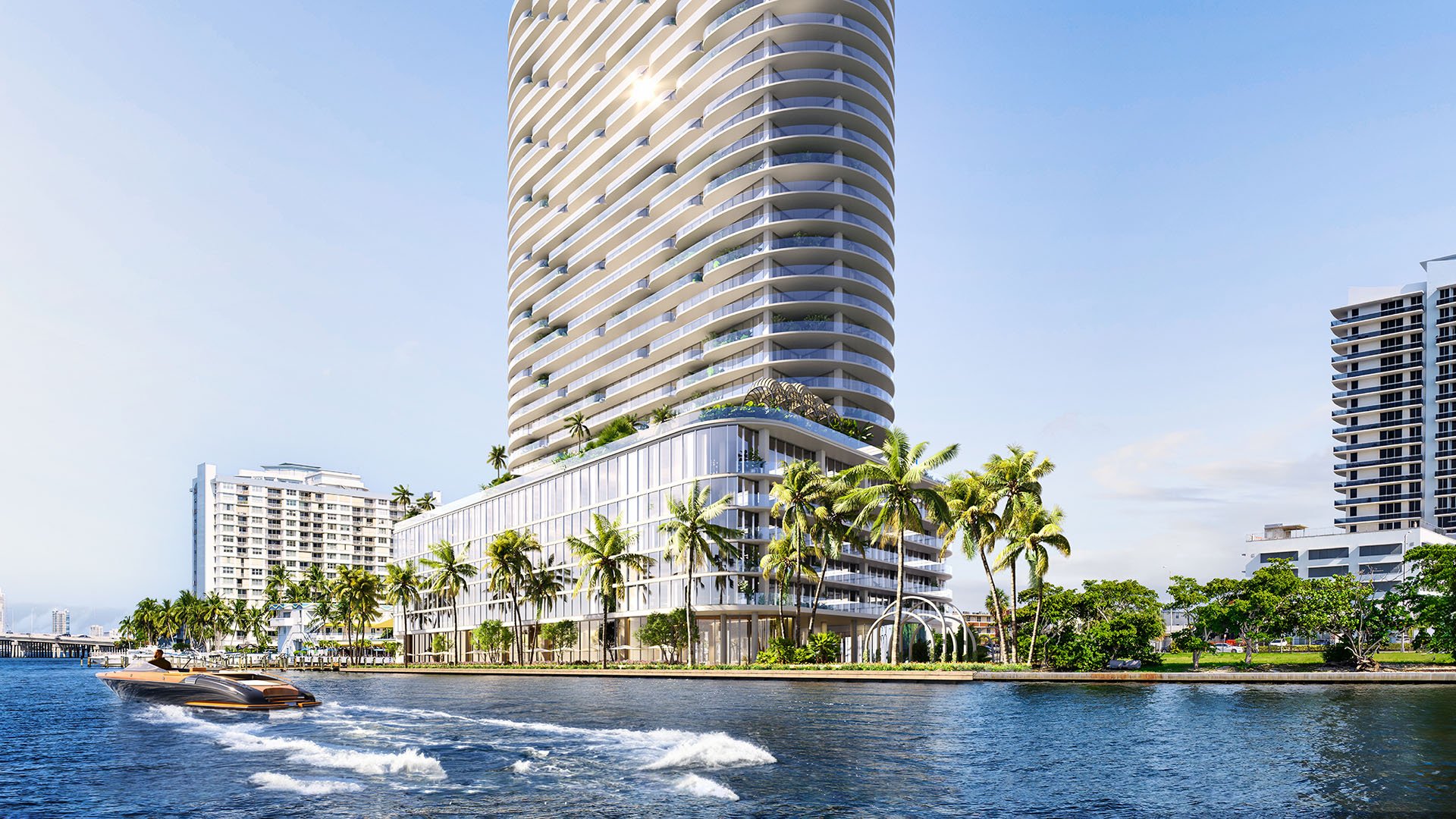
A purchase at Continuum Club & Residences North Bay Village calls for more than a review of residence design and amenities. Buyers should also examine how the property is intended to operate after a major storm, when access, power, staffing, communications, and building systems may all be constrained.
For a buyer considering a South Florida residence before completion, the central task is to distinguish a planned operating concept from a binding obligation. Re-entry procedures, generator loads, and emergency staffing should be addressed through project-specific documents rather than assumptions based on ordinary service levels.
After a storm, access depends on a coordinated operating plan, not a key alone.
A useful re-entry protocol should identify who decides when the property may reopen and how that decision will be communicated. It should also explain whether owners, residents, guests, household employees, property managers, vendors, and restoration contractors will follow different access procedures.
Buyers can ask what credentials will be accepted, whether identification must match a resident roster, and whether physical credentials will remain available if digital systems are offline. The protocol should address entry points, parking access, elevator availability, guest authorization, and any staged return process.
Offline contingencies deserve particular attention. A plan that depends entirely on a mobile application, internet connection, or cellular service may need an alternative method. Buyers who rely on caregivers, household teams, or property representatives should determine how those individuals can be authorized when the owner is away.
The same framework can help when comparing nearby residential projects such as Shoma Bay North Bay Village and Tula Residences North Bay Village. The relevant comparison is not whether projects use identical procedures, but whether each procedure is clear, practical, and reflected in controlling documents.
Generator discussions should begin with a supported-load schedule. A headline description of backup power does not, by itself, answer whether elevators, domestic water pumps, access controls, communications equipment, parking systems, common-area cooling, or power within residences will operate.
Buyers should request the project-specific generator specifications and ask how the system is intended to perform during an extended outage. Relevant questions include which loads can run at the same time, how supported systems are sequenced, what testing is contemplated, how fuel is managed, and what assumptions govern operation and refueling.
Elevator service requires a precise answer. Ask whether any elevator is intended to operate on emergency power, whether service would be continuous or managed, and how access would work for residents on upper levels. Water pressure is similarly important because pump coverage may affect whether plumbing service can function throughout a tower.
Cooling should be addressed without ambiguity. Backup power for life-safety equipment or selected common spaces does not necessarily establish cooling within private residences. Access controls and communications also merit separate confirmation, including whether they have dedicated backup arrangements.
A technical professional can help interpret equipment schedules, electrical drawings, testing provisions, and supported-load information. The goal is to connect every meaningful operating expectation to a project-specific document.
Concierge, valet, security, engineering, and management functions can operate differently during an evacuation, outage, inspection period, or staged reopening. Buyers should not assume that an everyday service description defines the staffing available immediately after a storm.
A written emergency plan should identify essential roles, decision authority, communication responsibilities, and the conditions that must be satisfied before residents return. It should also clarify who is expected to inspect systems, control access, coordinate vendors, communicate with residents, and manage any restricted elevator or parking operations.
Staff availability may be affected by evacuation orders, transportation conditions, personal safety, and communications interruptions. A practical plan should therefore address role coverage and succession rather than relying on a single person or title. Identifying a management company is not a substitute for defining emergency responsibilities.
This distinction is also useful when reviewing service-oriented options such as La Maré Bay Harbor Islands. Buyers should compare the documented minimum operating team for an emergency, not merely the hospitality experience described for normal conditions.
If any access routes, generators, fuel systems, security functions, loading areas, communications equipment, or management services are intended to be shared, buyers should understand who controls them. Shared infrastructure can raise questions about cost allocation, maintenance, operating priority, and responsibility during recovery.
Request a clear explanation of which systems serve the residential building exclusively and which may support other property components. If temporary arrangements are contemplated during construction or phased delivery, the documents should distinguish those arrangements from the permanent operating plan.
Control matters as much as physical capacity. Buyers should identify who can direct shared resources, authorize repairs, approve emergency vendors, and change operating procedures. They should also ask how disputes, delays, or competing priorities would be managed.
Before a purchase becomes non-cancelable, request the available hurricane and outage plan, re-entry protocol, generator specifications, supported-load schedule, inspection process, communications plan, and emergency staffing provisions. Questions about elevators, water pumping, cooling, access controls, telecommunications, parking, and power within residences should receive direct written answers.
Those answers should then be reconciled across the purchase agreement, condominium documents, management arrangements, written disclosures, plans, and technical schedules. If a representation materially affects the purchase decision, buyers should ask where its scope and limitations appear in the controlling documents.
It is also important to understand amendment rights. Determine who may revise emergency procedures, change service levels, alter shared-system arrangements, or approve future operating policies. A procedure may be detailed yet remain subject to change, so the authority behind it deserves careful review.
Legal counsel can assess contractual language, while a qualified building professional can evaluate technical documents and operating assumptions. Together, those reviews can help a buyer decide whether the planned response aligns with the needs of the residence, household, and ownership structure.
For discreet guidance on evaluating Continuum and other South Florida residences, connect with MILLION.
If branded residences are on your mind — as a home or as an allocation — we would be glad to share what we are seeing, privately.
Begin a quiet conversationRe-entry, backup power, and staffing can affect whether a residence is usable after a storm. Written documents help distinguish planned procedures from assumptions.
It should identify the reopening authority, accepted credentials, communication methods, entry procedures, and rules for residents, guests, staff, and contractors.
Yes. Buyers should ask how access will work if mobile applications, internet service, or cellular communications are unavailable.
A supported-load schedule helps show which systems are intended to receive backup power. It should be reviewed with the project-specific generator specifications.
No. Buyers should obtain written clarification about whether any elevators are supported and how emergency service would operate.
No. Buyers should verify residential cooling separately from life-safety equipment and common-area systems.
Not necessarily. Emergency roles, minimum coverage, and reopening responsibilities should be confirmed in writing.
Shared systems can raise questions about control, cost allocation, maintenance, and operating priority. Buyers should identify which systems are exclusive and which are shared.
Request available re-entry, outage, generator, inspection, communications, and emergency staffing documents. Material answers should be reconciled with the governing and purchase documents.
Legal counsel can review contractual obligations, while a qualified building professional can assess technical schedules and operating assumptions.