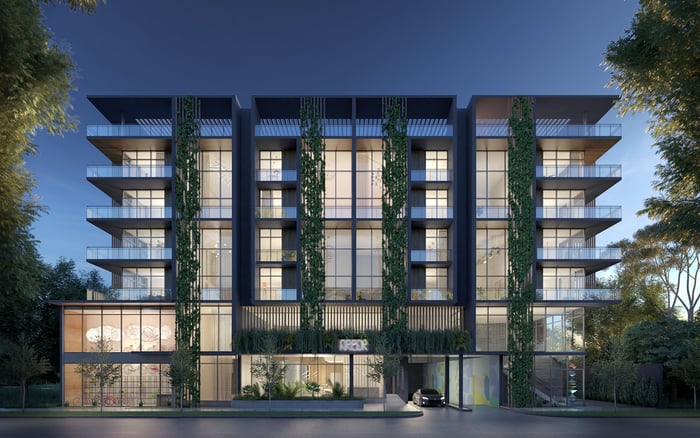
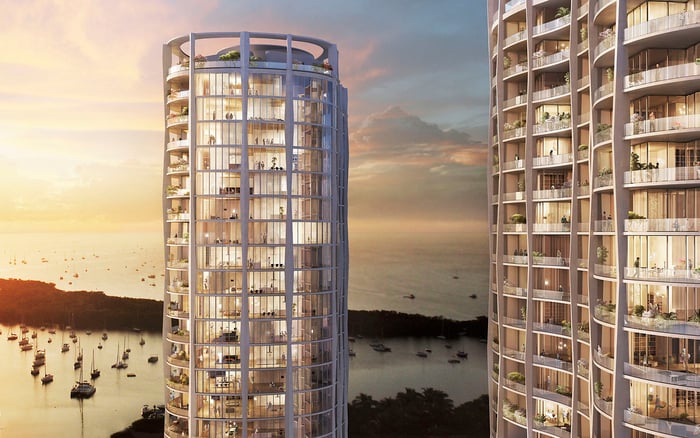
A family-focused look at Ponce Park Coral Gables, from walkability and urban convenience to condo due diligence, traffic exposure, ownership costs, and lifestyle tradeoffs.

For many families, choosing Coral Gables is not simply a real estate decision. It is a decision about rhythm, privacy, design, school-day logistics, weekend rituals, and the civic environment children absorb by proximity. Ponce Park Coral Gables sits squarely within that conversation: an address defined by lifestyle and location as much as by the residence itself.
The essential distinction is clear. Ponce Park is best understood as a walkable, urban Coral Gables setting, not a conventional suburban single-family enclave. That can be highly appealing for families who want restaurants, retail, services, offices, and cultural texture close at hand. It can also demand more exacting due diligence than a quiet cul-de-sac purchase, especially for parents weighing outdoor space, building rules, sound exposure, daily traffic, and long-term ownership costs.
A residence such as Ponce Park Coral Gables belongs in a buyer’s evaluation not only as a property, but as a daily operating system. The question is not whether the address is polished. The question is whether its particular version of Coral Gables living fits the family that will inhabit it.
Walkability is often treated as luxury shorthand, yet for families it is more practical than romantic. Can a parent manage errands without turning every small need into a drive? Can older children navigate familiar routes with confidence? Are nearby retail and dining options genuinely useful during the week, or mainly attractive on paper?
In Ponce Park, the appeal lies in proximity to the active, urban fabric of Coral Gables. Convenience can become part of family life: a quick coffee, a short walk to a service appointment, a nearby dinner, or a more fluid commute to professional obligations. The planned-city character of Coral Gables, with its controlled design language and cohesive streetscape, gives that urbanity a more composed feeling than many generic commercial corridors.
Still, families should test the address at different times. A weekday morning, school pickup hour, early evening, and Saturday afternoon can reveal very different patterns. Noise, turning movements, pedestrian activity, delivery vehicles, and corridor energy may all shift throughout the day. Ponce de Leon Boulevard access can be an asset, but it can also bring activity that not every household will experience the same way.
The classic South Florida family fantasy often includes a private yard, a driveway, and a clear separation between home life and the street. Ponce Park asks a different question: can a well-located condominium or multifamily address deliver a better total lifestyle than a larger detached home farther from the action?
For some families, the answer may be yes. A lock-and-leave residence can reduce maintenance responsibilities, support busy travel schedules, and create a more managed environment. Amenities and building services can substitute for some private-house conveniences, provided they genuinely align with the household’s habits.
For others, the constraints matter. Elevator routines, pet rules, guest access, package policies, parking logistics, renovation limitations, and amenity etiquette can shape daily life. Families with young children should think carefully about stroller movement, storage, play space, acoustics, and the ability to host relatives or caregivers comfortably.
This is where comparing nearby Coral Gables options becomes useful. Cora Merrick Park may enter the conversation for buyers prioritizing another Gables context, while The Village at Coral Gables can appeal to those drawn to architectural character and a more village-like residential sensibility. The point is not to declare one format superior. It is to identify which format will still feel gracious after the novelty fades.
Families often evaluate schools first, then housing, then commute, then lifestyle. In practice, those categories are inseparable. A strong address decision should include a sober review of nearby schools, parks, retail, and employment access, with each element measured against the family’s actual routine.
The key is to avoid abstract enthusiasm. A park that is close but awkward to reach may matter less than a slightly farther destination with a safer-feeling route. Retail that looks elegant may not solve weekday needs if it does not match the household’s habits. A work commute that seems manageable in theory should be tested during real travel windows.
Coral Gables adds another dimension: identity. The city’s architectural character, design controls, and “City Beautiful” presence create an environment many families find reassuring and visually coherent. For parents who care about streetscape, civic order, and a culturally rich setting, this coherence can become part of the address value.
Yet coherence does not eliminate homework. Families should still confirm school assignments, admission requirements, transportation plans, and after-school logistics directly before making a commitment. Even the most elegant address can become frustrating if the weekday choreography does not work.
Luxury buildings in Coral Gables can carry elevated expectations around service, amenities, privacy, and upkeep. Families should look beyond brochure language and ask how each amenity will function in daily life. Is the fitness offering meaningful for parents with limited time? Does the pool environment suit children? Are common areas calm, formal, social, or family-friendly?
Staffing and service style also matter. A highly serviced building can feel effortless for one family and overly structured for another. Rules around guests, vendors, deliveries, pets, and common-area use should be reviewed before contract, not discovered after move-in.
Buyers comparing Ponce Park with other urban South Florida addresses may also look toward 2200 Brickell for a different version of connected city living, or The Well Coconut Grove for a wellness-oriented neighborhood lens in Coconut Grove. Those comparisons can clarify what families truly value: proximity, calm, service, green space, brand positioning, or architectural atmosphere.
The visible parts of a residence are only one layer of ownership. In South Florida, families should factor climate exposure, insurance, maintenance obligations, and long-term carrying costs into any purchase decision. This is especially important for condominium and multifamily buyers, where monthly costs and future assessments can materially affect the ownership experience.
Before choosing Ponce Park Coral Gables, buyers should review association rules, financial reserves, assessment history, regulatory obligations, insurance structure, and building maintenance plans. These are not merely administrative details. They influence predictability, resale confidence, and the family’s ability to enjoy the home without surprise friction.
Parents should also consider how life might evolve. A residence that works for one child in preschool may feel different with teenagers, visiting grandparents, tutors, sports equipment, pets, and multiple cars. The best purchase is not only beautiful on closing day. It remains workable as the family’s needs become more layered.
Ponce Park’s appeal is not that it replicates the suburban family template. Its appeal is that it offers a more urban Coral Gables proposition, with architectural identity, walkable convenience, and proximity to the city’s refined daily life. For internationally minded buyers, relocating families, downsizers with children still at home, or professionals who prize efficiency, that proposition can be powerful.
The address rewards intentional buyers. Visit repeatedly. Walk the surrounding blocks. Listen from inside the residence if possible. Observe traffic. Time the routes to schools, parks, offices, and regular errands. Read the association documents. Ask how the building handles service, children, pets, deliveries, parking, and future maintenance.
Families do not need a perfect address. They need a clear match. In Ponce Park, the match is strongest for households that value Coral Gables’ planned beauty and cultural character while accepting the tradeoffs of a more active, multifamily environment. For the right buyer, those tradeoffs are not compromises. They are the structure of a more elegant daily life.
Is Ponce Park Coral Gables better for families who want walkability? It can be a strong fit for families prioritizing walkable convenience within Coral Gables. Buyers should still test daily routes, timing, and pedestrian patterns before committing.
Is Ponce Park Coral Gables a typical suburban family neighborhood? No. It is better understood as a walkable, urban Coral Gables setting rather than a conventional single-family suburban enclave.
What should parents evaluate first? Parents should review school logistics, park access, retail usefulness, employment access, traffic patterns, and building rules together. The best decision comes from the full daily routine.
Should families be concerned about Ponce de Leon Boulevard activity? Families should account for possible traffic, noise, and pedestrian activity tied to the corridor. Visiting at different times of day is a practical step.
Does Coral Gables’ design identity matter for family buyers? Yes, for many buyers. The planned-city character, architectural controls, and cohesive streetscape can contribute meaningfully to quality of life.
Are amenities enough to replace private-house conveniences? Sometimes, but not automatically. Families should compare amenities, service style, storage, parking, guest access, and rules against their actual needs.
What condo documents should buyers review? Buyers should review association rules, reserves, assessments, insurance structure, maintenance obligations, and regulatory requirements. Professional guidance is recommended.
Is Ponce Park Coral Gables mainly about lifestyle or investment? It is framed as both a lifestyle and real estate decision. Families should avoid separating emotional fit from ownership costs and long-term practicality.
How should families compare Ponce Park with other Coral Gables options? Compare the setting, building format, service expectations, outdoor access, traffic exposure, and daily convenience. The right choice depends on household rhythm.
What is the simplest way to decide if the address fits? Spend time there during real family hours, then review the legal and financial details carefully. The address should feel workable, not just impressive.
When you're ready to tour or underwrite the options, connect with MILLION.
If branded residences are on your mind — as a home or as an allocation — we would be glad to share what we are seeing, privately.
Begin a quiet conversation