A return-to-office policy can redraw a luxury home search, shifting attention toward the actual office address, dependable travel, hybrid functionality and the economics of maintaining two residences.

A return-to-office policy can change what luxury means in a South Florida residence. A larger terrace, a separate guest suite or a coastal setting may remain essential, but their value warrants a fresh look when office attendance becomes a recurring commitment. The question is not simply whether to move closer. It is which address best supports the week you will actually live.
The five priorities below are an editorial ranking of potential decisions, not a measure of buyer relocation behavior. They begin with location and end with ownership structure, because an office policy can affect both.
1. Move closer to the actual office hub: precision before proximity
Start with the employer's building, whether in Brickell, Downtown Miami, Coral Gables or Wynwood. A home search should follow the destination, not the district's reputation.
Confirm required attendance days, arrival expectations and whether the employer anticipates a change of office location. Build the residential shortlist around those details. Proximity matters more when it serves a recurring schedule rather than an occasional meeting.
2. Prioritize commute reliability: judge the entire journey
The most compelling residence may not be the one with the most interior space. When comparing Brickell or Downtown Miami with Miami Beach or suburban alternatives, examine the journey from the residence door to the office desk. Building access, parking arrangements and the final approach deserve as much attention as the route itself.
Test candidate journeys during the hours you expect to travel, ideally on more than one relevant weekday. No single commute estimate can settle these comparisons. The useful question is whether the journey leaves enough margin for the household's actual commitments, including school schedules, appointments and evening plans.
3. Reassess the coastal or suburban premium: space must earn its place
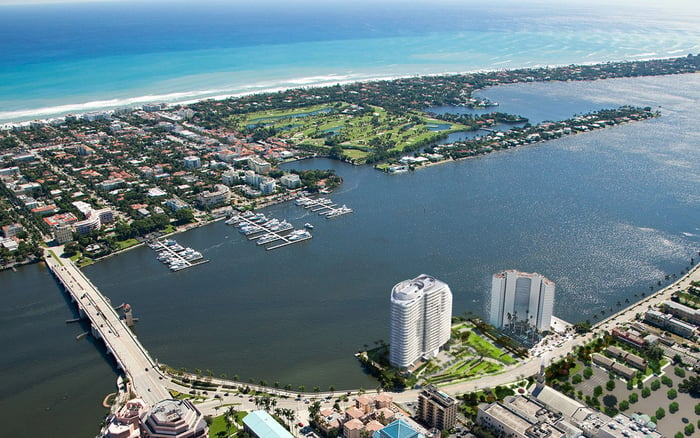
Palm Beach, Fort Lauderdale, Aventura, Weston and western suburbs within Miami-Dade, Broward and Palm Beach counties warrant a fresh evaluation when attendance requirements increase. The privacy, outdoor space or coastal setting a buyer seeks may still justify the journey. What changes is how often that trade-off must work. Compare the space you regularly use with the travel obligation you will repeatedly accept.
4. Give hybrid functionality more weight: inspect the working home
More office attendance does not necessarily eliminate work at home. For buyers considering Brickell, Downtown Miami, Coconut Grove or Coral Gables, a private work area, suitable connectivity and convenient daily routines belong on the checklist. Treat these as practical requirements to investigate, not amenities that every luxury condominium necessarily provides.
Read the floor plan with a working day in mind. Can a call take place behind a closed door? Can two household members work without competing for the same room? Verify any shared workspace, access rules and connectivity arrangements directly. A visually impressive amenity floor is no substitute for confirming how the residence will function.
5. Evaluate a weekday-and-weekend strategy: price the full arrangement
An office-adjacent Brickell or Downtown residence paired with a coastal or northern South Florida home is a possible response, not an established buyer trend. It may merit consideration when the household wants to retain its preferred leisure setting without making every office day a long-distance decision.
The arrangement requires a full comparison of costs: acquisition expenses, financing if applicable, taxes, insurance, association charges, maintenance and household support. Weigh those obligations against the simpler alternative of one primary residence. Ask, too, how often each home would genuinely be used. Two addresses should solve a scheduling problem, not create a second set of obligations without sufficient benefit.
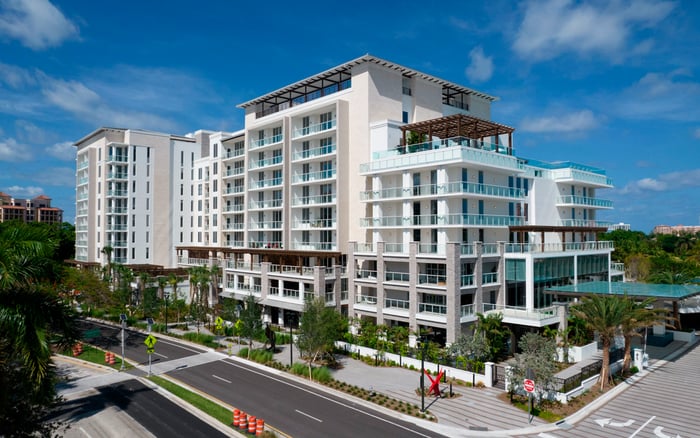
Once the working schedule is clear, compare properties within a defined search area. A Brickell search might include The Residences at 1428 Brickell, with the buyer independently testing the route to the employer's specific entrance. The neighborhood name alone should never substitute for that exercise.
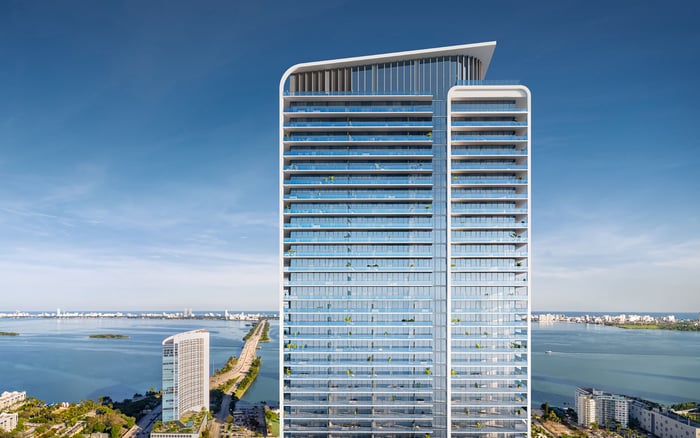
For a Downtown Miami comparison, Aston Martin Residences Downtown Miami offers another property to evaluate against the same criteria. Keep the comparison consistent: usable layout, verified building arrangements, ownership costs and the complete office journey. No project should receive an assumed commute advantage without testing it.
A Coral Gables shortlist could include Ponce Park Coral Gables. Here, too, the decision should follow the household's destination and schedule, not an assumption that every central address is equally convenient. Confirm availability and suitability before treating any property as a solution.
A more frequent office schedule does not automatically make Miami Beach the wrong choice. A buyer considering The Perigon Miami Beach should weigh the coastal setting against a tested working-week journey, without assuming either must prevail. The same discipline applies to retaining a northern South Florida residence or choosing more space farther from the office.
Separate nonnegotiable requirements from preferences. If privacy is essential, a smaller urban residence may not meet the household's priorities. If dependable access to the office is essential, additional square footage may not compensate for an unsuitable journey. The strongest decision makes that hierarchy explicit before purchase negotiations begin.
Before committing, assess the proposed residence under both the current attendance policy and a more demanding schedule. Then consider the opposite possibility: would the home still suit the household if office requirements eased? A residence should have a convincing purpose beyond responding to one employer announcement.
Finally, distinguish a lifestyle decision from an investment claim. A return-to-office policy alone does not establish a residential price outcome. Choose the address that meets documented needs, verify the property's details and costs, and preserve flexibility where possible.
Explore residences aligned with your working week and long-term priorities at MILLION.
If branded residences are on your mind — as a home or as an allocation — we would be glad to share what we are seeing, privately.
Begin a quiet conversationNo. First compare required attendance, the actual office journey and the benefits of your existing residence.
Use the employer's specific building rather than a broad district label. Brickell, Downtown Miami, Coral Gables and Wynwood can present different household decisions.
Confirm required attendance days, arrival expectations and any anticipated office relocation before building a residential shortlist.
Test the complete door-to-door journey during expected travel hours on relevant weekdays. Include building access, parking arrangements and the final approach to the office.
No. Buyers should weigh the coastal setting against their tested journey and required attendance schedule.
Consider a private work area, suitable connectivity and a layout that accommodates simultaneous calls. Verify shared workspaces and their access rules rather than assuming availability.
Weigh the space the household regularly uses against the travel obligation it would repeatedly accept. Identify nonnegotiable needs before comparing properties.
This article presents it as a potential lifestyle response, not a measured buyer trend. It requires a full cost and usage comparison.
Include acquisition expenses, financing if applicable, taxes, insurance, association charges, maintenance and household support. Compare the total with maintaining one primary residence.
Evaluate the residence under both a more demanding attendance schedule and a less demanding one. The home should serve the household beyond the current policy.