A disciplined shortlist of five South Florida condominiums where relative building age may support a more favorable reserve-planning profile, subject to close review of association financial, engineering, insurance, and inspection records.
A cash closing may simplify execution, but it does not insulate an owner from condominium special assessments. Those obligations attach to unit ownership, not mortgage financing. For a South Florida buyer, the more relevant question is whether the association has matched the building’s condition with a credible, current funding plan.
Florida’s post-Surfside framework requires most condominium buildings of three stories or more to obtain a Structural Integrity Reserve Study, commonly called a SIRS, and fund covered structural reserves. For association fiscal years beginning on or after January 1, 2025, covered reserves generally cannot be waived, reduced, or redirected by an annual owner vote.
This ranking favors relative youth and the potential for fewer legacy repairs. It is not a comparison of building-specific reserve balances, SIRS findings, budgets, or assessment histories. Every candidate remains subject to document-level due diligence.
A useful SIRS estimates the remaining life and replacement cost of covered components, then translates those findings into a long-term contribution schedule. Florida law permits funding through regular assessments, special assessments, credit lines, or loans. The least disruptive plan, however, usually aligns recurring contributions with updated projections and sequences major work over several years.
A nominally large reserve balance is not enough. Buyers should weigh cash on hand against projected liabilities, timing, inflation assumptions, and the adopted funding schedule. Funding equal to 70 percent of estimated obligations can be a helpful indicator of strength, although legal compliance depends on required contributions rather than that percentage alone.
1. 87 Park: 8701 Collins Avenue, North Beach, Miami Beach
Its circa-2019 vintage places 87 Park first. Relatively new structural systems should create less immediate catch-up pressure than decades-old oceanfront inventory, although the actual SIRS, reserve schedule, insurance program, and board records must substantiate that advantage.
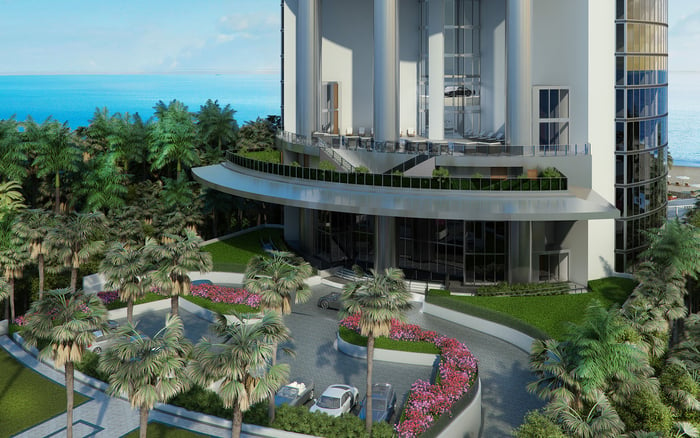
2. Porsche Design Tower: 18555 Collins Avenue, Sunny Isles Beach
This mid-2010s oceanfront tower ranks second because younger major components may give its association more time to accumulate funds for eventual replacement. The decisive question is whether current contributions track component life and projected costs.
3. Jade Signature: 16901 Collins Avenue, Sunny Isles Beach
Late-2010s construction gives Jade Signature a comparatively favorable remaining-useful-life profile. That structural-age advantage matters only if association records show reserve contributions aligned with the current study and adopted budget.
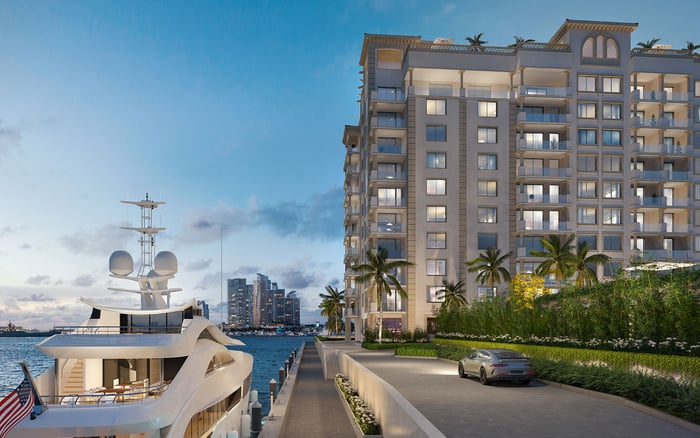
4. Faena House: 3315 Collins Avenue, Mid-Beach, Miami Beach
This early-to-mid-2010s boutique tower may face fewer legacy catch-up needs than older coastal buildings. Its more intimate ownership structure also warrants scrutiny: fewer units can increase each owner’s allocation when a project is not fully funded.
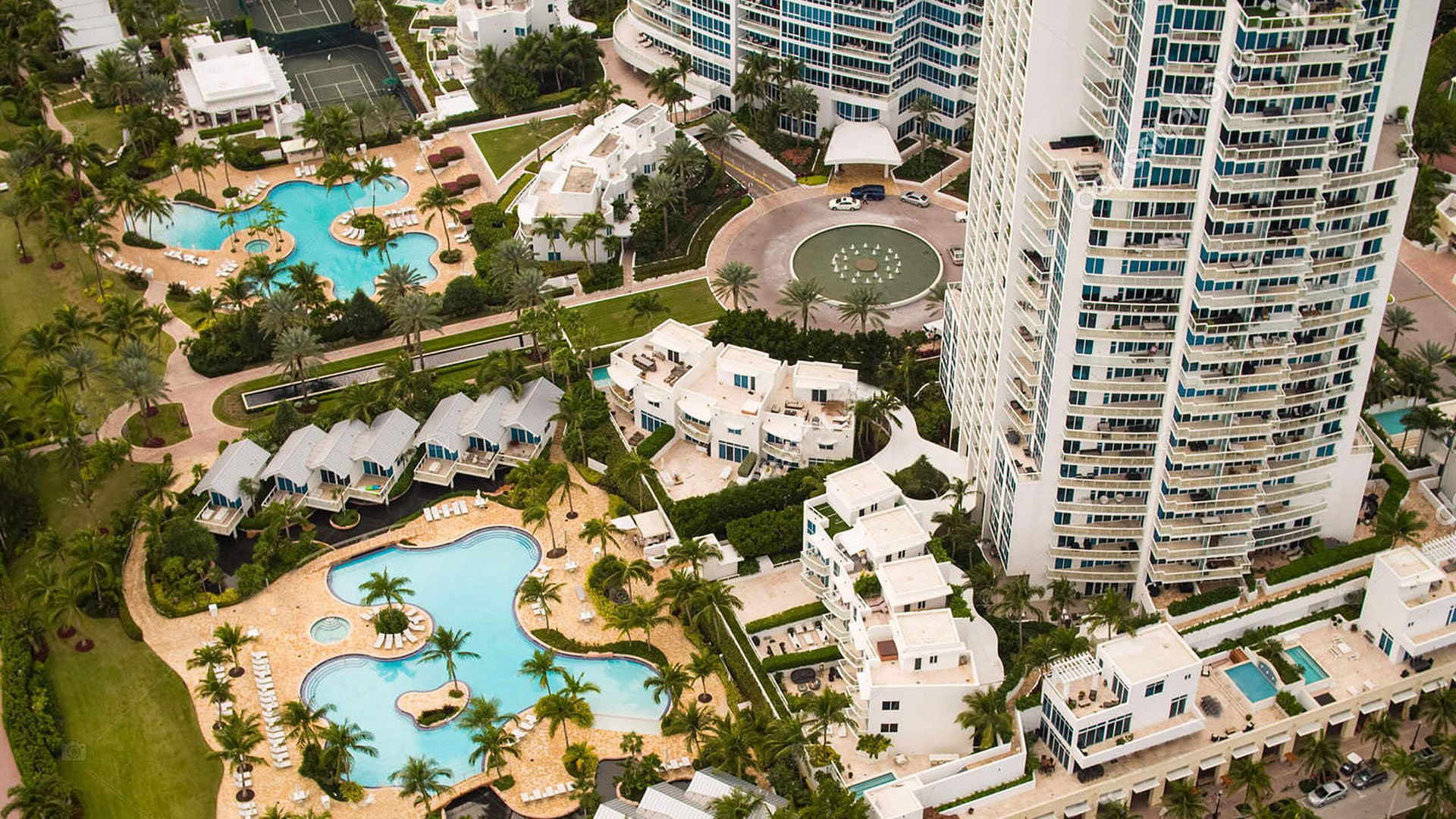
5. Continuum on South Beach: 50 and 100 South Pointe Drive, Miami Beach
Its early-2000s vintage makes documentation especially important. Lower exposure depends on completed inspections, disciplined capital planning, and reserve assets aligned with the current study-not the building’s reputation or unit values.
For buyers focused on Miami Beach, Eighty Seven Park Surfside and Faena House Miami Beach provide useful context for how relative building age can shape the reserve conversation along the coast. In Sunny Isles Beach, Jade Signature Sunny Isles Beach illustrates the appeal of newer systems without diminishing the need for rigorous financial review.
At the southern end of the barrier island, Continuum on South Beach demands an especially close reading of inspection and capital-planning records because of its earlier vintage. Across every oceanfront candidate, location prestige should never be mistaken for evidence of reserve sufficiency.
This is ultimately an investment decision as much as a lifestyle acquisition. The essential distinction is between a beautiful building and a financially prepared association.
Before closing, request the current SIRS, reserve study, adopted budget, reserve funding schedule, recent financial statements, engineering reports, board minutes, and notices of pending assessments. Determine whether planned contributions match identified liabilities and whether completed work has changed the study’s assumptions.
Milestone inspections can reveal deterioration that earlier budgets did not capture, particularly in coastal buildings. Insurance warrants separate attention because uninsured losses and substantial hurricane deductibles can produce assessments even when structural reserves comply with SIRS requirements. Professional management, engineering oversight, and recurring study updates can turn major capital needs into planned contributions rather than emergency demands.
Does paying cash eliminate special-assessment risk? No. A special assessment follows unit ownership, not the buyer’s financing choice.
Why does building age matter? Newer towers generally have less accumulated deterioration, but age alone does not establish reserve adequacy.
What is a SIRS? It evaluates covered structural components, their remaining useful lives, replacement costs, and long-term funding needs.
Can owners still waive covered structural reserves? For covered associations, SIRS-identified reserves generally cannot be waived, reduced, or redirected by annual vote.
Is a large reserve balance sufficient evidence? No. Compare the balance with current projected liabilities, timing, and the association’s funding schedule.
Is 70 percent funding a guarantee? No. It can be a useful reference point, but required contributions and current component needs control the analysis.
Can an association use financing for reserves? Florida law permits regular assessments, special assessments, credit lines, or loans as funding sources.
Why review board minutes? Minutes may reveal contemplated repairs, engineering concerns, financing discussions, or pending assessment decisions.
Can insurance create a separate assessment? Yes. Uninsured losses and large hurricane deductibles can create owner obligations independent of SIRS funding.
Which records matter most before closing? Prioritize the current SIRS, reserve study, budget, funding schedule, financial statements, engineering reports, minutes, and assessment notices.
For a tailored shortlist and next-step guidance, connect with MILLION.
If branded residences are on your mind — as a home or as an allocation — we would be glad to share what we are seeing, privately.
Begin a quiet conversation