At Six Fisher Island, the decisive emergency-power questions concern circuit-level residence coverage, essential common-area loads, fuel endurance, flood protection, and operating plans.

At an ultra-premium condominium, “generator backup” can sound reassuringly comprehensive. In electrical terms, however, it may describe anything from support for required life-safety systems to a carefully selected group of circuits extending into private residences. Those are materially different outcomes during a prolonged outage.
For buyers considering The Residences at Six Fisher Island, the prudent position is straightforward: public project materials do not establish whole-residence backup or identify which private and common-area circuits will be energized. The written generator load schedule and electrical panel documentation-not a general reference to emergency power-will answer that question.
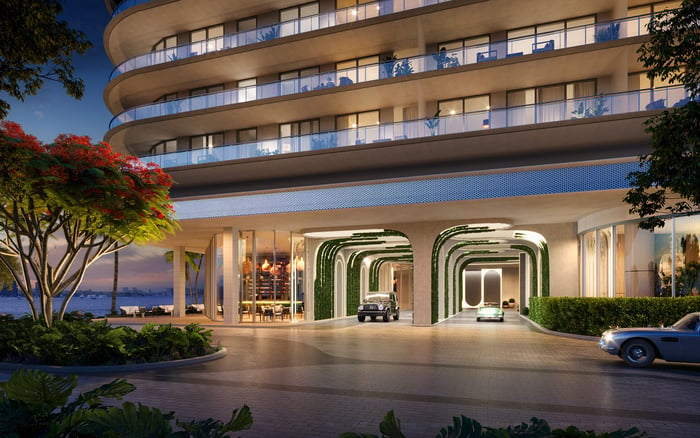
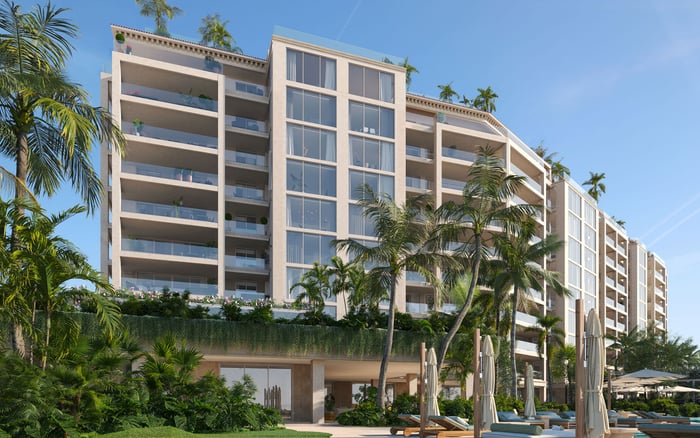
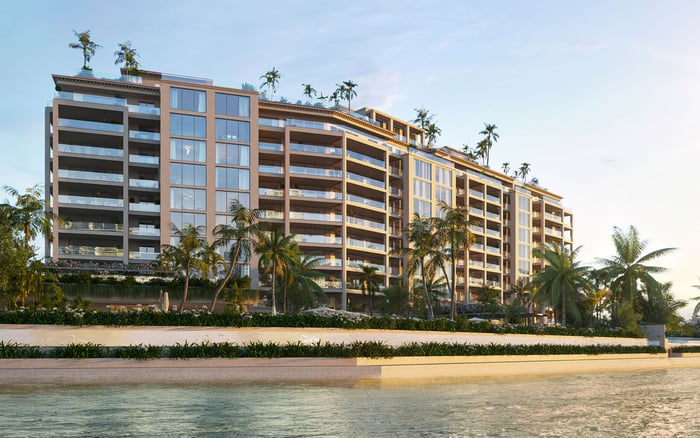
The Residences at Six Fisher Island is a pre-construction condominium planned for 6 Fisher Island Drive in Miami Beach and developed by PRH Parcel 7 Owner, LLC. Plans include residences of approximately 3,872 to 4,980 square feet, with larger configurations also marketed.
The available presentation emphasizes residences, finishes, services, and amenities but does not include a generator load schedule. Refrigerators, receptacles, lighting, data equipment, air handlers, and other in-residence systems therefore remain unconfirmed as emergency loads.
That distinction deserves particular attention in waterfront ownership. A sophisticated building may have a substantial generator while directing its capacity principally to code-required systems and essential operations.
Florida high-rise emergency-power rules prioritize life safety and necessary building functions rather than automatically energizing every private circuit. Code-mandated stationary emergency and standby generators must be listed to UL 2200 and installed under applicable fire, electrical, and emergency-power standards.
Buyers should request a schedule identifying the connected elevators, fire and alarm systems, water pumps, ventilation equipment, access controls, security systems, communications equipment, and common-area lighting. The schedule should distinguish between equipment served continuously and equipment operated sequentially or under load management.
The same discipline applies when evaluating established Fisher Island alternatives such as Palazzo del Sol or Palazzo della Luna. The relevant issue is not merely whether a generator exists, but precisely what it serves when utility power is unavailable.
Private-residence backup should be documented circuit by circuit. A credible description might specify the refrigerator, selected kitchen or bedroom receptacles, limited lighting, a data closet, or partial HVAC. Unless those loads appear in the approved schedule and corresponding unit panel, buyers should not assume they are included.
Partial HVAC also demands precision. Supporting an air handler does not necessarily establish that every component required for cooling will operate. Likewise, an energized outlet is useful only when its location and capacity align with the owner’s intended equipment.
For a second-home owner, priorities may include refrigeration, security communications, leak detection, internet equipment, and sufficient cooling to protect interiors. These preferences should be translated into written circuit requirements before contract and design decisions become difficult to revise.
Capacity alone does not define resilience. Buyers should obtain the fuel type, storage capacity, estimated runtime at the scheduled emergency load, refueling arrangements, testing program, and post-outage operating plan. Runtime should be stated against the actual connected load, not presented as an isolated tank figure.
Miami-Dade flood requirements can also affect the facilities and equipment needed during emergencies. Due diligence should confirm how the generator, automatic transfer switches, electrical rooms, and fuel infrastructure are elevated or otherwise protected under applicable requirements.
Fisher Island introduces another governance consideration. FICA rules require express written board approval at a duly noticed meeting before a condominium or homeowners’ association installs a generator, fuel tank, or other electrical device. Supplemental generation cannot simply be added later as an informal association upgrade.
The decisive package should include the final generator load schedule, engineering drawings, automatic-transfer-switch information, unit panel schedules, offering documents, fuel plan, testing protocol, and emergency operations plan. Any promise made during sales discussions should be reconciled with those documents.
Buyers comparing the condominium with The Links Estates at Fisher Island should also recognize the practical distinction between association-controlled infrastructure and individually controlled systems. In a condominium, owner-added whole-unit generation is difficult: permanent installations require permitting, while connecting a portable generator to building circuits requires appropriate transfer equipment and approvals.
The disciplined working assumption is limited but useful: required life-safety and essential building loads are likely to receive priority, while private comfort and convenience loads remain unconfirmed until documented. For an acquisition of this caliber, that is not a minor technicality. It is part of the residence’s operating specification.
Does Six Fisher Island promise whole-residence generator power? Public materials do not establish whole-residence coverage.
Will the refrigerator remain powered? Refrigerator backup is unconfirmed and should appear on the unit circuit schedule.
Are private-residence outlets included? No specific receptacles are publicly identified as generator-backed loads.
Will the residence have emergency air conditioning? Partial or full HVAC support is not publicly established and requires component-level confirmation.
Which common systems should buyers examine? Review elevators, alarms, pumps, ventilation, access, security, communications, and lighting.
Why is the generator load schedule important? It identifies the equipment and circuits connected when normal utility service fails.
What fuel information should be requested? Ask for fuel type, storage, scheduled-load runtime, refueling arrangements, and operating procedures.
Does flood protection matter for emergency power? Yes. Generator, transfer, electrical, and fuel equipment should comply with applicable flood requirements.
Can the association add another generator later? Not casually. FICA requires express written board approval at a duly noticed meeting.
Can an owner connect a portable generator to the unit? Connections to building circuits require proper permitting and transfer equipment, making this difficult in a condominium.
If you'd like a private walkthrough and a curated shortlist, connect with MILLION.
If branded residences are on your mind — as a home or as an allocation — we would be glad to share what we are seeing, privately.
Begin a quiet conversation