A discreet editorial guide to five residence types that prioritize calm interiors, subtle wellness, privacy, light, acoustics, and restorative daily rituals across South Florida.
For the most discerning South Florida buyer, wellness is no longer measured by the scale of a gym or the number of branded treatment rooms. The more sophisticated measure is quieter: how a residence receives morning light, how it buffers sound, how it protects privacy, and whether its rooms allow the body to downshift without ceremony.
Invisible wellness is the art of restoration without announcement. It is felt in acoustic softness, filtered daylight, intuitive circulation, storage that reduces visual noise, and materials that age with grace rather than demand attention. It is also deeply personal. A buyer in Brickell may need calm above urban energy, while an Aventura buyer may prioritize ease, parking, and proximity to family routines. In a Miami Beach context, the ideal residence may be less about theatrical oceanfront glamour and more about shade, privacy, and a measured transition from sand to sanctuary.
The following ranking is not about spectacle. It is a buyer-oriented lens for identifying residences that feel composed before they feel impressive.
1. The Silent Waterfront Residence - horizon, privacy, and acoustic control
The most restorative waterfront residence is not simply the one with the widest view. It is the one where the view becomes a stabilizing element, framed cleanly and protected from visual clutter. The goal is a horizon that can be lived with daily, not a postcard that overwhelms the room.
Buyers should look for layouts that place primary living areas along the water while preserving quiet bedroom zones. Deep glazing, well-planned window treatments, soft flooring transitions, and discreet mechanical systems matter as much as the exposure itself. The best version allows water, sky, and silence to do most of the work.
2. The Garden-Buffered Low-Rise Residence - greenery before glass
A low-rise residence with a meaningful garden buffer can offer a rare kind of calm: the feeling of being protected before one even reaches the front door. This profile suits buyers who want wellness to begin at arrival, through landscaping, scent, shade, and a slower approach sequence.
Inside, calm depends on proportion. Ceilings should feel generous without becoming cavernous, and rooms should connect logically rather than theatrically. Natural materials, muted palettes, concealed storage, and limited visual interruption help the residence feel collected. The luxury is not excess space; it is space that understands restraint.
3. The Skyline Retreat Residence - vertical privacy with edited views
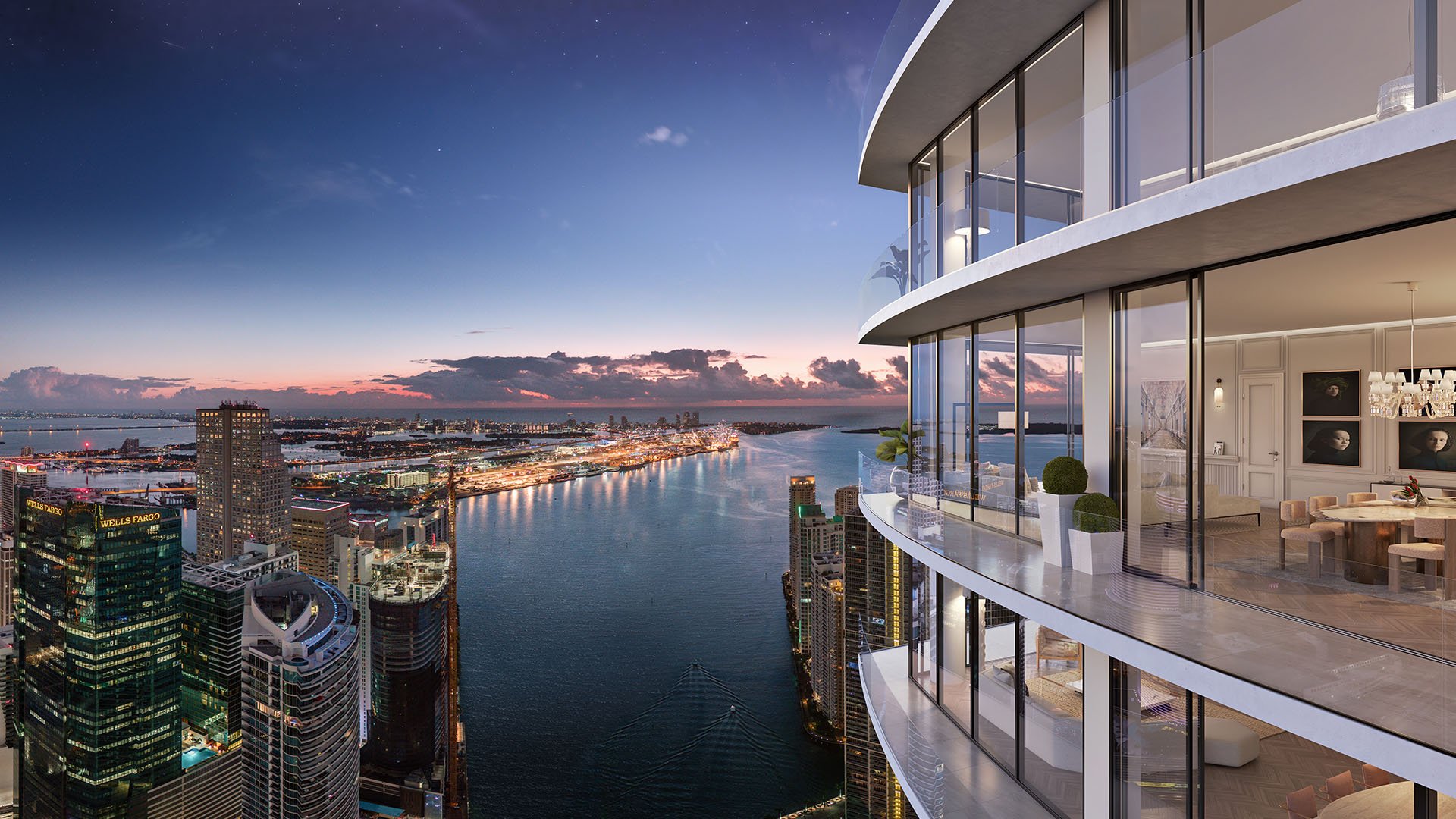
For buyers who need the convenience of an urban address but refuse the agitation of urban living, the skyline retreat is a compelling category. Its power lies in separation: height, controlled access, quiet elevators, and interiors that absorb the city rather than replicate it.
A successful skyline residence edits the view. It avoids visual chaos through soft interior lines, warm finishes, and lighting that evolves throughout the evening. In a dense setting, calm is achieved through disciplined planning: a proper entry pause, bedrooms away from entertainment areas, and service spaces that support daily life without intruding on it.
4. The Spa-Integrated Residence - recovery without spectacle
The spa-integrated residence is often misunderstood. Its value is not in replicating a resort, but in making recovery ordinary. A pool should be easy to reach, not performative. A steam shower, soaking tub, stretching room, or quiet treatment space only matters if it becomes part of a realistic weekly rhythm.
This profile is ideal for buyers who travel often, train seriously, or want the home to act as a counterweight to intense professional demands. The interiors should avoid clinical cues. Stone, wood, textured plaster, warm light, and strong ventilation can create a private recovery environment that feels residential rather than institutional.
5. The Indoor-Outdoor Ritual Residence - terrace, balcony, and shade
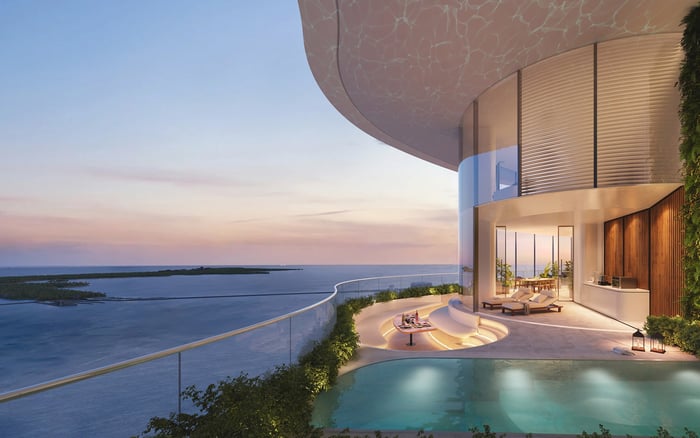
In South Florida, the most effective wellness feature may be a well-used outdoor room. A terrace can become a breakfast ritual, a quiet reading space, or a protected evening lounge. A balcony, when properly scaled and shaded, can offer the same psychological release as a larger amenity deck.
The key is usability. Outdoor space should connect naturally to the kitchen, living room, or primary suite, and it should be sheltered enough to support daily life. Buyers should study sun exposure, wind, privacy from neighboring buildings, and whether the outdoor area feels like a room rather than an appendage.
A calm residence is rarely defined by a single grand feature. It is the accumulation of small decisions that reduce friction. The entry should allow a moment of transition. The kitchen should support both beauty and routine. The primary suite should feel removed from entertaining zones. Closets, laundry, pantry space, and service circulation should prevent daily life from spilling into formal rooms.
Lighting is especially important. South Florida brightness can be glorious, but unmanaged glare creates fatigue. The best interiors use layered light: daylight softened by treatments, indirect evening illumination, and task lighting that does not flatten texture. Calm is not darkness; it is control.
Material selection also matters. Highly reflective surfaces may photograph well, but they can make a residence feel louder than intended. Honed stone, pale woods, linen textures, plaster, bronze accents, and quiet millwork can create depth without visual agitation. The objective is a home that welcomes repetition: the same morning coffee, the same post-flight shower, the same evening pause, all made better by design.
A serious buyer should tour differently when invisible wellness is the priority. Arrive at more than one time of day if possible. Notice elevator noise, corridor privacy, light levels, air movement, and the path from parking to residence. Stand in the primary bedroom in silence. Sit in the living room without conversation. Open and close doors. Listen for mechanical hum. Study whether neighboring windows compromise privacy.
Do not be distracted by staged serenity. A neutral palette is not the same as a calm home. True calm is structural, spatial, and operational. It remains after the flowers are removed and the music is turned off.
The strongest residences allow owners to live with less negotiation. They reduce decisions, soften transitions, and make wellness feel like part of the architecture rather than an amenity menu.
What does invisible wellness mean in a luxury residence? It means wellness features embedded into daily life through light, silence, air, privacy, proportion, and intuitive circulation rather than obvious display.
Is a waterfront home always the calmest choice? Not always. A waterfront residence can be deeply calming, but only if privacy, sound control, glare management, and interior planning are equally strong.
Why are calm interiors important for South Florida buyers? The region’s brightness, social pace, and indoor-outdoor lifestyle make restorative interiors especially valuable for owners who want a private counterbalance.
Should buyers prioritize amenities or the residence itself? Amenities matter, but the residence itself should deliver calm every day through layout, acoustics, lighting, storage, and material restraint.
What is the most overlooked wellness feature? Acoustic comfort is often overlooked. A beautiful residence can still feel stressful if mechanical systems, corridors, elevators, or exterior noise intrude.
How should outdoor space be evaluated? Buyers should consider shade, privacy, wind, furniture depth, access from interior rooms, and whether the space supports actual daily rituals.
Can an urban residence feel calm? Yes. Height, privacy, controlled access, thoughtful glazing, and warm interior materials can create a serene home even in a dense district.
Are minimalist interiors always calming? No. Minimalism can feel cold if proportion, texture, lighting, and comfort are not carefully handled.
What should be tested during a private showing? Test silence, daylight, glare, circulation, door operation, bedroom privacy, storage logic, and the transition from arrival to living areas.
What defines the best residence for wellness-minded buyers? The best residence is one that reduces friction, supports routine, protects privacy, and feels restorative without needing to announce why.
For a tailored shortlist and next-step guidance, connect with MILLION.
If branded residences are on your mind — as a home or as an allocation — we would be glad to share what we are seeing, privately.
Begin a quiet conversation