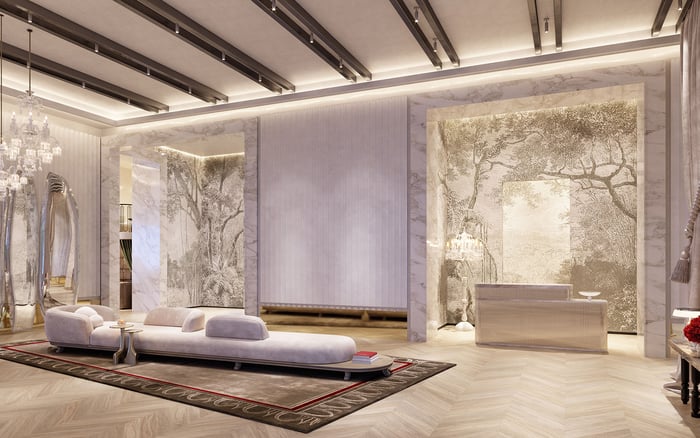
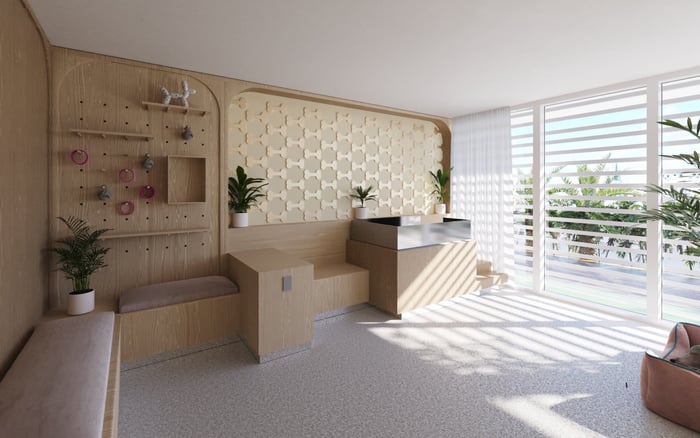
A refined look at the private dining amenities that matter most in South Florida condominiums, with emphasis on residential atmosphere, service discretion, and buyer due diligence.
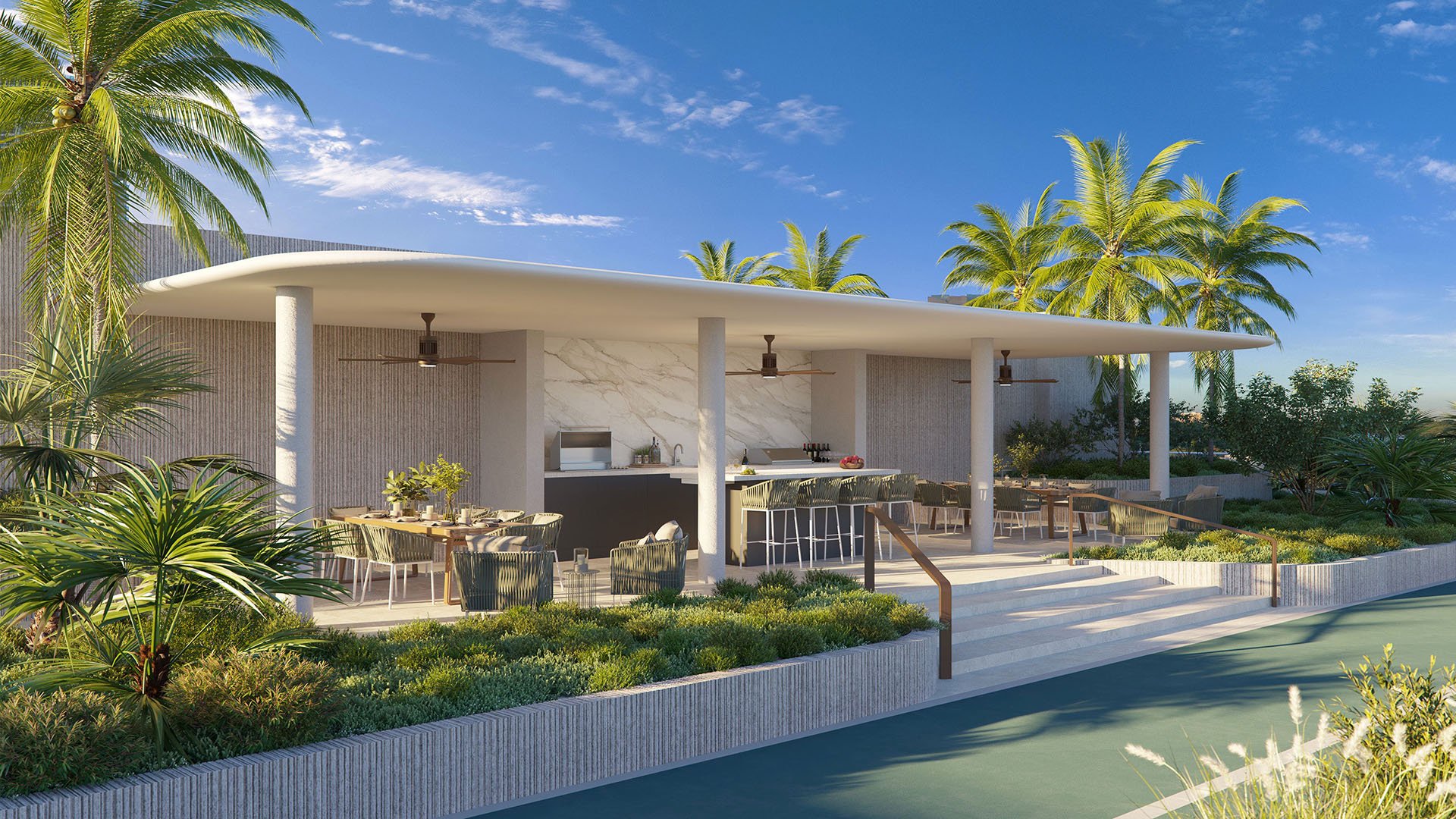
In South Florida luxury condominiums, private dining has moved well beyond the old party room. The strongest amenity is no longer the largest room with the loudest bar, but the one that lets an owner host dinner with the ease of home and the polish of a private residence staffed for the evening. That distinction matters for buyers who entertain with intention: family birthdays, collector dinners, visiting clients, holiday meals, or a chef-led evening that should feel personal rather than public.
A dining amenity that feels like a club announces itself. It has too much volume, too much shine, too much exposure, and too many competing uses. A dining amenity that supports private life is quieter. It manages arrival, food preparation, table service, lighting, storage, acoustics, and departure without making guests feel processed. It is not about spectacle. It is about control.
That distinction is especially relevant across Brickell, Miami Beach, Sunny Isles, Fisher Island, and other high-end residential settings, where buyers often compare new-construction lifestyle promises as carefully as floor plans. The same scrutiny should apply to every terrace, salon, dining suite, and catering kitchen presented as part of the ownership experience.
1. A true private dining room - residential scale
The strongest private dining room is not an event hall in miniature. It should have a residential sense of proportion, with enough space for a proper table, side service, and circulation, but not so much that a dinner for ten feels stranded. Buyers should look for warm materials, controlled lighting, comfortable acoustics, and a layout that keeps conversation centered at the table.
The key identifier is privacy without isolation. The room should feel removed from main amenity traffic, yet not buried behind service corridors that make the evening feel operational. A refined dining room gives the host command of the experience for a few hours.
2. A back-of-house catering kitchen - invisible service
A beautiful dining room without a serious support kitchen quickly becomes decorative. The catering kitchen determines whether dinner can unfold with grace. It should provide room for plating, warming, staging, refrigeration, cleanup, and staff coordination without allowing trays, carts, or operational conversation to intrude on the guest experience.
The best version is not theatrical. It keeps service invisible. Owners should ask how outside chefs are accommodated, where staff enter, how deliveries are handled, and whether cleanup can occur without requiring guests to pass through the practical side of the evening.
3. A bookable chef’s table suite - restaurant craft without restaurant mood
A chef’s table suite can be excellent when it is designed as a residential extension, not as a branded dining concept trying to recreate nightlife. The appeal is craft: a place where a chef can prepare a tailored meal, interact with guests when appropriate, and still allow the host to set the tone.
The critical issue is control. If the room feels too exposed, too programmed, or too tied to communal traffic, it can drift toward club energy. The more successful version lets the host decide whether the chef is part of the theater or simply part of the service.
4. A dining terrace with weather judgment - open air, not exposed
Outdoor dining is central to the South Florida imagination, but a terrace only works for private dining when it has discipline. Shade, breeze, rain protection, lighting, furnishings, and neighboring sightlines all matter. A beautiful open-air setting can become unusable if it is too windy, too bright, too public, or too difficult to service.
The right terrace feels like a private outdoor room. It should hold a table comfortably, allow staff to move with ease, and provide enough enclosure that guests are not performing for the rest of the building.
5. A small lounge ante-room - arrival before the table
The overlooked amenity is often the most telling: a lounge or vestibule that lets guests arrive, have a drink, place a bag, and transition into dinner. Without this space, private dining can feel abrupt. Guests move directly from elevator to table, giving the evening a banquet-room rhythm.
An ante-room restores ceremony. It gives the host a place to receive people, manage timing, and separate the beginning of the evening from the meal itself. In luxury residential life, that pause is not ornamental. It is part of the privacy.
The difference is often less about square footage than behavior. A club-like amenity depends on visibility, programming, and energy. A residential dining amenity depends on discretion, sequence, and control. One asks to be seen. The other lets a host disappear into the ease of a well-made evening.
Buyers should study the path from residence to amenity. Is arrival shared with gym traffic, pool guests, or a lobby bar environment? Can a family dinner remain quiet if another amenity is active nearby? Are restrooms close enough for comfort but not so close that the room feels public? Is the lighting adjustable, or is it fixed for photographs rather than dinner?
Acoustics deserve particular attention. Hard surfaces, high ceilings, and reflective glazing may photograph well, yet make conversation tiring. A room intended for private dining should allow a guest at one end of the table to hear the guest at the other without raised voices. That is not a luxury flourish. It is the foundation of hospitality.
A buyer should treat private dining like a functional room, not a brochure image. Ask how far in advance the room can be reserved, how many events may occur at once, whether outside staff are permitted, whether building personnel assist with setup, and what restrictions apply to music, flowers, candles, alcohol, and cleanup.
The most important question is whether the amenity supports the kind of entertaining the owner actually does. A couple who hosts intimate dinners needs a different room than a family gathering twenty relatives for holidays. A collector may care about lighting and wall space. A frequent traveler may value turnkey service and simple booking rules.
Also consider adjacency. A private dining room beside a busy pool deck may work for lunch and fail at dinner. A terrace with commanding views may be less appealing if it exposes the table to neighboring residences. A catering kitchen may look sufficient until one asks where staff park, where deliveries arrive, and how food reaches the room.
Private dining amenities are most successful when they behave like part of a residence rather than part of a hospitality venue. They should extend the owner’s private life, not replace it with a shared social program. In South Florida, where indoor and outdoor living often meet in a single evening, that balance requires more than a beautiful table.
The strongest buildings give owners a sequence: discreet arrival, relaxed pre-dinner space, a well-scaled dining room, serious back-of-house support, and an outdoor option that feels composed rather than exposed. When those pieces work together, private dining becomes one of the rare amenities that can genuinely improve daily ownership.
What makes a condo dining room feel private instead of club-like? Scale, acoustics, lighting, and separation from busy amenity traffic are the main signals. The room should feel controlled by the host, not by the building’s social energy.
Is a catering kitchen more important than the dining room design? It can be equally important because it determines how smoothly service works. A beautiful room loses value if food staging and cleanup interrupt guests.
Should buyers prioritize indoor or outdoor private dining? The best choice depends on how the owner entertains. In South Florida, the strongest setup often provides both an indoor room and a carefully protected outdoor option.
What should I ask about booking rules? Ask how far ahead reservations are allowed, whether fees apply, and whether multiple private events can occur at the same time. Rules shape the real usability of the amenity.
Can a chef’s table feel too much like a restaurant? Yes, if it is overly theatrical, exposed, or programmed for spectacle. The better version keeps restaurant-level craft while preserving residential discretion.
Why does an ante-room matter for private dining? It gives guests a graceful arrival point before dinner begins. That small pause can make the entire evening feel more personal and less transactional.
Are terraces always good for entertaining? Not automatically. Wind, shade, privacy, lighting, and service access determine whether a terrace is genuinely useful for dining.
How can I judge acoustics during a tour? Listen for echo, mechanical noise, and sound from adjacent amenities. A dining room should support conversation without raised voices.
Does a larger private dining room mean a better amenity? Not necessarily. A room that is too large can feel institutional unless it has the right proportions, furnishings, and lighting control.
What is the most overlooked private dining feature? Service circulation is often overlooked. If staff, deliveries, and cleanup are well hidden, the host experience feels far more refined.
For a confidential assessment and a building-by-building shortlist, connect with MILLION.
If branded residences are on your mind — as a home or as an allocation — we would be glad to share what we are seeing, privately.
Begin a quiet conversation