A discreet guide to the Miami residence profiles best suited to buyers who prioritize private wellness amenities, quiet access, recovery space, and daily ritual.
For a certain Miami buyer, the most valuable amenity is no longer the largest one. It is the amenity that feels private, predictable, and reserved for the people who actually live in the building. Owner-only wellness has become a quiet marker of residential quality because it protects time as carefully as it serves the body.
The appeal is straightforward. A private fitness room, recovery lounge, spa suite, or calm pool environment changes daily life only when it can be used without friction. The most compelling residences are not simply those with more features. They are the ones where wellness is woven into the rhythm of coming home.
For a private brief, buyers may use terms such as Brickell, Oceanfront, Pool, Lap-pool, and New-construction as starting points. The real test is more personal: whether the building supports privacy, routine, and restoration without making home feel like a public club.
1. The private-club residence - controlled access
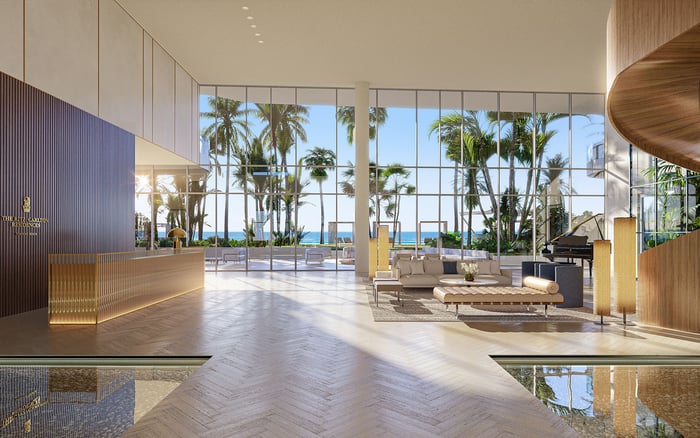
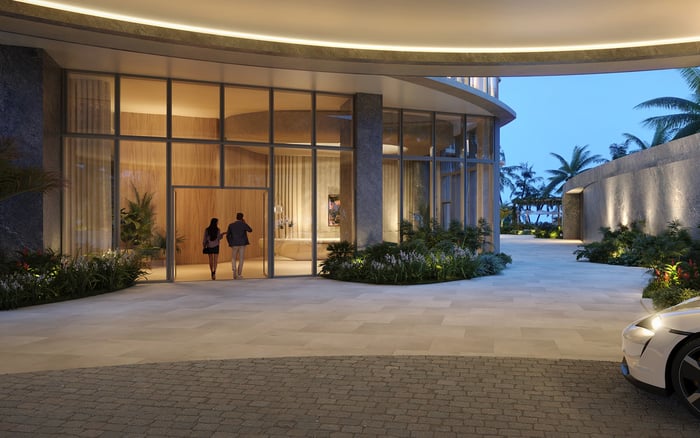
This is the strongest fit for buyers who want wellness to feel protected. The defining feature is not spectacle, but separation: resident-only spaces, discreet arrival, and a wellness environment that does not rely on outside membership or public programming.
In this profile, the ideal amenity sequence is simple and composed. A resident can train, recover, shower, and return home without crossing into a hotel-style crowd or event atmosphere. For buyers who prize discretion, that controlled experience is the amenity.
2. The ocean-conditioned residence - restorative setting
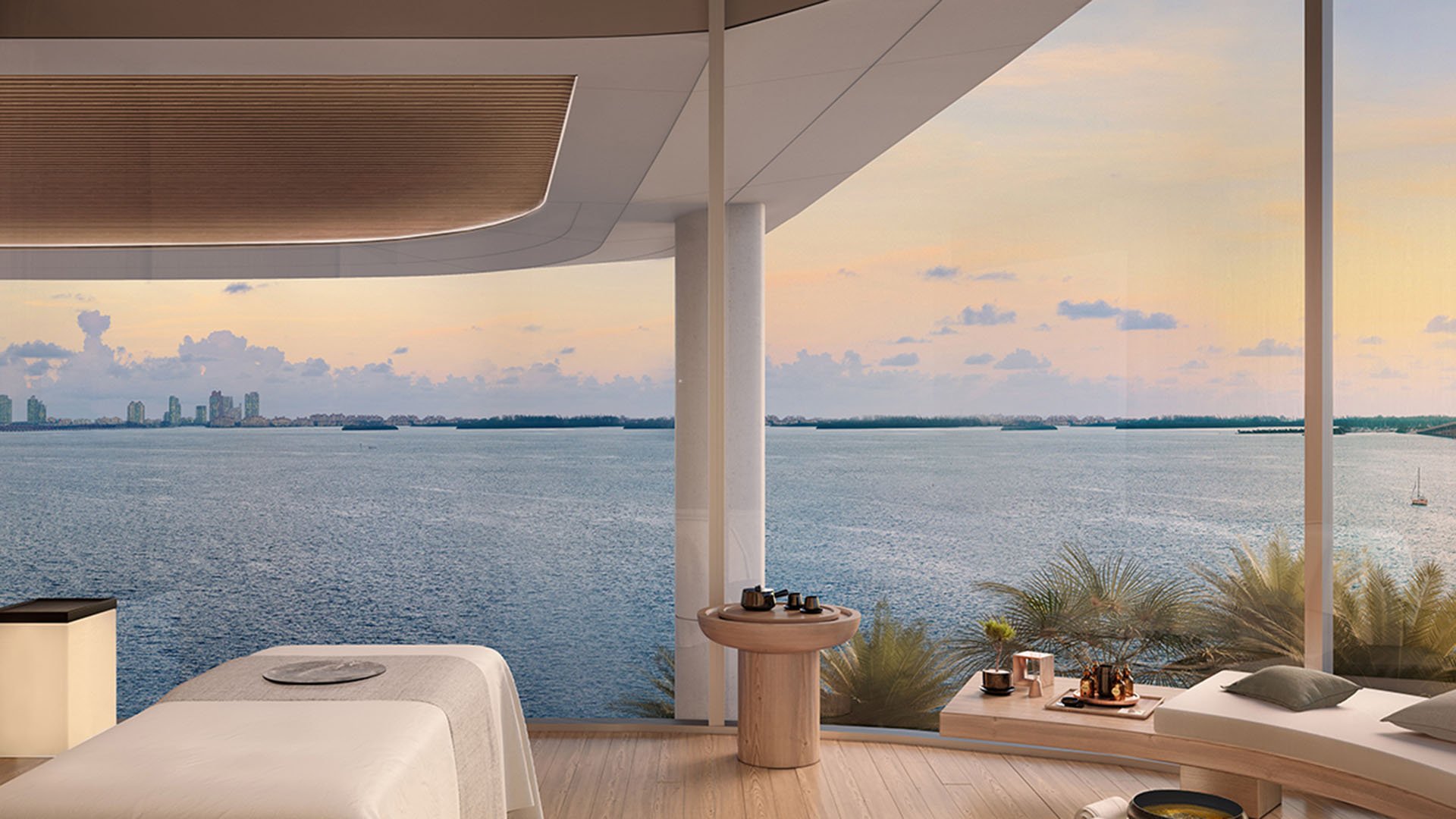
Some buyers understand wellness through air, light, and water rather than equipment alone. For them, the best Miami residence is one where the setting itself supports recovery, with outdoor movement, quiet water views, and a daily sense of decompression.
This profile suits owners who want wellness to begin before the treatment room. Morning walks, post-travel reset, and time outdoors matter as much as formal spa spaces. The residence should make healthy routines feel natural rather than scheduled.
3. The vertical retreat residence - privacy above the city
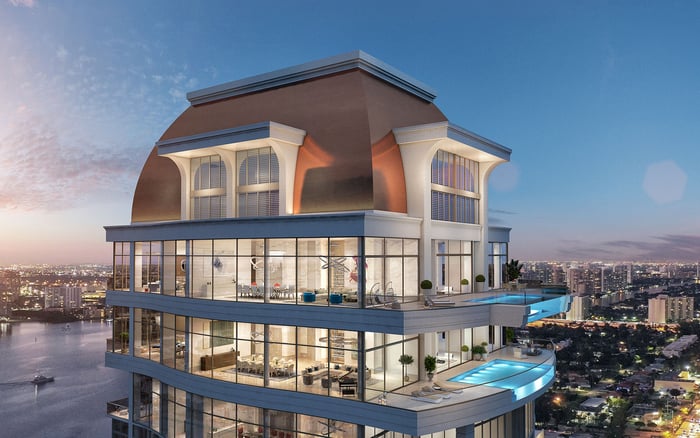
The vertical retreat appeals to buyers who want an urban address without surrendering calm. It is especially relevant for residents who value proximity to dining, offices, and cultural life, yet want wellness spaces insulated from the intensity below.
Here, the strongest residences create an elevated sanctuary. Fitness, spa, pool, and lounge areas should feel removed from lobby traffic and social overflow. The experience is less about escaping Miami and more about rising above its pace.
4. The boutique wellness residence - fewer users, quieter rituals
A smaller residential environment can be highly persuasive when wellness is the priority. With fewer owners sharing amenity spaces, the experience can feel calmer, more personal, and easier to fold into daily life.
This profile is ideal for buyers who dislike the uncertainty of crowded facilities. The desired feeling is residential intimacy: a familiar route to the gym, a quiet place to stretch, and amenities that feel maintained for owners rather than displayed for visitors.
5. The lock-and-leave wellness residence - consistency for seasonal living
For the second-home buyer, wellness is often about continuity. The right residence makes it possible to arrive in Miami and immediately return to a familiar health routine, without coordinating multiple outside appointments or memberships.
This profile prioritizes ease. A buyer may value a straightforward fitness offering, a serene pool deck, and reliable building service more than an elaborate menu of treatments. The point is not excess. It is consistency from the first morning back in residence.
Owner-only wellness should feel calm before it feels impressive. The best spaces have intuitive circulation, polished maintenance, and enough privacy that owners actually use them. A beautiful room loses value if it is too exposed, too busy, or too dependent on reservation culture.
Buyers should also distinguish between amenities that photograph well and amenities that improve the week. A dramatic pool deck may be memorable, but the more meaningful question is whether it supports quiet laps, recovery, and unhurried time in the sun. A spa suite may be elegant, but it matters most when access feels seamless.
Privacy is not only visual. It is acoustic, operational, and social. Elevators, locker areas, treatment rooms, and lounge spaces should all reinforce the feeling that wellness belongs to residents first.
Begin with lifestyle rather than inventory. A year-round resident may care most about daily training and a dependable Lap-pool. A seasonal owner may want services that make wellness effortless after travel. A buyer moving from a private home may be especially sensitive to density and shared use.
Location also shapes the decision. An urban buyer may accept a more vertical lifestyle if the building delivers calm within the tower. A waterfront buyer may prioritize light, air, and outdoor movement. A boutique buyer may choose fewer amenities if the spaces feel more exclusive.
The best answer is rarely the building with the longest amenity list. It is the residence where wellness becomes an unforced habit, where the owner can move from private home to private restoration with minimal interruption.
What does owner-only wellness mean in a Miami residence? It refers to wellness amenities intended for residents rather than a broad public audience. The key value is privacy, predictability, and ease of daily use.
Are owner-only amenities more important than the number of amenities? For many luxury buyers, yes. A smaller set of private, well-managed spaces can be more valuable than a larger collection that feels crowded or performative.
What wellness spaces should buyers prioritize? Fitness, pool, recovery, spa, and quiet lounge areas are often the core considerations. The best mix depends on how the owner actually lives.
Is a Pool enough to define a wellness residence? Not on its own. A pool becomes meaningful when it is private, well maintained, and integrated into a broader daily wellness routine.
Why does access control matter? Access control protects the resident experience. It helps ensure that wellness spaces feel calm and available rather than shared with unpredictable outside traffic.
Are boutique residences better for wellness? They can be, particularly for buyers who value lower density and quieter amenity use. The tradeoff is that larger buildings may offer a broader range of spaces.
Does location matter for owner-only wellness? Yes. Waterfront, urban, and boutique settings each create a different rhythm, from outdoor recovery to convenient daily training.
Should seasonal buyers evaluate wellness differently? Seasonal buyers should focus on consistency and ease of arrival. The strongest residence lets them resume a healthy routine immediately.
How should buyers compare two wellness-focused buildings? They should look beyond the amenity list and consider privacy, circulation, maintenance, and how often the spaces will realistically be used.
What is the best residence for a wellness-first buyer? The best fit is the one that makes health feel effortless, private, and repeatable. Personal rhythm should guide the decision more than amenity count.
To compare the best-fit options with clarity, connect with MILLION.
If branded residences are on your mind — as a home or as an allocation — we would be glad to share what we are seeing, privately.
Begin a quiet conversation