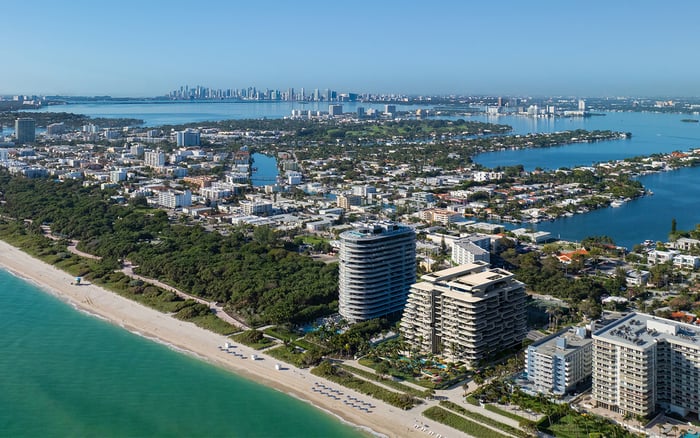
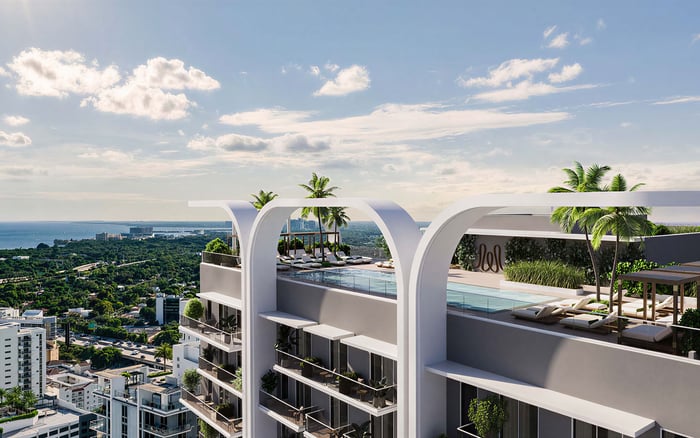
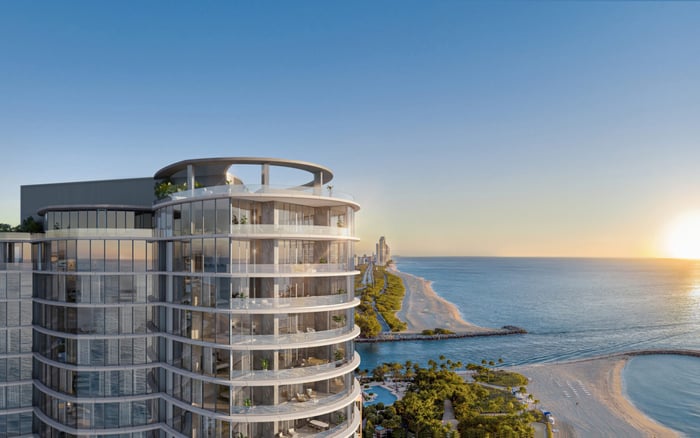
A practical luxury-buyer guide to choosing between Brickell and Bal Harbour through the lens of household logistics, daily routines, privacy, school flow, staff access, beach life, and long-term livability.
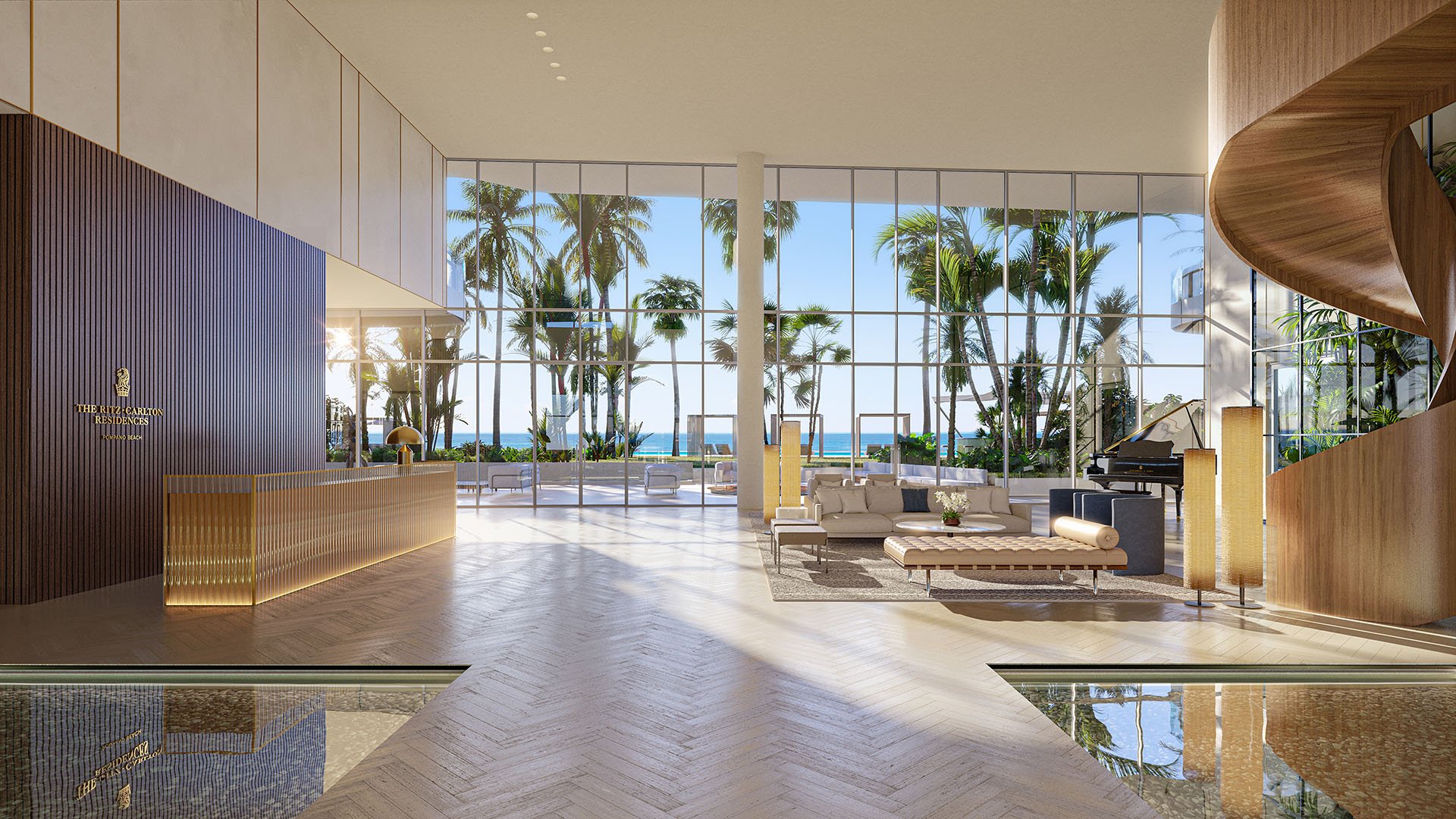
For sophisticated buyers, the Brickell-versus-Bal Harbour decision is rarely about prestige alone. Both can satisfy a luxury brief, but they ask a household to function in very different ways. Brickell is vertical, civic, connected, and highly serviced. Bal Harbour is quieter, coastal, privacy-oriented, and shaped by a more residential pace. The stronger choice is not the address with the brighter brand aura. It is the one that makes school runs, staff access, deliveries, wellness appointments, guest arrivals, parking, and weekend rituals feel almost invisible.
Strong household logistics begin with one practical question: where does the home remove friction? A pied-à-terre may prioritize immediate dining and work access. A primary residence with children, extended family, security teams, pets, and household staff requires a fuller operating plan. Your acquisition brief may include labels such as private-school proximity, beach access, new construction, and oceanfront exposure, but those terms only matter when they translate into daily movement.
In Brickell, the appeal is density used well. In Bal Harbour, the appeal is controlled calm. Both can be excellent. They simply serve different operating styles.
Brickell is compelling for buyers whose lives are organized around meetings, restaurants, wellness routines, cultural appointments, and frequent short trips across Miami’s urban core. It suits households that value services close at hand and do not want every errand to require a drive. The neighborhood’s luxury proposition is not only skyline drama. It is the ability to compress the day.
For a buyer considering St. Regis® Residences Brickell, the question is not simply whether the building feels refined. It is whether the location supports the rhythm of the household. Can a spouse get to appointments without disrupting a driver? Can guests arrive without confusion? Can weekday dining feel spontaneous rather than scheduled? Can staff manage access, packages, wardrobe, pets, and vendors with clarity?
Brickell also works well for households with adult children, visiting relatives, or executives who need autonomy. In the right residence, each person can move through the day without constant coordination. A building such as The Residences at 1428 Brickell belongs in the comparison set when the buyer wants a city address that can still feel composed, private, and residential.
The tradeoff is energy. Brickell is active by nature. Buyers who require profound quiet, immediate beach rituals, or a more resortlike weekend cadence may find the district more efficient than restorative. That is not a flaw. It is a lifestyle signal.
Bal Harbour suits buyers who want the home to feel removed from the tempo of the city without feeling disconnected from Miami’s luxury circuit. Its strength lies in how it supports privacy, coastal routines, and a slower sense of arrival. If the household’s emotional center is morning light, beach time, long lunches, visiting family, and calm evenings, Bal Harbour can be the more natural choice.
For buyers evaluating Rivage Bal Harbour, the practical questions differ from Brickell’s. How often will you want to walk directly into a coastal setting? How important is a quieter approach home? Does the household value fewer transitions between residence, outdoor space, and the water? Does the property allow guests to feel hosted without turning the home into a revolving door?
Bal Harbour can also be persuasive for families who want a refined base while keeping city commitments selective. Oceana Bal Harbour may enter the conversation when the buyer is weighing oceanfront living against the convenience of a denser urban address. The key is honesty about which routine happens most often. If the beach is an occasional pleasure, Brickell may still win. If the beach is part of the household’s identity, Bal Harbour becomes harder to replace.
The tradeoff is orchestration. Some errands, meetings, or school movements may require more planning. Buyers who choose Bal Harbour usually accept that exchange because the residence gives back privacy and calm.
Before comparing floor plans, run the household as if it were already living there. Start with weekday mornings. Who leaves first? Who needs a driver? Who parks independently? Which children, tutors, coaches, caregivers, or assistants move through the residence? If private-school considerations are central, the relevant question is not only distance. It is how predictable the route feels at the times your household actually travels.
Then study the building’s operational character. Luxury is not only finishes. It is whether service elevators, package protocols, valet behavior, pet movement, guest registration, and vendor access feel intuitive. In a high-functioning household, the best residence lets people appear and disappear gracefully.
Finally, test weekends. Brickell may make it easier to host friends before dinner, attend appointments, and move through the city without formality. Bal Harbour may make it easier to remain at home, receive guests slowly, and treat the day as a resort sequence. Neither is universally superior. Each rewards a different kind of discipline.
The most elegant decision is often the least sentimental one. Choose Brickell if your household values compression: less time between work, dining, wellness, and social commitments. Choose Bal Harbour if your household values decompression: more space between the public world and private life.
For some buyers, the answer is not binary. A primary residence in one area and a secondary foothold elsewhere can solve competing needs. For others, a nearby alternative such as The Well Bay Harbor Islands may enter the conversation when the buyer wants a quieter residential context near the beach, without making the same statement as Bal Harbour itself.
The strongest acquisition brief should read like a household operating manual. It should define arrival sequence, staff requirements, school rhythm, wellness preferences, guest frequency, pet needs, privacy expectations, parking tolerance, and the level of urban energy the household can enjoy before it becomes noise.
In South Florida’s prime market, the right residence is not merely the one that photographs well. It is the one that protects time. Brickell protects time by proximity. Bal Harbour protects time by calm. The better address is the one that protects the kind of time your household values most.
Is Brickell better for buyers who work in Miami’s urban core? Often, yes. Brickell is best suited to buyers who want meetings, dining, wellness, and city movement to feel closely connected.
Is Bal Harbour better for buyers who prioritize privacy? It can be. Bal Harbour generally appeals to households seeking quieter coastal rhythms and a more residential sense of arrival.
Should school logistics drive the decision? If children are part of the household, yes. Evaluate the real morning and afternoon route, not just the address on a map.
Is beach access enough reason to choose Bal Harbour? Only if beach life is part of the daily or weekly rhythm. If it is occasional, urban convenience may matter more.
Does Brickell feel too active for a primary residence? For some buyers, yes. Others value the energy because it reduces the need for constant driving and scheduling.
Can Bal Harbour work for frequent travelers? Yes, if the household accepts more planning around city appointments. The benefit is a calmer return home.
Are new-construction residences better for logistics? They may be, particularly when building operations, access, parking, and service flow are central to the household brief.
Should staff access be reviewed before making an offer? Absolutely. Service circulation, vendor rules, package handling, and guest protocols can shape daily satisfaction.
Can a second-home buyer use different criteria? Yes. A second home may prioritize emotional arrival, views, and leisure over school routes or weekday efficiency.
What is the best way to shortlist comparable options for touring? Start with location fit, delivery status, and daily lifestyle priorities, then compare stacks and elevations to validate views and privacy.
To compare the best-fit options with clarity, connect with MILLION.
If branded residences are on your mind — as a home or as an allocation — we would be glad to share what we are seeing, privately.
Begin a quiet conversation